x































作品のオリジナル比率に合わせた、当店の規定サイズからお選びください。

特定のフレームやスペースに合わせて、ご自身でサイズを指定することも可能です。選択されたサイズが元の画像の比率と一致しない場合、作品をトリミングするか、鏡面反射または単色での塗りつぶしによって画像を拡張いたします。制作を開始する前に、ご確認用のデジタルモックアップをお送りいたします。
画面上のプレビューには、実際のトリミングや拡張は反映されませんのでご注意ください。最終的な構図を正確に確認できるのは、モックアップのみとなります。
カスタムサイズも承っておりますが、元の比率を維持するためには、あらかじめ用意されたリストからサイズを選択することをお勧めいたします。

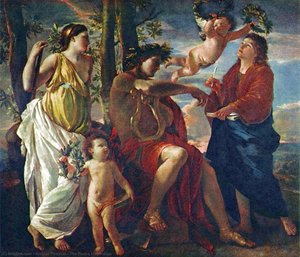
Parnasus
複製画のサイズ
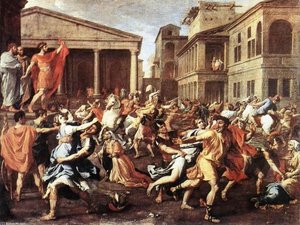
In the realm of art, few paintings capture the essence of a mythological scene as vividly as Parnasus, created by the renowned French artist Nicolas Poussin in 1626. This large oil on canvas painting is housed at the prestigious Museo del Prado in Spain, a testament to its significance and beauty.
The painting depicts a lively gathering of figures in a forest setting, reminiscent of ancient Greek mythology. The scene is set amidst lush trees and bushes, with at least 14 individuals engaged in various activities such as conversing, eating, or simply enjoying their time together. This social and lively atmosphere is characteristic of Poussin’s style, blending elements of nature and human interaction.
Parnasus showcases Poussin's mastery in creating depth and perspective within the image. The arrangement of figures from the foreground to the background adds a sense of dimensionality, drawing the viewer into the scene. This technique was innovative for its time and reflects Poussin’s influence on the development of European art.
To fully appreciate Parnasus, it is essential to understand the broader context of Poussin's work and the era in which he painted. The 17th century was a time of great artistic innovation, with artists like Poussin contributing significantly to the evolution of painting techniques and styles.
Today, Parnasus remains an important piece in the art world, not only for its historical significance but also for its enduring beauty. The Museo del Prado, where it is housed, is a must-visit destination for art enthusiasts, offering a comprehensive collection of European paintings and sculptures from the 14th to the 20th century.
Parnasus by Nicolas Poussin is a masterpiece that continues to captivate audiences with its vivid depiction of mythological figures in a natural setting. Its artistic significance, historical context, and enduring beauty make it a standout piece in the world of art.
Biography:
Nicolas Poussin (born June 1594 – died 1665) stands as a pivotal figure in French Baroque painting. Though he spent the majority of his career in Rome, his artistic vision remained profoundly connected to French artistic traditions, establishing him as a cornerstone of classical French art.
Early Life and Training:
Poussin’s early life remains somewhat shrouded in mystery. Born in Le Havre, France, details about his initial training are scarce. By 1612, he had begun formal studies in Paris, absorbing influences from various lesser-known artists of the time. This period laid the groundwork for his later artistic development before his pivotal move to Rome in 1624.
Artistic Development and Influences:
Poussin’s aesthetic is celebrated for its coherent composition and emphasis on linearity, a deliberate departure from the more flamboyant styles prevalent at the time. His work reflects
Parnasus and St. Cecilia are available for viewing on Most-Famous-Paintings.com, along with other notable works such as La tentación de Santo Tomás de Aquino by Diego Velázquez.
The Museum Museo Thyssen-Bornemisza (Spain) - A Comprehensive Guide on Most-Famous-Paintings.com.

1594 - 1665 , フランス

Journey through Baroque painting's glory! Explore 10 masterpieces by Caravaggio, Rembrandt & Vermeer. Discover dramatic lighting, rich colors & timeless stories. Find museum-quality art reproductions for your home at Most-Famous-Paintings.com.
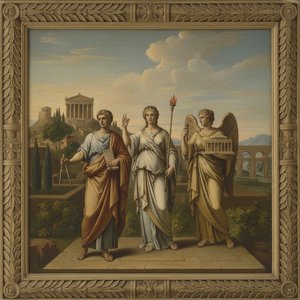
Explore the life & work of Nicolas Poussin, a master of French Classicism. Discover his allegorical paintings, Roman influences, and enduring impact on art history. Expert analysis & insights.

クロード・モネの傑作25選。印象派を代表する光の画家、モネの世界を旅しませんか?睡蓮や風景画など、名画の背景にある物語と芸術技法をご紹介。Most-Famous-Paintingsで高品質な複製画とインテリアアートを見つけましょう。全コレクションはこちら。
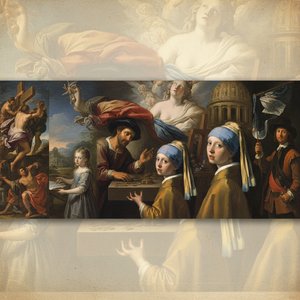
バロック美術の華!カラヴァッジョ、ベルニーニら巨匠が創り上げた10大名作を徹底解剖。ドラマチックな色彩と豪華絢爛の世界観に触れ、至宝のアートプリントで空間を彩ろう。Most-Famous-Paintings.comで美術館品質の複製と洗練されたインテリアを見つけましょう!
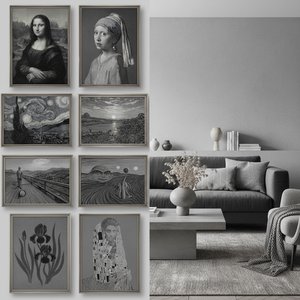
Explore 10 iconic gray paintings by masters like Rembrandt, Hopper & Whistler. Discover the stories behind these atmospheric artworks and find museum-quality art reproductions for your home decor at . Explore the full collection online.


最新の美術ニュース、限定オファー、そしてインテリアのアイデアをいち早くお届けします。
お客様のプロジェクトについてお聞かせください。当社の美術専門家が、お客様に合わせた3つのパーソナライズされた芸術提案をご提供いたします。
あなたにぴったりの3作品を無料で厳選いたします


 手描き複製画を注文する
 シェアする
シェアする シェアする
シェアする
 詳細を見る
詳細を見る

 ダウンロード
 似ている作品
 X線調査
X線調査 スライドショー

 詳細を見る
詳細を見る









 ガラスオプションは、110cm未満のサイズでのみご利用いただけます。