x
 Oil On CanvasWallArtClassical French Baroque
 1625
1625 57.0 x 128.0 cm
オンラインプレビューをはるかに凌ぐ、高解像度で鮮明なデジタル画像をご購入いただけます。
各ファイルは、社内の専門家が高度なツールと熟練した手作業によるレタッチを用いて、細心の注意を払って準備されています。すべての画像において、卓越した鮮明度、正確な色彩再現性、そして繊細なディテールを保証いたします。
最終ファイルは、プロフェッショナルな編集・印刷環境ですぐにご利用いただけるよう最適化された状態で、72時間以内にメールにてお届けいたします。これは、一流のデザインスタジオ、出版社、ギャラリーから信頼されているものと同等の品質です。
Most-Famous-Paintings.com を選ぶことは、単に画像を手に入れることではありません。それは、プロの手によって精密に仕上げられ、満足保証が付いた高品質なデジタルアートワークを受け取ることを意味します。ご注文いただいた際に自動的に付随する内容は、以下の通りです:

ご注文から72時間以内に、高解像度のデジタル画像ファイルがメールでお手元に届きます。すぐにそのままご利用いただけます。

お客様の作品は、高度なAIツールと専門家による手作業の編集を組み合わせてプロフェッショナルに最適化されており、細部のディテール、鮮明さ、そして正確な色再現性を最大限に引き出しています。

ファイルを誤って削除したり、紛失してしまったりしましたか?ご安心ください。いつでも無料で再送いたします。

関税や手数料、配送料を気にすることなく、お気に入りのアートワークをすぐにお楽しみいただけます。デジタルダウンロードは常に免税です。

プロ仕様のツールとカラーマネジメント技術を用いることで、デジタル画像が元の色を最大限に忠実に再現することを保証いたします。

ご購入いただいたデジタル画像にご満足いただけない場合は、60日以内であれば、修正または100%の返金(理由を問う必要はありません)をさせていただきます。

ご満足いただけない場合は、デジタルファイルを受け取ってから60日以内であれば、理由を問わず全額返金いたします。

3枚購入で10%OFF - 5枚購入で15%OFF - 10枚以上購入で20%OFF。クリエイティブなプロジェクト、ギャラリー、エージェンシーに最適です。
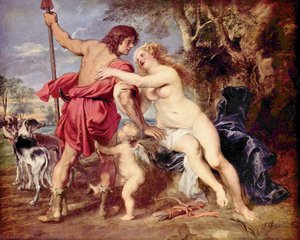
Nicolas Poussin's "Venus Weeping Over Adonis," painted around 1626, is more than just a depiction of a classical myth; it’s a poignant meditation on love, loss, and the cyclical nature of life and death. This masterpiece, currently residing in the Musée des Beaux-Arts de Caen, France, transcends its mythological subject matter to resonate with an enduring emotional power that continues to captivate viewers centuries later. Poussin, deeply influenced by the artistic ideals of antiquity and the Venetian masters he admired, masterfully blended classical composition with a distinctly personal sensibility, creating works that are both intellectually stimulating and profoundly moving.
The scene itself is deceptively simple yet intensely dramatic. Venus, her face etched with grief, kneels beside the lifeless body of Adonis, the young hunter slain by a boar. The setting—a softly lit landscape hinting at dawn or dusk—contributes to the painting’s melancholic atmosphere. Notice the careful attention to detail: the delicate folds of Venus's drapery, the subtle play of light on the water, and the meticulously rendered foliage all speak to Poussin’s technical virtuosity. He employed a technique known as *sfumato*, blurring lines and softening edges to create an ethereal quality, further enhancing the sense of sorrow and transience.
The story depicted is drawn from Ovid's *Metamorphoses*, where Venus, consumed by grief over Adonis’s death, attempts to restore him to life by transforming his blood into anemones—small blue flowers that bloom in the spring. This transformation symbolizes both loss and renewal, a poignant reminder that even in death, beauty and new beginnings can emerge. The presence of the doves, often associated with love and mourning, reinforces this theme. The figure representing the river Adonis, lying prone at the base of the composition, adds another layer of symbolism—a representation of the passage of time and the inevitable decay of all things.
Beyond the immediate narrative, Poussin imbues the scene with broader allegorical meanings. The painting can be interpreted as a meditation on the fleeting nature of beauty and youth, the pain of separation, and the enduring power of love. The contrast between the vibrant colors of Venus’s garments and the muted tones of the landscape further emphasizes this duality—the vibrancy of life juxtaposed against the stillness of death.
Poussin was a staunch devotee of classical art, and his work is characterized by its rigorous adherence to principles of proportion, perspective, and harmony. He meticulously studied ancient sculptures and ruins, seeking to emulate their idealized forms and balanced compositions. His use of *contrapposto*, a technique where the figure’s weight shifts slightly off-center, creates a sense of naturalism and dynamism. The careful arrangement of elements within the composition—the placement of Venus, Adonis, and the surrounding landscape—is designed to create a visually pleasing and intellectually engaging experience for the viewer.
Furthermore, Poussin’s mastery of color is evident in his subtle gradations and delicate blending techniques. He employed a limited palette of earth tones, blues, and reds, creating a sense of depth and atmosphere. The use of light—particularly the soft, diffused glow that illuminates the scene—is particularly effective in conveying the painting's emotional impact. The artist’s ability to capture the fleeting effects of light and shadow is a hallmark of his style.
"Venus Weeping Over Adonis" remains one of Poussin’s most celebrated works, admired for its technical brilliance, emotional depth, and enduring appeal. It's a testament to the artist's ability to transform a classical myth into a profound meditation on the human condition. Today, high-quality reproductions of this iconic painting offer art lovers a chance to experience its beauty and power in their own homes. Most-Famous-Paintings’s meticulously crafted hand-painted reproductions capture the essence of Poussin’s original masterpiece, allowing you to bring this timeless work of art into your space with confidence and authenticity.


1594 - 1665 , フランス


最新の美術ニュース、限定オファー、そしてインテリアのアイデアをいち早くお届けします。
お客様のプロジェクトについてお聞かせください。当社の美術専門家が、お客様に合わせた3つのパーソナライズされた芸術提案をご提供いたします。
あなたにぴったりの3作品を無料で厳選いたします


 プレビュー
プレビュー
 プリントを購入
 シェアする
シェアする シェアする
シェアする
 詳細を見る
詳細を見る

 ダウンロード
 似ている作品
 X線調査
X線調査 スライドショー
 詳細を見る
詳細を見る