x





























作品のオリジナル比率に合わせた、当店の規定サイズからお選びください。

特定のフレームやスペースに合わせて、ご希望のサイズをご入力いただけます。選択されたサイズが元の画像の比率と異なる場合、アートワークをトリミングするか、手描きで要素を追加して絵画を拡張いたします。デジタルモックアップ を制作し、制作開始前にご確認(承認)をいただきます。
画面上のプレビューは、実際のトリミングや拡張を正確に反映しているものではありません。最終的な構図は、モックアップによってのみ正確にご確認いただけます。
カスタムサイズもご利用いただけますが、元の比率を維持するためには、あらかじめ用意されたリストからサイズを選択することをお勧めいたします。

Mediterranean view
複製画のサイズ
Pablo Picasso's “Mediterranean View,” a triptych created in 1966, isn’t merely a depiction of a seascape; it’s a profound meditation on loss, displacement, and the enduring spirit of humanity. Born from a period of intense reflection for the aging artist, this series—composed of three reworked oil paintings—captures a starkly beautiful scene: a sun-drenched Mediterranean coastline littered with the detritus of a humanitarian crisis – lifejackets and buoys bleached by the relentless sun, remnants of countless voyages undertaken in desperate hope.
Picasso’s choice to revisit this subject matter wasn't arbitrary. He had spent much of his later years residing near Antibes on the French Riviera, a region intimately connected with the Mediterranean Sea and its tragic history of migration. The paintings are rooted in a deep awareness of the suffering witnessed during the European migrant crisis of the 1950s and 60s, an era marked by immense human tragedy as individuals sought refuge from war, poverty, and persecution. The work is a poignant response to the harrowing realities faced by those attempting to cross the Mediterranean in search of safety and a new life.
While undeniably rooted in Picasso’s signature Cubist sensibilities—evident in the fragmented forms and multiple perspectives— “Mediterranean View” diverges from his earlier, more abstract explorations. Here, he draws heavily on classical influences, particularly those of Eugène Delacroix, Diego Velázquez, and Edouard Manet. The composition echoes the dramatic lighting and emotional intensity found in Romantic paintings, while the muted color palette – dominated by blues, greys, and ochres—evokes a sense of melancholy and timelessness. The artist’s masterful use of brushstrokes creates a dynamic surface texture, capturing both the ruggedness of the coastline and the chaotic scattering of debris on the shore.
Beyond their literal depiction of a tragic scene, “Mediterranean View” is laden with symbolism. The abandoned lifejackets represent not just lost lives but also the vulnerability and desperation of those seeking refuge. The buoys, adrift on the waves, symbolize hope dashed against the rocks of reality. The vastness of the sea underscores the immensity of the challenge faced by migrants – a journey fraught with peril and uncertainty. Picasso’s deliberate choice to depict these objects in such detail—rendering their textures and forms with meticulous care—elevates them from mere detritus to poignant reminders of human suffering.
The triptych was initially donated to the ABCD Bethlehem organization, a Palestinian medical charity dedicated to providing healthcare to children with disabilities. Subsequently, it was auctioned off in 2020 for over £2.2 million, with proceeds going directly towards equipping a new stroke unit at the BASR hospital in Bethlehem. This act underscores Picasso’s enduring commitment to humanitarian causes and his belief in the power of art to effect positive change. “Mediterranean View” stands as a testament to his artistic vision—a powerful and deeply moving work that continues to resonate with audiences today, prompting reflection on themes of migration, loss, and the enduring capacity for compassion within humanity.


1881 - 1973 , スペイン

Explore the profound history and technical mastery of watercolor painting. From medieval manuscripts to the luminous works of John Singer Sargent, discover how artists capture light and transparency through this delicate, enduring medium.

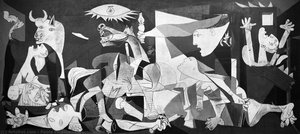
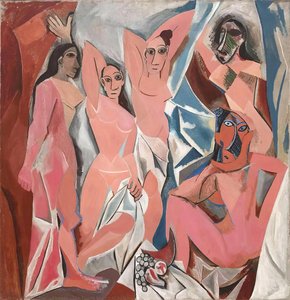
Explore the revolutionary world of Cubism. Discover how masters Pablo Picasso and Georges Braque dismantled reality through geometric abstraction to redefine modern art history.


最新の美術ニュース、限定オファー、そしてインテリアのアイデアをいち早くお届けします。
お客様のプロジェクトについてお聞かせください。当社の美術専門家が、お客様に合わせた3つのパーソナライズされた芸術提案をご提供いたします。
あなたにぴったりの3作品を無料で厳選いたします


 プレビュー
プレビュー
 プリントを購入
 シェアする
シェアする シェアする
シェアする
 詳細を見る
詳細を見る

 ダウンロード
 似ている作品
 X線調査
X線調査 スライドショー
 詳細を見る
詳細を見る









 ガラスオプションは、110cm未満のサイズでのみご利用いただけます。