x
 Acrylic On CanvasWallArtCubism
 1904
1904 116.0 x 73.0 cm
迅速な制作と多彩な仕上げオプションを備えた、ミュージアムクオリティのジークレーまたはキャンバスプリント。 ( 手描きの絵画を購入 画像を購入)





























作品のオリジナル比率に合わせた、当店の規定サイズからお選びください。

特定のフレームやスペースに合わせて、ご自身でサイズを指定することも可能です。選択されたサイズが元の画像の比率と一致しない場合、作品をトリミングするか、鏡面反射または単色での塗りつぶしによって画像を拡張いたします。制作を開始する前に、ご確認用のデジタルモックアップをお送りいたします。
画面上のプレビューには、実際のトリミングや拡張は反映されませんのでご注意ください。最終的な構図を正確に確認できるのは、モックアップのみとなります。
カスタムサイズも承っておりますが、元の比率を維持するためには、あらかじめ用意されたリストからサイズを選択することをお勧めいたします。

The ironer
複製画のサイズ
Pablo Picasso's "The Ironer," painted in 1904 during his formative Blue Period, stands as a poignant emblem of Expressionism—a movement dedicated to conveying raw emotion and psychological truth rather than merely representing reality. Measuring 116.2 by 73 cm, this genre painting transcends the commonplace act of ironing clothes, transforming it into a profound meditation on loneliness, hardship, and the quiet desperation inherent in everyday life.
Picasso’s artistic journey during this period was profoundly shaped by diverse influences. The burgeoning Catalan modernism scene in Barcelona provided him with a visual vocabulary rooted in bold color palettes and geometric forms—a departure from the academic conventions of his time. Simultaneously, he absorbed elements of Post-Impressionist painters like Vincent van Gogh and Paul Cézanne, particularly their exploration of tonal harmonies and simplified brushstrokes. These influences coalesced to forge Picasso’s distinctive style, characterized by a deliberate rejection of photographic realism.
The painting's composition is strikingly simple yet powerfully effective. Picasso centers his gaze on the figure of a woman bent over an ironing board—a deliberately unremarkable subject elevated to symbolic significance through masterful technique. The muted palette of blues and grays dominates, mirroring the pervasive gloom of the Blue Period and evoking a palpable sense of solitude. Picasso employs loose, expressive brushstrokes – impasto – creating visible texture across the canvas, particularly in areas around the woman’s torso and hands. This textural richness contributes to the painting's emotional depth.
Adding another layer of intrigue is the discovery that an infrared camera examination conducted in 1989 revealed a hidden portrait beneath “The Ironer.” This serendipitous revelation illuminates Picasso’s creative process—his habit of reusing canvases and experimenting with layering techniques. The presence of this concealed image suggests that Picasso wasn't merely documenting a scene; he was actively constructing it, embedding within its surface multiple narratives and inviting contemplation about the artist’s intentions.
"The Ironer" cemented Picasso’s position as a pioneer of Expressionism and served as an undeniable precursor to Cubism. Its rejection of traditional perspective and its fragmentation of form foreshadowed the revolutionary aesthetic championed by Georges Braque and Picasso themselves. Furthermore, the painting’s exploration of psychological states resonated with subsequent movements like Futurism and Abstract Expressionism, demonstrating Picasso's enduring impact on the trajectory of 20th-century art.

1881 - 1973 , スペイン
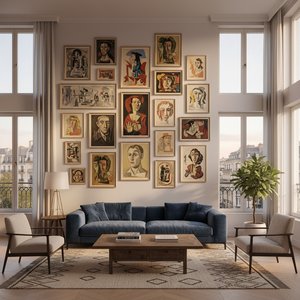
パブロ・ピカソの至高の25選。キュビズム、ゲルニカなど、時代を揺るがした名画の物語と芸術的魅力に迫ります。リビングやオフィスを彩るインテリアアートにも最適。Most-Famous-Paintings.comで高品質なピカソ作品をコレクション。

Immerse yourself in the captivating world of slate blue! Explore 10 iconic paintings by Monet, Van Gogh & Renoir. Discover their stories, techniques & find museum-quality art reproductions for your home at .
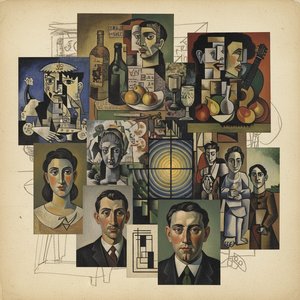
Explore 10 Cubist masterpieces by Picasso, Braque & more! Delve into the history of this revolutionary art movement. Find museum-quality reproductions and elevate your home decor with Most-Famous-Paintings. Discover all masterpieces on Most-Famous-Paintings.com

Explore 10 revolutionary Cubist portraits by Picasso, Braque & more! Discover the stories behind these iconic paintings and how they shaped modern art. Find museum-quality reproductions to elevate your home decor on Most-Famous-Paintings.com.

Explore 10 Cubist masterpieces by Picasso, Braque & more! Discover the stories behind these revolutionary paintings and their impact on modern art. Find museum-quality reproductions for your home at Most-Famous-Paintings.com – where art comes to life.


最新の美術ニュース、限定オファー、そしてインテリアのアイデアをいち早くお届けします。
お客様のプロジェクトについてお聞かせください。当社の美術専門家が、お客様に合わせた3つのパーソナライズされた芸術提案をご提供いたします。
あなたにぴったりの3作品を無料で厳選いたします


 プレビュー
プレビュー
 シェアする
シェアする シェアする
シェアする
 詳細を見る
詳細を見る

 ダウンロード
 似ている作品
 X線調査
X線調査 スライドショー
 詳細を見る
詳細を見る









 ガラスオプションは、110cm未満のサイズでのみご利用いただけます。