x
迅速な制作と多彩な仕上げオプションを備えた、ミュージアムクオリティのジークレーまたはキャンバスプリント。 ( 手描きの絵画を購入 画像を購入)





























作品のオリジナル比率に合わせた、当店の規定サイズからお選びください。

特定のフレームやスペースに合わせて、ご自身でサイズを指定することも可能です。選択されたサイズが元の画像の比率と一致しない場合、作品をトリミングするか、鏡面反射または単色での塗りつぶしによって画像を拡張いたします。制作を開始する前に、ご確認用のデジタルモックアップをお送りいたします。
画面上のプレビューには、実際のトリミングや拡張は反映されませんのでご注意ください。最終的な構図を正確に確認できるのは、モックアップのみとなります。
カスタムサイズも承っておりますが、元の比率を維持するためには、あらかじめ用意されたリストからサイズを選択することをお勧めいたします。

The workshop 1
複製画のサイズ
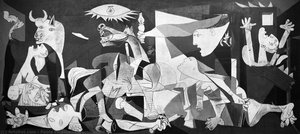
Painted in 1927, during a period of remarkable artistic evolution for Pablo Picasso, “The Workshop” isn't merely a depiction of a studio; it’s a vibrant, almost frenetic snapshot of the artist himself immersed in his craft. The painting immediately captivates with its bold contrasts and dynamic composition—a world rendered in stark black and white that pulsates with an undeniable energy. It’s a piece that invites prolonged contemplation, revealing layers of meaning and hinting at the complex emotions simmering beneath the surface.
Picasso, already a titan of modern art by this point, was navigating a period of intense experimentation, moving beyond the rigid confines of Cubism while retaining its core principles. “The Workshop” embodies this transitional phase—a departure from the analytical fragmentation of his earlier work yet still retaining a distinctly Picassoesque approach to form and perspective. The figures are not precisely rendered but rather suggested through expressive lines and overlapping planes, creating an illusionistic depth that is both unsettling and compelling.
The central focus of the painting is undoubtedly the nude woman seated on a chair, engaged in animated conversation with two other figures—a man wearing a beret and another sporting a hat. These aren’t portraits in the traditional sense; they are embodiments of gesture and movement, captured with remarkable immediacy. Picasso masterfully utilizes hatching and cross-hatching to build up tonal values and texture, creating a surface that feels both rough and intensely tactile. The lines themselves seem to vibrate with energy, conveying not just the appearance of these figures but also their emotional state.
Notice how Picasso deliberately obscures the faces of many of his subjects—a technique frequently employed during this period. This deliberate ambiguity forces the viewer to focus on the overall composition and the interplay between the figures, rather than getting lost in individual details. The blurred features contribute to a sense of mystery and intimacy, suggesting that we are privy to a private moment, a shared conversation filled with unspoken thoughts and feelings.
“The Workshop” is rich in symbolic potential. The setting itself—a cluttered studio overflowing with tools, canvases, and half-finished projects—represents the chaotic yet fertile ground of artistic creation. The presence of multiple figures suggests collaboration, debate, and the exchange of ideas – essential components of Picasso’s creative process. The woman's pose, relaxed yet engaged, hints at a sense of contentment and perhaps even vulnerability.
Furthermore, the painting’s melancholic mood—evoked by the muted palette and the slightly unsettling composition—reflects a recurring theme in Picasso’s work: the bittersweet beauty of human connection amidst the inevitability of loss. The overall impression is one of intimacy, contemplation, and a profound appreciation for the act of creation itself. It's a piece that lingers in the mind long after you've turned away, prompting reflection on the nature of art, life, and the enduring power of the human spirit.

1881 - 1973 , スペイン
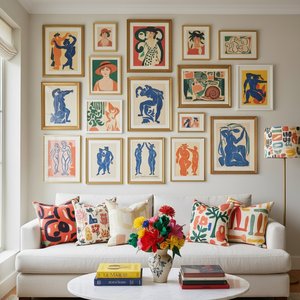
アンリ・マティスの傑作25選🎨 色彩と情熱が織りなす世界を旅する。フォーヴィスム代表の巨匠、マティスの絵画の魅力と歴史を紐解きます。Most-Famous-Paintingsで高品質なアートプリントや複製画を見つけ、インテリアに芸術的な輝きを✨ Explore the full collection online

Delve into the power of 'Ivory Black' with 10 iconic paintings by masters like Rembrandt & Caravaggio. Explore dramatic chiaroscuro, gothic moods & timeless art history. Find museum-quality reproductions and elevate your home decor at

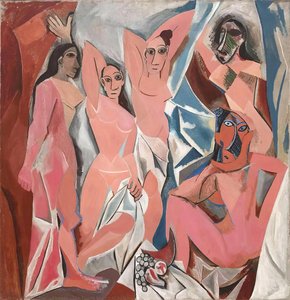
Explore the revolutionary art of Pablo Picasso with Most-Famous-Paintings.com. Discover Cubism's origins, symbolism in his masterpieces & investment insights for collectors. Expert appraisal & custom reproductions available.
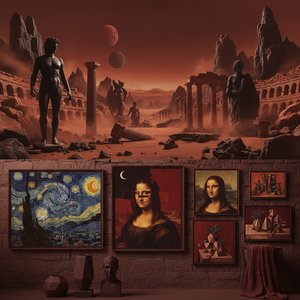
Delve into the power of 'Mars Black' with 10 iconic paintings by masters like Rembrandt & Caravaggio. Explore dramatic chiaroscuro, gothic art, and timeless beauty. Find museum-quality reproductions & elevate your home decor on .

Explore the captivating history of the nude in art! From ancient Greece to modern masters, discover its evolving symbolism, techniques & enduring beauty. Expert insights for collectors and enthusiasts.


最新の美術ニュース、限定オファー、そしてインテリアのアイデアをいち早くお届けします。
お客様のプロジェクトについてお聞かせください。当社の美術専門家が、お客様に合わせた3つのパーソナライズされた芸術提案をご提供いたします。
あなたにぴったりの3作品を無料で厳選いたします


 プレビュー
プレビュー
 シェアする
シェアする シェアする
シェアする
 詳細を見る
詳細を見る

 ダウンロード
 似ている作品
 X線調査
X線調査 スライドショー

 詳細を見る
詳細を見る









 ガラスオプションは、110cm未満のサイズでのみご利用いただけます。