x





























作品のオリジナル比率に合わせた、当店の規定サイズからお選びください。

特定のフレームやスペースに合わせて、ご希望のサイズをご入力いただけます。選択されたサイズが元の画像の比率と異なる場合、アートワークをトリミングするか、手描きで要素を追加して絵画を拡張いたします。デジタルモックアップ を制作し、制作開始前にご確認(承認)をいただきます。
画面上のプレビューは、実際のトリミングや拡張を正確に反映しているものではありません。最終的な構図は、モックアップによってのみ正確にご確認いただけます。
カスタムサイズもご利用いただけますが、元の比率を維持するためには、あらかじめ用意されたリストからサイズを選択することをお勧めいたします。

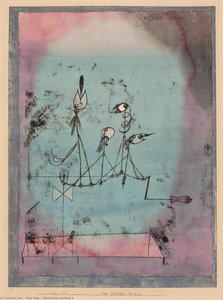
Everything runs after something
複製画のサイズ
Paul Klee's “Everything Runs After Something” isn’t merely a drawing; it’s a distilled essence of artistic impulse, a visual meditation on the elusive origins of creativity itself. Executed in stark monochrome—primarily shades of gray—the artwork embodies Klee’s signature style: naive art, or primitive art – a deliberate rejection of academic conventions favoring simplicity, distortion, and an intuitive engagement with form.
Born in Münchenbuchsee, Switzerland, in 1879, Paul Klee’s artistic trajectory was profoundly shaped by his upbringing amidst musical influences. His father, a music teacher, instilled in him an acute sensitivity to harmonic relationships—a connection that would permeate his visual vocabulary. This early exposure to music informed Klee's compositional approach and underpinned his belief that art could communicate emotion akin to musical arrangement.
Klee’s artistic journey was marked by experimentation with diverse mediums, including watercolor, gouache, lithography, and collage—a testament to his unwavering pursuit of innovation. He embraced the Bauhaus aesthetic, collaborating with Josef Albers and László Moholy-Nagy on groundbreaking projects that explored the interplay between color and form.
“Everything Runs After Something” speaks to a deeper philosophical concern: the notion that creativity originates from forces beyond conscious awareness. As Klee himself articulated, “My hand has become the obedient instrument of a remote will.” This statement encapsulates the artist’s conviction that artistic expression transcends rational thought—tapping into an unconscious reservoir of inspiration.
The artwork's subdued palette and simplified forms evoke feelings of melancholy and introspection. It invites viewers to contemplate the mysteries of existence, mirroring Klee’s own lifelong quest for spiritual understanding. Zentrum Paul Klee in Bern houses the world’s largest collection of Klee’s artworks—a pilgrimage for anyone interested in experiencing the profound beauty of this singular artistic vision.

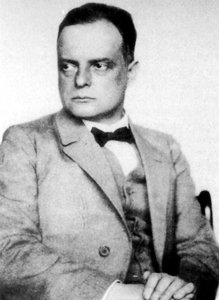
1879 - 1940 , スイス

Explore the profound artistry of black and white photography. From the chemistry of gelatin silver to the chiaroscuro of the Old Masters, discover how monochrome captures the eternal essence of light, form, and emotion for the discerning art collector.


最新の美術ニュース、限定オファー、そしてインテリアのアイデアをいち早くお届けします。
お客様のプロジェクトについてお聞かせください。当社の美術専門家が、お客様に合わせた3つのパーソナライズされた芸術提案をご提供いたします。
あなたにぴったりの3作品を無料で厳選いたします


 プレビュー
プレビュー
 プリントを購入
 シェアする
シェアする シェアする
シェアする
 詳細を見る
詳細を見る

 ダウンロード
 似ている作品
 X線調査
X線調査 スライドショー
 詳細を見る
詳細を見る









 ガラスオプションは、110cm未満のサイズでのみご利用いただけます。