x
迅速な制作と多彩な仕上げオプションを備えた、ミュージアムクオリティのジークレーまたはキャンバスプリント。 ( 手描きの絵画を購入 画像を購入)





























作品のオリジナル比率に合わせた、当店の規定サイズからお選びください。

特定のフレームやスペースに合わせて、ご自身でサイズを指定することも可能です。選択されたサイズが元の画像の比率と一致しない場合、作品をトリミングするか、鏡面反射または単色での塗りつぶしによって画像を拡張いたします。制作を開始する前に、ご確認用のデジタルモックアップをお送りいたします。
画面上のプレビューには、実際のトリミングや拡張は反映されませんのでご注意ください。最終的な構図を正確に確認できるのは、モックアップのみとなります。
カスタムサイズも承っておりますが、元の比率を維持するためには、あらかじめ用意されたリストからサイズを選択することをお勧めいたします。

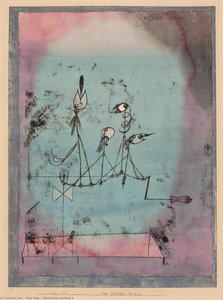
Veil Dance
複製画のサイズ
Paul Klee's "Veil Dance," painted in 1920, is not merely a depiction of a horse and rider; it’s an immersion into the artist’s uniquely subjective world – a realm where color sings, form shimmers, and emotion takes flight. This captivating work, rendered with Klee’s signature blend of Expressionism, Cubism, and Surrealism, invites us to contemplate themes of movement, tranquility, and perhaps even a touch of wistful longing. The painting immediately draws the eye with its warm, sunset-drenched backdrop, suggesting an idyllic moment captured at twilight. The horse, rendered in fluid, almost watercolor-like strokes, appears to be in full stride, yet there’s a palpable sense of serenity about it – a quiet grace that belies its apparent motion.
Klee's masterful use of color is central to "Veil Dance." He employs a palette dominated by ochres, browns, and muted reds, creating an atmosphere of earthy warmth. These grounded tones are punctuated by brighter accents – yellows and blues – that seem to emanate from within the forms themselves. Notice how he doesn’t meticulously render detail; instead, he utilizes broken planes and overlapping shapes to suggest volume and movement. The rider, a shadowy figure against the vibrant sky, is almost secondary to the horse, emphasizing the animal's central role in the composition. The inclusion of several other horses in the background adds depth and complexity, hinting at a larger scene unfolding beyond the immediate focus.
Analyzing "Veil Dance" through a symbolic lens reveals layers of meaning. The horse itself has long been associated with freedom, power, and nobility – qualities that resonate strongly within Klee’s work. The “veil” in the title could represent not just a physical covering but also a metaphorical barrier between the viewer and the scene, inviting us to step into Klee's imaginative space. The chair, positioned seemingly at random within the landscape, is particularly intriguing. It might symbolize rest, contemplation, or perhaps even a fleeting moment of human connection amidst the vastness of nature – a subtle reminder of our place within the larger world. The painting’s overall mood evokes a sense of quiet reflection, as if capturing a timeless scene from a dream.
Created in 1920, “Veil Dance” reflects the pivotal period in Paul Klee’s artistic development. Following his time at the Bauhaus school in Germany, where he honed his skills in color theory and design, Klee began to explore increasingly abstract forms while retaining a deep connection to representational imagery. This work exemplifies his experimentation with spontaneous drawing techniques – often employing colored pencils on gouache paper – resulting in works that are both meticulously planned and intuitively generated. The influence of Ferruccio Gard’s dynamic neo-constructivist art, with its emphasis on color and geometry, can be subtly detected here, alongside the more lyrical qualities of Eliseo Mattiacci's monumental metal sculptures. The Zentrum Paul Klee in Bern houses the world’s largest collection of his work, offering a profound opportunity to delve deeper into his artistic evolution.
A hand-painted reproduction of “Veil Dance” captures the essence of Klee’s artistic vision with remarkable fidelity. The vibrant colors and dynamic composition are faithfully reproduced, allowing you to bring this evocative masterpiece into your home or office – a testament to the enduring power of one of 20th century's most beloved artists.

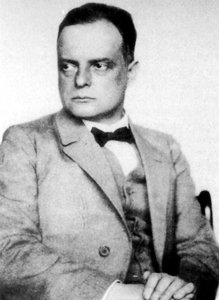
1879 - 1940 , スイス

パウル・クレーの傑作25選🎨 色彩と象徴に満ちた抽象絵画の世界を旅。ドイツ表現主義からバウハウスまで、クレーの革新的な技法と感動的な作品群をMost-Famous-Paintingsで。高品質な美術品複製やインテリアアートも豊富です。オンラインストアで全コレクションをご覧ください。

Explore the captivating world of Paul Klee! Discover his innovative art, Bauhaus influence, & unique symbolic language. Expert analysis & high-quality reproductions at Most-Famous-Paintings.
ポール・セザンヌの至高の25選。ポスト印象派を代表する画家、セザンヌの傑作と革新的な技法を紐解きます。Most-Famous-Paintingsで高品質な複製画やインテリアアートを見つけ、芸術の世界をご自宅に。今すぐコレクションをご覧ください。
Explore the captivating history of dance in art! From Degas' ballet scenes to abstract expressions, discover how artists have captured movement and cultural significance across time. Expert insights for collectors & enthusiasts.

Explore the captivating history of horses in painting! Discover Renaissance masterpieces, Baroque grandeur & expert insights for collecting equestrian art. Learn about symbolism, techniques & lasting value with Most-Famous-Paintings.


最新の美術ニュース、限定オファー、そしてインテリアのアイデアをいち早くお届けします。
お客様のプロジェクトについてお聞かせください。当社の美術専門家が、お客様に合わせた3つのパーソナライズされた芸術提案をご提供いたします。
あなたにぴったりの3作品を無料で厳選いたします


 プレビュー
プレビュー
 シェアする
シェアする シェアする
シェアする
 詳細を見る
詳細を見る

 ダウンロード
 似ている作品
 X線調査
X線調査 スライドショー

 詳細を見る
詳細を見る









 ガラスオプションは、110cm未満のサイズでのみご利用いただけます。