


x
 1972
1972 67.0 x 52.0 cm
オンラインプレビューをはるかに凌ぐ、高解像度で鮮明なデジタル画像をご購入いただけます。
各ファイルは、社内の専門家が高度なツールと熟練した手作業によるレタッチを用いて、細心の注意を払って準備されています。すべての画像において、卓越した鮮明度、正確な色彩再現性、そして繊細なディテールを保証いたします。
最終ファイルは、プロフェッショナルな編集・印刷環境ですぐにご利用いただけるよう最適化された状態で、72時間以内にメールにてお届けいたします。これは、一流のデザインスタジオ、出版社、ギャラリーから信頼されているものと同等の品質です。
Most-Famous-Paintings.com を選ぶことは、単に画像を手に入れることではありません。それは、プロの手によって精密に仕上げられ、満足保証が付いた高品質なデジタルアートワークを受け取ることを意味します。ご注文いただいた際に自動的に付随する内容は、以下の通りです:

ご注文から72時間以内に、高解像度のデジタル画像ファイルがメールでお手元に届きます。すぐにそのままご利用いただけます。

お客様の作品は、高度なAIツールと専門家による手作業の編集を組み合わせてプロフェッショナルに最適化されており、細部のディテール、鮮明さ、そして正確な色再現性を最大限に引き出しています。

ファイルを誤って削除したり、紛失してしまったりしましたか?ご安心ください。いつでも無料で再送いたします。

関税や手数料、配送料を気にすることなく、お気に入りのアートワークをすぐにお楽しみいただけます。デジタルダウンロードは常に免税です。

プロ仕様のツールとカラーマネジメント技術を用いることで、デジタル画像が元の色を最大限に忠実に再現することを保証いたします。

ご購入いただいたデジタル画像にご満足いただけない場合は、60日以内であれば、修正または100%の返金(理由を問う必要はありません)をさせていただきます。

ご満足いただけない場合は、デジタルファイルを受け取ってから60日以内であれば、理由を問わず全額返金いたします。

3枚購入で10%OFF - 5枚購入で15%OFF - 10枚以上購入で20%OFF。クリエイティブなプロジェクト、ギャラリー、エージェンシーに最適です。

Born in London, England, in 1930, Peter Arthur Hutchinson’s artistic journey is a fascinating exploration of the ephemeral, the subjective, and the dialogue between humanity and the natural world. He stands as one of the key figures who helped shape the nascent Land Art movement, while simultaneously forging a unique path through narrative mixed media and conceptual photography. His work isn't simply about depicting landscapes; it’s an active engagement with them, a layering of observation, documentation, and deliberate intervention that invites viewers to contemplate their own relationship with place and experience.
Hutchinson’s early life instilled in him a deep appreciation for the interconnectedness of things. Growing up in Britain, he developed a keen eye for detail and an interest in both the formal beauty of gardens and the wild, untamed aspects of nature. This duality would become a recurring theme in his work – a careful balance between cultivated order and spontaneous growth, structured composition and chaotic decay. His move to the United States in 1952 marked a significant shift, providing him with access to new landscapes and a broader artistic community.
Hutchinson’s arrival in America coincided with a period of intense experimentation in art. The late 1960s witnessed the rise of Land Art, spearheaded by artists like Robert Smithson and Walter De Maria, who sought to create monumental works directly within the landscape itself. Hutchinson quickly embraced this ethos, but he distinguished himself through his distinctive approach – a meticulous documentation of these interventions alongside handwritten narratives that imbued them with personal meaning. Unlike some of his contemporaries who focused on purely abstract gestures, Hutchinson’s work is deeply rooted in observation and reflection.
His signature style emerged from a combination of techniques: the careful selection and arrangement of photographic images, often sourced from everyday life; the use of gouache for layering color and texture; the incorporation of woad – a historical blue dye with a distinctive earthy tone – to evoke a sense of antiquity and connection to the past; and finally, the addition of handwritten texts that act as both captions and meditations on the work’s significance. These texts aren't merely descriptive; they are often poetic, philosophical, or playfully ironic, inviting viewers to engage in a dialogue with the artwork.
Hutchinson’s process was characterized by a deliberate sense of improvisation and chance. He frequently worked *in situ*, responding directly to the conditions of the landscape – the light, the weather, the existing vegetation. His materials were often found objects or discarded items, transformed into evocative symbols through his artistic interventions. The use of woad, in particular, is noteworthy; its historical connection to alchemy and ritual adds a layer of symbolic depth to his work.
The incorporation of handwritten text is crucial to understanding Hutchinson’s approach. He often employed a distinctive script, reminiscent of illuminated manuscripts or personal letters, lending an intimate and almost devotional quality to his narratives. These texts are not intended to provide definitive answers but rather to pose questions, invite speculation, and encourage viewers to consider their own experiences within the context of the artwork.
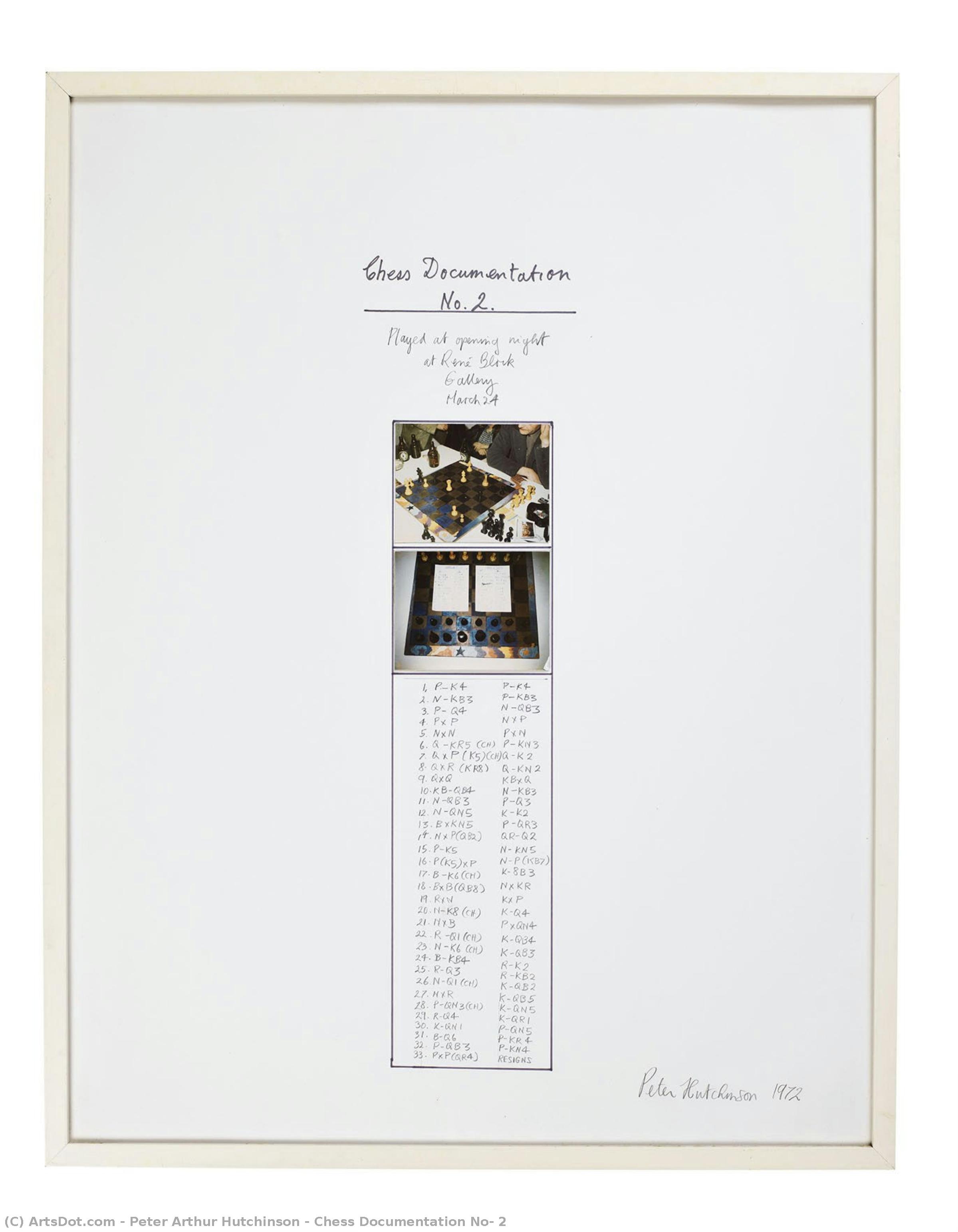
Among Hutchinson’s most celebrated works is “Chess Documentation No. 2,” a series of photographs documenting his interventions in a field near Los Angeles. These images capture fleeting moments of beauty and decay, juxtaposing elements such as wildflowers, discarded toys, and handwritten notes to create a complex and layered visual narrative. Similarly, "Chess Documentation No. 6" showcases his exploration of the relationship between human presence and natural processes.
His work has been exhibited extensively in museums and galleries around the world, including the Museum of Modern Art (MoMA) in New York, Centre Pompidou in Paris, and the Arp Museum in Germany. Hutchinson’s influence extends beyond Land Art, inspiring artists working in a wide range of media – from photography and collage to installation and performance art. He is remembered as a pioneer who challenged conventional notions of artistic practice and demonstrated the power of art to engage with the world in profound and meaningful ways.
Peter Arthur Hutchinson’s legacy lies not only in his distinctive visual style but also in his unwavering commitment to exploring the complexities of human experience within the context of the natural world. His work continues to resonate today, reminding us of the importance of observation, reflection, and a deep appreciation for the beauty and fragility of our planet.

1930 - , United Kingdom


最新の美術ニュース、限定オファー、そしてインテリアのアイデアをいち早くお届けします。
お客様のプロジェクトについてお聞かせください。当社の美術専門家が、お客様に合わせた3つのパーソナライズされた芸術提案をご提供いたします。
あなたにぴったりの3作品を無料で厳選いたします


 プレビュー
プレビュー
 プリントを購入
 シェアする
シェアする シェアする
シェアする
 詳細を見る
詳細を見る

 ダウンロード
 似ている作品
 X線調査
X線調査 スライドショー
 詳細を見る
詳細を見る


