x

当社のアーティストが、お客様のご希望のサイズと額縁に合わせて、キャンバスに手描きで制作する油彩画です。 ( プリント版に切り替え 画像に切り替え)





























作品のオリジナル比率に合わせた、当店の規定サイズからお選びください。

特定のフレームやスペースに合わせて、ご希望のサイズをご入力いただけます。選択されたサイズが元の画像の比率と異なる場合、アートワークをトリミングするか、手描きで要素を追加して絵画を拡張いたします。デジタルモックアップ を制作し、制作開始前にご確認(承認)をいただきます。
画面上のプレビューは、実際のトリミングや拡張を正確に反映しているものではありません。最終的な構図は、モックアップによってのみ正確にご確認いただけます。
カスタムサイズもご利用いただけますが、元の比率を維持するためには、あらかじめ用意されたリストからサイズを選択することをお勧めいたします。

Coco
複製画のサイズ
Pierre-Auguste Renoir’s “Coco,” painted in 1904, is more than just a portrait of a young boy; it’s a tender exploration of childhood innocence and the quiet moments that define early life. The painting depicts Claude Renoir – affectionately nicknamed “Coco” – lost in his own world, hands clasped before him as if contemplating a hidden treasure or engaging in a silent game. This intimate scene, rendered with Renoir's signature Impressionistic touch, invites viewers into a space of gentle contemplation and nostalgic warmth. The soft lighting and muted color palette contribute to an atmosphere of peaceful domesticity, characteristic of Renoir’s later works where he increasingly focused on portraying the joys of family life.
By 1904, Renoir had already established himself as a pivotal figure in the Impressionist movement. However, “Coco” reflects a shift in his artistic approach, moving away from the plein air landscapes and bustling scenes of Parisian life that defined his earlier career. While still employing the broken brushstrokes and emphasis on light central to Impressionism, he began to prioritize form and structure, seeking a more classical balance within his compositions. This is evident in the careful rendering of Coco’s features and the subtle modeling of his clothing. The painting isn't about capturing a fleeting moment outdoors; it’s about preserving an internal state – the focused curiosity of a child. The bow adorning Coco’s head, and the presence of a book nearby, hint at a life being shaped by learning and gentle guidance.
The story behind “Coco” adds another layer of emotional resonance to the artwork. Claude Renoir was the artist's youngest son, born when Renoir was in his sixties. Following the death of his wife Aline in 1915, Renoir found solace and renewed purpose in his relationship with Coco, who became a frequent subject for his paintings. This deeply personal connection is palpable in the tenderness with which Coco is portrayed. The painting isn’t simply an artistic exercise; it's a loving tribute to fatherhood and a poignant expression of familial affection. It speaks to Renoir’s desire to capture not just physical likeness, but also the essence of his son’s personality – his quiet thoughtfulness and inherent sweetness.
The symbolism within “Coco” is subtle yet profound. The downward gaze suggests introspection and a world unfolding within the child's imagination. The soft light enveloping Coco symbolizes protection and nurturing, while the muted colors evoke a sense of tranquility and peace. Renoir masterfully uses these elements to create an emotional connection with the viewer, inviting us to reflect on our own childhood memories and the universal experience of innocence. “Coco” is not merely a beautiful painting; it’s a powerful reminder of the fleeting nature of youth and the enduring importance of family bonds. It's a work that resonates deeply because it taps into something fundamentally human – the longing for simpler times and the joy found in observing the wonder of childhood.

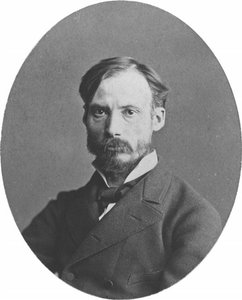
1841 - 1919 , フランス

ルノワールの傑作25選🎨 印象派の光と色彩が輝く世界へ。絵画の背景、技法、そして時代を超えて愛される理由を紐解きます。Most-Famous-Paintingsで高品質な複製画やインテリアアートを見つけ、お部屋に芸術的な彩りを✨ Explore the full collection online!

Explore 10 iconic portrait paintings – from Mona Lisa to Van Gogh’s self-portraits. Discover the stories behind these masterpieces, artistic techniques & find museum-quality art reproductions for your home at Most-Famous-Paintings.com.
ポール・セザンヌの至高の25選。ポスト印象派を代表する画家、セザンヌの傑作と革新的な技法を紐解きます。Most-Famous-Paintingsで高品質な複製画やインテリアアートを見つけ、芸術の世界をご自宅に。今すぐコレクションをご覧ください。

クロード・モネの傑作25選。印象派を代表する光の画家、モネの世界を旅しませんか?睡蓮や風景画など、名画の背景にある物語と芸術技法をご紹介。Most-Famous-Paintingsで高品質な複製画とインテリアアートを見つけましょう。全コレクションはこちら。

モネ、ルノワール…印象派を代表する傑作10選。🎨 色彩と光の魔法、芸術家の物語を紐解き、空間に深みを与える絵画の世界へ。Most-Famous-Paintingsで複製画やキャンバスアートを見つけ、あなただけのインテリアを実現しましょう。🖼️ 詳細はこちら


最新の美術ニュース、限定オファー、そしてインテリアのアイデアをいち早くお届けします。
お客様のプロジェクトについてお聞かせください。当社の美術専門家が、お客様に合わせた3つのパーソナライズされた芸術提案をご提供いたします。
あなたにぴったりの3作品を無料で厳選いたします


 プレビュー
プレビュー
 シェアする
シェアする シェアする
シェアする
 詳細を見る
詳細を見る

 ダウンロード
 似ている作品
 X線調査
X線調査 スライドショー

 詳細を見る
詳細を見る









 ガラスオプションは、110cm未満のサイズでのみご利用いただけます。