


x
作品のオリジナル比率に合わせた、当店の規定サイズからお選びください。

特定のフレームやスペースに合わせて、ご希望のサイズをご入力いただけます。選択されたサイズが元の画像の比率と異なる場合、アートワークをトリミングするか、手描きで要素を追加して絵画を拡張いたします。デジタルモックアップ を制作し、制作開始前にご確認(承認)をいただきます。
画面上のプレビューは、実際のトリミングや拡張を正確に反映しているものではありません。最終的な構図は、モックアップによってのみ正確にご確認いただけます。
カスタムサイズもご利用いただけますが、元の比率を維持するためには、あらかじめ用意されたリストからサイズを選択することをお勧めいたします。

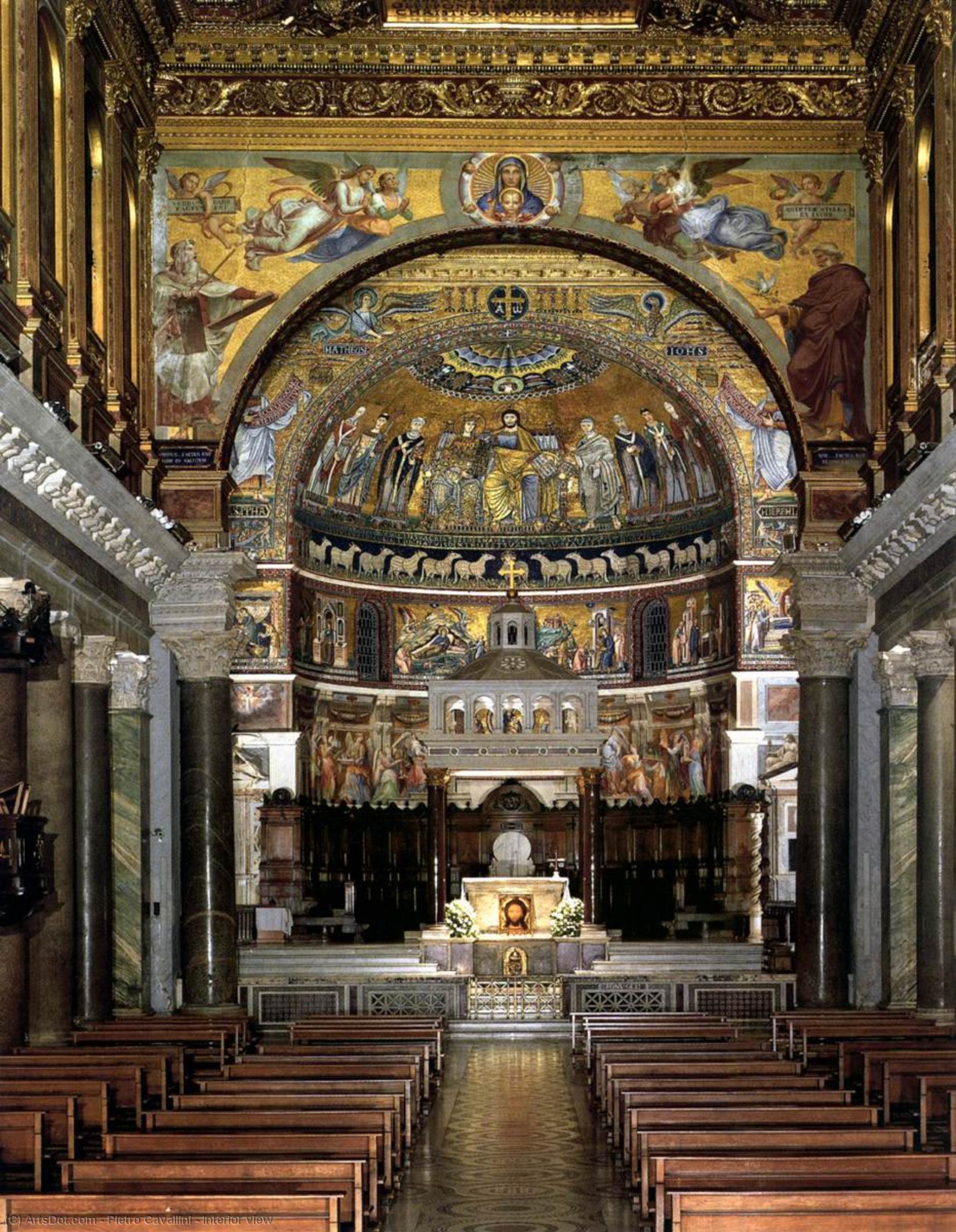
Interior view
複製画のサイズ
Stepping into the Interior View is akin to entering a celestial realm where the boundaries between the earthly and the divine begin to dissolve. This breathtaking depiction of a sacred space, dating back to 1296, captures the profound majesty of Roman ecclesiastical architecture at its zenith. The composition draws the eye through a rhythmic procession of ornate columns and sweeping arches, leading the viewer toward the heart of the sanctuary: the altar. Every element, from the polished stone floors that catch the soft, diffused light to the heavy wooden pews arranged in traditional reverence, serves to direct our spiritual focus inward. It is not merely a depiction of a building, but an invitation to experience the stillness and sanctity of a space designed for eternal contemplation.
The artistry within this view is defined by the masterful use of light and texture, characteristic of the transition toward Roman Naturalism. The ceiling, a vaulted expanse of rich gold, glows with an ethereal warmth, its intricate patterns suggesting a heavenly canopy that protects the faithful below. This opulence is balanced by the meticulous detail found in the mosaics that adorn the walls. These vibrant tesserae depict saints and biblical narratives with a level of craftsmanship that speaks to the immense devotion of the era. The interplay between the shimmering gold surfaces and the soft, natural illumination creates a serene atmosphere, making the space feel both physically vast and intimately peaceful.
To understand the soul of this interior, one must look to the hand of Pietro Cavallini, a pioneer who dared to breathe life into the rigid conventions of Byzantine art. As a master of the Roman school, Cavallini introduced an unprecedented anatomical accuracy and emotional depth to his works. In this architectural vista, we see the fruits of his revolutionary approach—a move away from flat, stylized icons toward a more three-dimensional, tactile reality. The way the light interacts with the surfaces in this scene reflects Cavallini’s profound ability to capture volume and weight, transforming stone and pigment into a living, breathing environment.
For the discerning collector or interior designer, a reproduction of this masterpiece offers more than just decoration; it provides a focal point of historical significance and spiritual depth. Integrating such a piece into a contemporary setting brings an element of timelessness and classical elegance. The rich palette of golds, deep wood tones, and mosaic hues can anchor a room, providing a sense of permanence and grandeur. Whether placed in a quiet study or a grand hall, this artwork serves as a window into the late 13th century, reminding us of a time when art was the ultimate bridge between the human experience and the infinite.

ピエトロ・カヴァリーニは、ビザンティン様式の伝統的な慣習から、後のイタリア初期ルネサンスを象徴することとなる、芽生えつつあった自然主義への転換点において、極めて重要な役割を果たした人物です。1240年頃にローマで生まれた彼の生涯は、比較的謎に包まれています。しかし、彼が「pictor romanus(ローマの画家)」と署名していた記録は、その輝かしいキャリアの始まりがサン・パオロ・フオーリ・レ・ムーラ大聖堂との深い関わりの中にあったことを示唆しています。この初期の依頼は、当時のヨーロッパ全土に蔓延していた様式化された平面的描写からの大胆な脱却を意味しており、カヴァリーニを、後に「ローマ・ナチュラリズム」として知られることになる芸術運動の最初期の旗手として確立させたのです。
カヴァリーニの名声は、1277年から1285年にかけてサン・パオロ・フオーリ・レ・ムーラ大聖堂を彩った壮大なフレスコ画によって、瞬く間に高まりました。これらの野心的なプロジェクトは、前例のないリアリズムをもって聖書の物語を扱い、解剖学的な正確さで人物を描き出し、見る者の心に深く響く感情豊かな表情を捉えていました。1823年の壊滅的な火災によって、これらのフレスコ画の多くが悲劇的に失われ、カヴァリーニの本来のヴィジョンの大部分が消し去られてしまったことは痛恨の極みです。しかし、現存する断片は、その先駆的な精神において今なお畏敬と称賛を集め続けています。この試みこそが、光と量感(ボリューム)を用いることで確立された芸術的教条に敢えて挑んだ革新者としての彼の名声を不動のものとしたのです。
カヴァリーニの天才性の本質は、ビザンティン伝統の硬直した二次元的な図像学から脱却し、静止した表面に生命を吹き込む能力にあります。彼の作品は、繊細な陰影と、光が形態といかに相互作用するかという洗練された理解を通じて、深い重厚感と存在感を放っています。アプス(後陣)のアーチ:聖母の安息のような傑作においては、神聖な瞬間の穏やかな移ろいを捉えた静謐なモザイクを目にすることができ、観る者を、神性が触知できるほど人間味を帯びて感じられる空間へと誘います。
この卓越した技術は、金箔や複雑な質感を用いて奥行きを生み出した、モザイク画や緻密な構成にも及んでいます。聖ペテロによる、ベルトルド・ステファンスキを聖母に推薦する場面といった作品では、精巧な金のモザイク細工は単なる装飾としてではなく、自然界の中に宿る神聖な存在を照らし出すための手段として機能しています。立体的な形態と繊細な陰影を通じて天上のものと地上のものを融合させる彼の能力は、自然界の観察結果を反映することを可能にし、精神的な世界と物理的な世界の間に架け橋を築いたのです。
おそらくカヴァリーニの最も永続的な遺産は、ローマのトラステヴェレ地区にあるサンタ・チェチリア教会で1293年頃に制作されたフレスコ画「最後の審判」の中に息づいています。彼の最高傑作とされるこの作品は、芸術的感性に与えたローマ・ナチュラリズムの深い影響を体現しています。シエナを中心に流行していたゴシック美術特有の平面的で装飾的な表現とは異なり、カヴァリーニの描写は、西洋絵画の進路を根本的に変えることとなる三次元的な空間感覚を取り入れていました。
彼の貢献が持つ歴史的重要性は、言葉では言い尽くせません。なぜなら、彼の様式的な選択は、後に続くフィレンツェの巨匠たちにとっての基礎的な設計図となったからです。重み、影、そして解剖学的な真実という古典的な要素を再導入することで、彼は芸術をルネサンスへと向かわせる運動の火種となりました。彼の影は、以下のような主要な芸術的発展の中に辿ることができます。
時間の経過と悲劇によって彼の本来の作品の多くが失われてしまったものの、現存する断片は、世界を単なる記号の集合としてではなく、キャンバスや石の上に捉えられるのを待っている、生きて呼吸する現実として見つめた一人の芸術家の証として、今なお輝きを放っています。

1240 - 1330 , イタリア

現代ホテルの空間デザインにルネサンスの壮麗さを。天井フレスコの歴史、技法、カスタム制作について専門家が解説。Most-Famous-Paintings.comで理想の芸術的空間を実現しましょう。

Step into the golden era of Byzantine art. Explore the breathtaking power of gold mosaics, sacred iconography, and imperial design that shaped history. Discover how this bold, divine aesthetic continues to inspire modern visual impact and luxury interiors.

Explore the rich history of religious iconography in art! Discover symbolism, movements & masterpieces from Byzantine to Renaissance periods. Expert insights for collectors and enthusiasts at Most-Famous-Paintings.

Discover the breathtaking beauty of Dutch Golden Age landscapes. Explore the mastery of light, chiaroscuro, and 17th-century realism through an expert art history lens, celebrating the enduring legacy of the Dutch Masters for discerning collectors and art lovers.

Explore the rich history of religious painting with Most-Famous-Paintings.com! Discover iconic artworks, symbolism & techniques from antiquity to the Renaissance. Enhance your art appreciation today.


最新の美術ニュース、限定オファー、そしてインテリアのアイデアをいち早くお届けします。
お客様のプロジェクトについてお聞かせください。当社の美術専門家が、お客様に合わせた3つのパーソナライズされた芸術提案をご提供いたします。
あなたにぴったりの3作品を無料で厳選いたします


 プリントを購入
 シェアする
シェアする シェアする
シェアする
 詳細を見る
詳細を見る

 ダウンロード
 似ている作品
 スライドショー


 詳細を見る
詳細を見る






































 ガラスオプションは、110cm未満のサイズでのみご利用いただけます。


