


x
 Acrylic On CanvasWallArtBaroque Classicism
 1623
1623 72.0 x 56.0 cm
 Gemäldegalerie Alte Meister
迅速な制作と多彩な仕上げオプションを備えた、ミュージアムクオリティのジークレーまたはキャンバスプリント。 ( 手描きの絵画を購入 画像を購入)





























作品のオリジナル比率に合わせた、当店の規定サイズからお選びください。

特定のフレームやスペースに合わせて、ご自身でサイズを指定することも可能です。選択されたサイズが元の画像の比率と一致しない場合、作品をトリミングするか、鏡面反射または単色での塗りつぶしによって画像を拡張いたします。制作を開始する前に、ご確認用のデジタルモックアップをお送りいたします。
画面上のプレビューには、実際のトリミングや拡張は反映されませんのでご注意ください。最終的な構図を正確に確認できるのは、モックアップのみとなります。
カスタムサイズも承っておりますが、元の比率を維持するためには、あらかじめ用意されたリストからサイズを選択することをお勧めいたします。

Drinking Bacchus
複製画のサイズ
Guido Reni's "Drinking Bacchus," painted in 1623, is not merely a depiction of a youthful reveler; it’s a carefully constructed tableau brimming with symbolic weight and the sensual allure characteristic of the High Baroque. The painting immediately draws the eye to a young boy, seemingly lost in a moment of intense contemplation as he holds a wine glass overflowing with crimson liquid. This isn't a joyous celebration, however, but rather a scene steeped in ambiguity, inviting viewers to ponder the nature of indulgence and perhaps even hinting at darker undertones. The composition is dominated by a richly draped tree – a vine laden with grapes – that serves as both backdrop and subtle participant in the drama. Its tendrils reach out towards the boy, suggesting an almost predatory embrace, while the scattered grapes themselves become symbols of fleeting pleasure and potential excess.
Reni’s style is a testament to his training within the esteemed Bolognese School. He inherited and refined the principles championed by the Carracci brothers – anatomical precision, dramatic lighting, and a deep reverence for classical forms. Yet, Reni transcends mere imitation; he imbues these foundations with an intensely personal expression. Notice the meticulous rendering of the boy’s features: the delicate curve of his lips, the subtle furrow in his brow, all executed with a remarkable sensitivity to texture and light. The drapery is equally impressive – voluminous yet controlled, conveying both luxury and a sense of languid movement. Reni's mastery lies not just in replicating beauty but in capturing an emotional state, a quiet intensity that elevates the scene beyond simple representation.
The central figure, drinking from the wine glass, is undeniably linked to Bacchus, the Roman god of wine, revelry, and fertility. However, Reni deliberately obscures the overt celebration often associated with this deity. The boy’s expression isn't one of boisterous joy but rather a pensive stillness, suggesting a more introspective engagement with the intoxicating substance. The bowl in the lower left corner adds another layer of complexity – it could represent moderation, a warning against excess, or perhaps even a reflection of the potential consequences of unchecked desire. The vine itself is a potent symbol, representing both abundance and temptation, mirroring the duality inherent in Bacchus’s character.
Reni's skillful manipulation of light and shadow is crucial to the painting’s impact. The scene is bathed in a warm, diffused glow that highlights the boy’s face and hands while simultaneously obscuring details within the background. This creates a sense of intimacy and draws the viewer into the moment, fostering a feeling of quiet contemplation. The deep shadows cast by the tree and drapery contribute to an atmosphere of mystery and intrigue, hinting at hidden depths beneath the surface. The color palette – dominated by rich reds, browns, and golds – further enhances this effect, evoking both luxury and a subtle sense of foreboding. “Drinking Bacchus” is not simply a beautiful painting; it’s a carefully orchestrated exploration of human emotion, inviting us to confront our own desires and vulnerabilities.
This reproduction offers an exceptional opportunity to bring Reni's masterful work into your home or office, capturing the same evocative atmosphere and profound symbolism that captivated viewers centuries ago.
グイド・レーニ(1575年 - 1642年)は、バロック絵画を代表するイタリア人画家の一人です。彼はボローニャで生まれ、その卓越した技術と古典的な美意識によって、同時代の芸術界に大きな影響を与えました。レーニの作品は、宗教的テーマや神話的物語を扱い、感情の深さと洗練された表現が特徴です。彼の生涯は、イタリア各地での活動を通して展開され、ローマ、ナポリなどでも重要な足跡を残しました。
レーニは1575年にボローニャで、音楽家の家系に生まれました。幼い頃から芸術的な才能を示し、9歳にしてフランドルの画家ドニス・カルヴァルトのもとで絵画の修行を始めます。カルヴァルトの工房では、アルバーニやドメニコといった同世代の画家たちと共に古典主義に基づいた基礎を学びました。この時期の教育は、レーニの後の芸術的発展に大きな影響を与え、解剖学的な正確さや劇的な構図への関心を育みました。
レーニの芸術的キャリアは、ローマ、ナポリ、そして故郷のボローニャを含むイタリア各地で展開されました。初期の作品には、カルヴァルトやカラッチ兄弟の影響が見られ、解剖学的な正確さと劇的な構成が強調されていました。しかし、レーニはすぐに独自のスタイルを確立し、優雅な古典主義、洗練された技術、そして感情の深さが特徴となりました。彼はボローニャ派の中心人物となり、アカデミックな訓練と理想化された形態を重視する芸術家たちを率いました。
レーニの作品群は、宗教画、神話的物語、そして寓意的な表現を含む幅広いテーマを網羅しています。彼の最も有名な作品には以下のようなものがあります。
レーニのスタイルは、折衷的な古典主義と形容されることがよくあります。彼は古典芸術の精密さとバロック時代のダイナミズムと感情を融合させました。彼の人物は通常理想化されており、穏やかな美しさと優雅な動きを持っています。
グイド・レーニは、イタリアにおける後期バロック様式の形成において重要な役割を果たしました。彼は洗練された技術、優雅な構図、そして感情の深さによって、世代を超えて多くの芸術家に影響を与えました。彼の作品は、ナポリのカポディモンテ美術館をはじめとする世界中の著名な博物館に所蔵されています。レーニの遺産は絵画にとどまらず、彼はまた詩人であり、当時の尊敬された知識人でもありました。
彼の芸術は今日でも多くのアーティストや美術愛好家を魅了し続けており、17世紀で最も重要な画家の一人としての地位を確固たるものとしています。彼の影響は、その優雅さと感情的な力を模倣しようとした後続のバロック様式の芸術家たちに見られます。
グイド・レーニは1642年にボローニャで亡くなりましたが、彼が残した豊かな芸術的遺産は、今日でも多くの人々に感動を与え続けています。彼の作品は時代を超えて愛され、その美しさと深さは、これからも多くの人々を魅了することでしょう。

1575 - 1642 , イタリア

Explore the life & work of Guido Reni, a master of Baroque classicism. Discover his iconic religious & mythological paintings, and understand his enduring influence on art history. Expert analysis for collectors.

Explore the life & art of Simon Vouet, a pivotal French Baroque painter who introduced Italian styles to France. Discover his masterpieces and lasting influence on 17th-century art.

Explore the captivating world of Baroque Classicism! Discover its history, key artists like Caravaggio & Rubens, and defining characteristics. Expert insights & high-quality reproductions at Most-Famous-Paintings.

バロック様式の歴史、絵画、家具の魅力をご紹介。Most-Famous-Paintingsでは、高品質な油絵複製やカスタムポートレートをご提供し、現代のインテリアに壮麗さと情感を取り入れます。アートコンサルテーションも承ります。
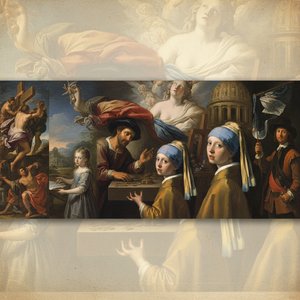
バロック美術の華!カラヴァッジョ、ベルニーニら巨匠が創り上げた10大名作を徹底解剖。ドラマチックな色彩と豪華絢爛の世界観に触れ、至宝のアートプリントで空間を彩ろう。Most-Famous-Paintings.comで美術館品質の複製と洗練されたインテリアを見つけましょう!


最新の美術ニュース、限定オファー、そしてインテリアのアイデアをいち早くお届けします。
お客様のプロジェクトについてお聞かせください。当社の美術専門家が、お客様に合わせた3つのパーソナライズされた芸術提案をご提供いたします。
あなたにぴったりの3作品を無料で厳選いたします


 プレビュー
プレビュー
 シェアする
シェアする シェアする
シェアする
 詳細を見る
詳細を見る

 ダウンロード
 似ている作品
 X線調査
X線調査 スライドショー
 詳細を見る
詳細を見る









 ガラスオプションは、110cm未満のサイズでのみご利用いただけます。


