x
迅速な制作と多彩な仕上げオプションを備えた、ミュージアムクオリティのジークレーまたはキャンバスプリント。 ( 手描きの絵画を購入 画像を購入)





























作品のオリジナル比率に合わせた、当店の規定サイズからお選びください。

特定のフレームやスペースに合わせて、ご自身でサイズを指定することも可能です。選択されたサイズが元の画像の比率と一致しない場合、作品をトリミングするか、鏡面反射または単色での塗りつぶしによって画像を拡張いたします。制作を開始する前に、ご確認用のデジタルモックアップをお送りいたします。
画面上のプレビューには、実際のトリミングや拡張は反映されませんのでご注意ください。最終的な構図を正確に確認できるのは、モックアップのみとなります。
カスタムサイズも承っておりますが、元の比率を維持するためには、あらかじめ用意されたリストからサイズを選択することをお勧めいたします。

Athene And The Centaur
複製画のサイズ
Sandro Botticelli’s “Athene and the Centaur,” a captivating oil painting from around 1482, isn't merely a depiction of mythological figures; it’s a carefully constructed allegory brimming with symbolism and reflecting the intellectual currents of the burgeoning Renaissance. This work, now housed within the Uffizi Gallery in Florence, offers a glimpse into Botticelli’s masterful command of classical themes, his meticulous attention to detail, and his ability to imbue seemingly simple scenes with profound meaning. The painting immediately draws the eye to Victoria – often identified as Pallas Athena, the Greek goddess of wisdom and strategic warfare – who stands poised and resolute in the foreground. Her armor, a testament to her authority, is adorned with laurel wreaths, symbols of victory and intellectual prowess. She’s not simply observing; she's actively intervening, grasping the centaur’s hair with a decisive gesture that halts his predatory advance.
The central figure of the centaur presents a compelling counterpoint to Victoria’s controlled power. He embodies primal instinct, untamed desire, and the allure of the natural world – a potent force constantly battling against reason and restraint. His muscular physique and aggressive stance suggest a raw, almost animalistic energy, while his bow is drawn, poised to unleash a deadly shot. The dynamic triangular composition—Victoria, the centaur, and the implied architectural backdrop—creates a sense of movement and tension, mirroring the ongoing struggle between opposing forces. Botticelli’s skill lies not just in rendering these figures realistically, but in conveying their inherent drama through posture, gesture, and expression.
Botticelli's technique is characterized by a remarkable layering of oil paints, building up complex forms and textures with painstaking precision. The artist masterfully employs chiaroscuro – the dramatic contrast between light and shadow – to highlight Victoria’s regal presence, casting her in a radiant glow while simultaneously emphasizing the darkness surrounding the centaur. Notice how the folds of his clothing are rendered with meticulous detail, mimicking the texture of fabric through subtle brushstrokes. Similarly, the landscape behind them—a river flowing towards distant hills—is painted with atmospheric perspective, creating a sense of depth and space that anchors the scene within a believable world.
The color palette is predominantly earthy – ochres, browns, and greens – punctuated by flashes of gold, particularly in Victoria’s armor and the architectural elements. This restrained use of vibrant hues contributes to the painting's overall sense of solemnity and gravitas. Botticelli’s attention to detail extends beyond mere representation; he uses color to subtly reinforce the symbolic meaning of the scene. The green foliage surrounding the centaur, for example, might represent the untamed wilderness from which he originates, while Victoria’s golden armor symbolizes her divine authority and victory over earthly passions.
“Athene and the Centaur” is deeply rooted in classical mythology. The story it depicts draws upon ancient Greek tales of Pallas Athena's confrontation with a centaur who attempted to seduce or harm her. However, Botticelli doesn’t simply recreate this myth; he transforms it into an allegory for broader Renaissance concerns. During the 15th century, Florence was experiencing a renewed interest in classical learning and philosophy, fueled by the rediscovery of ancient Greek texts. Humanists like Botticelli sought to integrate classical ideals—such as reason, virtue, and the balance between opposing forces—into their art.
The painting can be interpreted as an exploration of the tension between intellect and instinct, order and chaos. Victoria represents the triumph of reason and virtue over primal desires, while the centaur embodies the untamed instincts that threaten to disrupt social harmony. Furthermore, the inclusion of the Medici family’s emblem – three interlocking rings – on Victoria's attire suggests a deliberate connection to the powerful Florentine banking dynasty, subtly aligning the painting with their patronage and aspirations for civic virtue. It is a work rich in layers of meaning, inviting viewers to contemplate the complexities of human nature and the enduring power of classical ideals.
Botticelli’s “Athene and the Centaur” remains a profoundly moving and intellectually stimulating artwork. Most-Famous-Paintings offers meticulously crafted hand-painted reproductions that capture the essence of this Renaissance masterpiece, allowing you to bring its beauty and symbolism into your home or office. Our skilled artists faithfully recreate Botticelli's intricate details, vibrant colors, and dramatic lighting, ensuring that your reproduction is a true work of art in its own right. Whether you’re an art enthusiast, a collector, or simply seeking a stunning piece of décor, a Most-Famous-Paintings reproduction of “Athene and the Centaur” offers a timeless connection to one of the Renaissance's greatest artistic achievements.

1445年頃、フィレンツェで生まれたアレッサンドロ・ディ・マリアーノ・ディ・ヴァンニ・フィリペピ。後にサンドロ・ボッティチェリとして知られる彼は、初期ルネサンス期の最も重要な芸術家の一人であり、その作品は美と調和の象徴として、時代を超えて人々を魅了し続けています。彼の人生は、メディチ家の庇護のもと、フィレンツェという文化の中心地で展開され、芸術、哲学、文学が花開く時代を背景に、独自の芸術世界を築き上げました。
ボッティチェリの初期の教育については詳細は不明ですが、金細工師としての修行を経て、画家フィリッポ・リッピのもとで絵画技術を習得したことが知られています。リッピの影響を受けながらも、彼は独自のスタイルを確立し、アンтонио・デル・ポーライオーロやアンドレア・デル・ヴェロッキオといった同時代の巨匠からも影響を受けました。特に、彫刻的な人物描写と、繊細な線描が特徴的であり、彼の作品に独特の魅力を生み出しました。
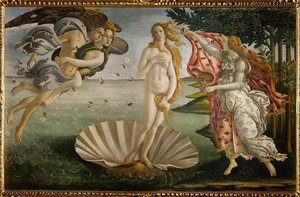
ボッティチェリの芸術の特徴は、その優雅で詩情豊かな表現にあります。「ヴィーナスの誕生」や「春(プリマヴェーラ)」に見られるように、古典古代の神話や寓意を題材に取り入れながら、独自の解釈と美意識に基づいた作品を生み出しました。これらの作品は、単なる物語の描写ではなく、愛、美、そして精神的な高揚といった普遍的なテーマを探求するものであり、ルネサンス期の人文主義思想を体現するものとして高く評価されています。彼の描く人物たちは、洗練された衣装を身につけ、優雅なポーズをとっており、まるで生きているかのような生命力に満ち溢れています。
ボッティチェリの作品は、その繊細な色彩と線描によって特徴づけられます。彼は、テンペラ画という技法を多用し、鮮やかな色彩と緻密な描写を実現しました。また、彼の作品には、銀筆(シルバーポイント)による下絵が施されていることが多く、その繊細なタッチは、最終的な作品の完成度を高めています。特に「ヴィーナスの誕生」におけるヴェーヌス像の肌の表現や、「春」における人物たちの衣装の描写は、彼の卓越した技術力の証と言えるでしょう。
15世紀末には、ドミニコ会の修道士ジロラモ・サヴォナローラの布教活動の影響を受け、ボッティチェリの芸術にも変化が見られます。サヴォナローラは、当時のフィレンツェにおける奢侈や退廃を厳しく非難し、宗教的な清貧と禁欲を説きました。その結果、ボッティチェリもまた、自身の作品に宗教的なテーマを取り入れ、より内省的で精神的な表現へと傾倒していったのです。
しかし、彼の晩年の作品は、当時の世情に受け入れられず、忘れ去られてしまうという憂き目に遭いました。19世紀に入り、前ラファエロ派の画家たちがボッティチェリの作品を再評価し、その芸術的な価値を広く知らしめました。彼らの熱心な支持によって、ボッティチェリはルネサンス期の最も重要な芸術家の一人として、再び脚光を浴びることになったのです。
今日、ボッティチェリの作品は、世界中の美術館に所蔵されており、多くの人々を魅了し続けています。彼の作品は、ルネサンス期における美意識と精神性を象徴するものであり、芸術史において不朽の名声を確立しています。特に「ヴィーナスの誕生」や「春」は、西洋美術の金字塔として、その地位を不動のものとしているのです。
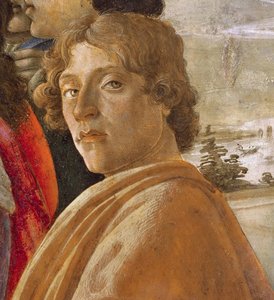
1445 - 1510 , イタリア

Explore the rigorous beauty of Academic Classicism. Discover the principles of order, precision, and historical reverence that define this timeless art movement through an expert guide to its enduring legacy and technical mastery.

Explore the profound history and technical brilliance of oil on panel painting. From Renaissance masters to modern techniques, discover why this rigid support offers unparalleled precision and permanence for fine art lovers and collectors.


最新の美術ニュース、限定オファー、そしてインテリアのアイデアをいち早くお届けします。
お客様のプロジェクトについてお聞かせください。当社の美術専門家が、お客様に合わせた3つのパーソナライズされた芸術提案をご提供いたします。
あなたにぴったりの3作品を無料で厳選いたします


 プレビュー
プレビュー
 シェアする
シェアする シェアする
シェアする
 詳細を見る
詳細を見る

 ダウンロード
 似ている作品
 X線調査
X線調査 スライドショー

 詳細を見る
詳細を見る









 ガラスオプションは、110cm未満のサイズでのみご利用いただけます。