x
当社のアーティストが、お客様のご希望のサイズと額縁に合わせて、キャンバスに手描きで制作する油彩画です。 ( プリント版に切り替え 画像に切り替え)





























作品のオリジナル比率に合わせた、当店の規定サイズからお選びください。

特定のフレームやスペースに合わせて、ご希望のサイズをご入力いただけます。選択されたサイズが元の画像の比率と異なる場合、アートワークをトリミングするか、手描きで要素を追加して絵画を拡張いたします。デジタルモックアップ を制作し、制作開始前にご確認(承認)をいただきます。
画面上のプレビューは、実際のトリミングや拡張を正確に反映しているものではありません。最終的な構図は、モックアップによってのみ正確にご確認いただけます。
カスタムサイズもご利用いただけますが、元の比率を維持するためには、あらかじめ用意されたリストからサイズを選択することをお勧めいたします。

Nativity
複製画のサイズ
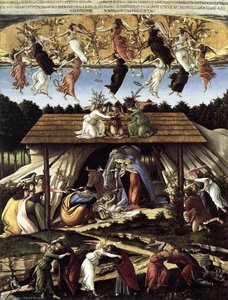
Sandro Botticelli’s 1500 painting, *The Mystic Nativity*, isn’t merely a depiction of the birth of Christ; it’s a profound meditation on faith, doubt, and the turbulent spiritual landscape of Renaissance Florence. Often shrouded in mystery due to its enigmatic composition and the artist's own cryptic inscription, this work invites viewers into a world where divine grace intersects with human vulnerability—a space that continues to resonate powerfully centuries later. It stands as a testament to Botticelli’s unique artistic vision, blending elements of late Gothic elegance with nascent Renaissance naturalism in a way that remains both captivating and unsettling.

To truly appreciate *The Mystic Nativity*, one must understand the historical and cultural climate in which it was created – Florence during the reign of Savonarola. The city, recently emerging from the Medici’s rule, was gripped by religious fervor and political instability. Savonarola's strict moral reforms had instilled a deep sense of anxiety and uncertainty, prompting many artists to explore themes of mortality, divine judgment, and the precariousness of earthly existence. Botticelli, deeply connected to the humanist circles surrounding Lorenzo de Medici, navigated this complex environment, producing works that reflected both his artistic skill and his own evolving spiritual perspective. The painting’s somber mood and ambiguous symbolism are inextricably linked to this era of profound social and religious upheaval.
Botticelli masterfully employs a rich tapestry of symbols to convey layers of meaning within the scene. The kneeling figure, hands clasped in prayer, represents humanity’s plea for divine guidance—a posture that speaks volumes about vulnerability and reliance on faith. The scattered birds, often interpreted as representing souls ascending to heaven, add an ethereal quality to the composition. The apples, a traditional symbol of temptation and sin, introduce a note of moral complexity, suggesting that even in moments of profound spiritual grace, humanity remains susceptible to earthly desires. The standing figure, holding an unidentified object – perhaps a staff or tool – could symbolize both earthly authority and the role of man in facilitating God’s plan.
Botticelli’s distinctive style is immediately apparent in *The Mystic Nativity*. He eschews the rigid, linear perspective favored by his contemporaries, opting instead for a softer, more atmospheric approach. The figures are rendered with graceful elegance and flowing lines, reminiscent of late Gothic art while simultaneously incorporating elements of Renaissance naturalism—particularly in the depiction of drapery and facial expressions. The use of muted colors and subtle gradations of light creates a sense of depth and atmosphere, drawing the viewer into the scene’s contemplative mood. Botticelli's masterful control of line and color, combined with his profound understanding of human emotion, elevates this work beyond a simple depiction of a biblical event to a powerful expression of spiritual longing.
Most-Famous-Paintings offers meticulously crafted hand-painted reproductions of Sandro Botticelli’s *Mystic Nativity*, allowing you to experience the beauty and complexity of this iconic masterpiece in your own home. Our artists replicate Botticelli's delicate brushstrokes, nuanced color palette, and evocative symbolism with unparalleled skill, ensuring that your reproduction captures the essence of this timeless work of art. Whether as a statement piece for your living room or a cherished addition to your collection, a Most-Famous-Paintings reproduction of *The Mystic Nativity* is a testament to Botticelli’s genius and a window into the soul of Renaissance Florence.

1445年頃、フィレンツェで生まれたアレッサンドロ・ディ・マリアーノ・ディ・ヴァンニ・フィリペピ。後にサンドロ・ボッティチェリとして知られる彼は、初期ルネサンス期の最も重要な芸術家の一人であり、その作品は美と調和の象徴として、時代を超えて人々を魅了し続けています。彼の人生は、メディチ家の庇護のもと、フィレンツェという文化の中心地で展開され、芸術、哲学、文学が花開く時代を背景に、独自の芸術世界を築き上げました。
ボッティチェリの初期の教育については詳細は不明ですが、金細工師としての修行を経て、画家フィリッポ・リッピのもとで絵画技術を習得したことが知られています。リッピの影響を受けながらも、彼は独自のスタイルを確立し、アンтонио・デル・ポーライオーロやアンドレア・デル・ヴェロッキオといった同時代の巨匠からも影響を受けました。特に、彫刻的な人物描写と、繊細な線描が特徴的であり、彼の作品に独特の魅力を生み出しました。
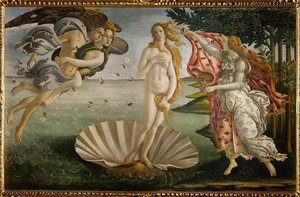
ボッティチェリの芸術の特徴は、その優雅で詩情豊かな表現にあります。「ヴィーナスの誕生」や「春(プリマヴェーラ)」に見られるように、古典古代の神話や寓意を題材に取り入れながら、独自の解釈と美意識に基づいた作品を生み出しました。これらの作品は、単なる物語の描写ではなく、愛、美、そして精神的な高揚といった普遍的なテーマを探求するものであり、ルネサンス期の人文主義思想を体現するものとして高く評価されています。彼の描く人物たちは、洗練された衣装を身につけ、優雅なポーズをとっており、まるで生きているかのような生命力に満ち溢れています。
ボッティチェリの作品は、その繊細な色彩と線描によって特徴づけられます。彼は、テンペラ画という技法を多用し、鮮やかな色彩と緻密な描写を実現しました。また、彼の作品には、銀筆(シルバーポイント)による下絵が施されていることが多く、その繊細なタッチは、最終的な作品の完成度を高めています。特に「ヴィーナスの誕生」におけるヴェーヌス像の肌の表現や、「春」における人物たちの衣装の描写は、彼の卓越した技術力の証と言えるでしょう。
15世紀末には、ドミニコ会の修道士ジロラモ・サヴォナローラの布教活動の影響を受け、ボッティチェリの芸術にも変化が見られます。サヴォナローラは、当時のフィレンツェにおける奢侈や退廃を厳しく非難し、宗教的な清貧と禁欲を説きました。その結果、ボッティチェリもまた、自身の作品に宗教的なテーマを取り入れ、より内省的で精神的な表現へと傾倒していったのです。
しかし、彼の晩年の作品は、当時の世情に受け入れられず、忘れ去られてしまうという憂き目に遭いました。19世紀に入り、前ラファエロ派の画家たちがボッティチェリの作品を再評価し、その芸術的な価値を広く知らしめました。彼らの熱心な支持によって、ボッティチェリはルネサンス期の最も重要な芸術家の一人として、再び脚光を浴びることになったのです。
今日、ボッティチェリの作品は、世界中の美術館に所蔵されており、多くの人々を魅了し続けています。彼の作品は、ルネサンス期における美意識と精神性を象徴するものであり、芸術史において不朽の名声を確立しています。特に「ヴィーナスの誕生」や「春」は、西洋美術の金字塔として、その地位を不動のものとしているのです。
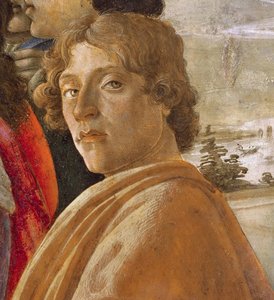
1445 - 1510 , イタリア
ラファエロの傑作25選🎨 ルネサンス巨匠の物語と芸術の世界を紐解きます。美しい絵画複製や壁掛けアートで、お部屋に名画の彩りを。Most-Famous-Paintings.comで、美術史に残る作品群をご覧ください✨

ウフィツィ美術館の至宝25選:ボッティチェリ、レオナルド・ダ・ヴィンチ…ルネサンス巨匠たちの傑作と感動的な物語を紐解きます。高品質な絵画複製やアートプリントで、お部屋に名画の輝きを。Most-Famous-Paintings.comで芸術の世界へ。

Explore the fascinating history of art collectors in Western painting, from Renaissance patrons to modern museum founders. Discover how portraits revealed status, shaped artistic movements & built lasting legacies. Expert insights at Most-Famous-Paintings.

Explore the transformative power of Renaissance art history! Discover iconic masterpieces by Piero della Francesca, Botticelli & Cranach the Elder. Uncover symbolism, techniques, and lasting influence – a guide for enthusiasts.

Explore the groundbreaking innovations & humanist ideals of Early Renaissance art (c. 1400-1500). Discover masterpieces by Botticelli, Fra Angelico & more. A deep dive for art enthusiasts.


最新の美術ニュース、限定オファー、そしてインテリアのアイデアをいち早くお届けします。
お客様のプロジェクトについてお聞かせください。当社の美術専門家が、お客様に合わせた3つのパーソナライズされた芸術提案をご提供いたします。
あなたにぴったりの3作品を無料で厳選いたします


 プレビュー
プレビュー
 シェアする
シェアする シェアする
シェアする
 詳細を見る
詳細を見る

 ダウンロード
 似ている作品
 X線調査
X線調査 スライドショー
 詳細を見る
詳細を見る









 ガラスオプションは、110cm未満のサイズでのみご利用いただけます。