x





























作品のオリジナル比率に合わせた、当店の規定サイズからお選びください。

特定のフレームやスペースに合わせて、ご希望のサイズをご入力いただけます。選択されたサイズが元の画像の比率と異なる場合、アートワークをトリミングするか、手描きで要素を追加して絵画を拡張いたします。デジタルモックアップ を制作し、制作開始前にご確認(承認)をいただきます。
画面上のプレビューは、実際のトリミングや拡張を正確に反映しているものではありません。最終的な構図は、モックアップによってのみ正確にご確認いただけます。
カスタムサイズもご利用いただけますが、元の比率を維持するためには、あらかじめ用意されたリストからサイズを選択することをお勧めいたします。

The Flight into Egypt
複製画のサイズ
Sandro Botticelli’s “The Flight into Egypt” is more than just a biblical narrative; it’s a poignant meditation on faith, family, and the perilous beauty of escape. Painted during the height of the Early Renaissance in Florence around 1490-1496, this masterpiece captures a pivotal moment from Matthew's Gospel with an arresting blend of grace, movement, and subtly layered symbolism. The painting’s immediate impact lies in its dynamic composition – Mary, Joseph, and the infant Jesus are depicted not as static figures but as participants in a desperate, urgent journey, their bodies poised mid-stride, conveying a palpable sense of forward momentum.
Beyond its straightforward depiction of the biblical story, “The Flight into Egypt” is replete with symbolic elements. The donkey, a humble beast of burden, represents Jesus' future role as a servant and sacrifice. The horse, traditionally associated with royalty and power, perhaps alludes to Herod’s authority and the threat he poses. The two birds soaring above, often interpreted as angels, symbolize divine guidance and protection. The landscape itself – a hazy, dreamlike expanse – reinforces the sense of uncertainty and the spiritual journey undertaken by the family. Botticelli's use of color is particularly significant; the cool blues and greens evoke a sense of serenity amidst the turmoil, while touches of red—perhaps in the garments—add an element of dramatic intensity.
Botticelli’s “The Flight into Egypt” was created during a period of immense artistic and intellectual ferment in Florence. The rise of humanism – emphasizing classical learning and individual potential – profoundly influenced Renaissance art, as evidenced by the painting's idealized figures and its engagement with timeless themes. Botticelli’s work was highly sought after by wealthy patrons, including the Medici family, who commissioned numerous religious paintings for churches and private collections. This commission reflects the importance of religious patronage in supporting artistic innovation during the Early Renaissance. The painting stands as a testament to Botticelli's ability to synthesize classical ideals with Christian iconography, solidifying his position as one of the most celebrated artists of his time.
“The Flight into Egypt” continues to resonate with viewers centuries after its creation. The painting’s emotional power lies in its portrayal of a deeply personal and universal theme – the protection of family, the courage to face adversity, and the unwavering belief in something greater than oneself. A hand-painted reproduction of this iconic work captures not only the visual beauty of Botticelli's masterpiece but also the profound sense of wonder and spiritual contemplation that it evokes. Most-Famous-Paintings offers meticulously crafted reproductions using archival materials, ensuring that you can experience the enduring legacy of this extraordinary artwork in your own home or office.

1445年頃、フィレンツェで生まれたアレッサンドロ・ディ・マリアーノ・ディ・ヴァンニ・フィリペピ。後にサンドロ・ボッティチェリとして知られる彼は、初期ルネサンス期の最も重要な芸術家の一人であり、その作品は美と調和の象徴として、時代を超えて人々を魅了し続けています。彼の人生は、メディチ家の庇護のもと、フィレンツェという文化の中心地で展開され、芸術、哲学、文学が花開く時代を背景に、独自の芸術世界を築き上げました。
ボッティチェリの初期の教育については詳細は不明ですが、金細工師としての修行を経て、画家フィリッポ・リッピのもとで絵画技術を習得したことが知られています。リッピの影響を受けながらも、彼は独自のスタイルを確立し、アンтонио・デル・ポーライオーロやアンドレア・デル・ヴェロッキオといった同時代の巨匠からも影響を受けました。特に、彫刻的な人物描写と、繊細な線描が特徴的であり、彼の作品に独特の魅力を生み出しました。
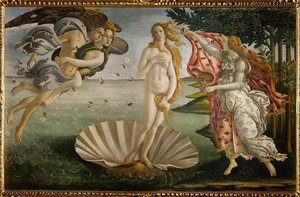
ボッティチェリの芸術の特徴は、その優雅で詩情豊かな表現にあります。「ヴィーナスの誕生」や「春(プリマヴェーラ)」に見られるように、古典古代の神話や寓意を題材に取り入れながら、独自の解釈と美意識に基づいた作品を生み出しました。これらの作品は、単なる物語の描写ではなく、愛、美、そして精神的な高揚といった普遍的なテーマを探求するものであり、ルネサンス期の人文主義思想を体現するものとして高く評価されています。彼の描く人物たちは、洗練された衣装を身につけ、優雅なポーズをとっており、まるで生きているかのような生命力に満ち溢れています。
ボッティチェリの作品は、その繊細な色彩と線描によって特徴づけられます。彼は、テンペラ画という技法を多用し、鮮やかな色彩と緻密な描写を実現しました。また、彼の作品には、銀筆(シルバーポイント)による下絵が施されていることが多く、その繊細なタッチは、最終的な作品の完成度を高めています。特に「ヴィーナスの誕生」におけるヴェーヌス像の肌の表現や、「春」における人物たちの衣装の描写は、彼の卓越した技術力の証と言えるでしょう。
15世紀末には、ドミニコ会の修道士ジロラモ・サヴォナローラの布教活動の影響を受け、ボッティチェリの芸術にも変化が見られます。サヴォナローラは、当時のフィレンツェにおける奢侈や退廃を厳しく非難し、宗教的な清貧と禁欲を説きました。その結果、ボッティチェリもまた、自身の作品に宗教的なテーマを取り入れ、より内省的で精神的な表現へと傾倒していったのです。
しかし、彼の晩年の作品は、当時の世情に受け入れられず、忘れ去られてしまうという憂き目に遭いました。19世紀に入り、前ラファエロ派の画家たちがボッティチェリの作品を再評価し、その芸術的な価値を広く知らしめました。彼らの熱心な支持によって、ボッティチェリはルネサンス期の最も重要な芸術家の一人として、再び脚光を浴びることになったのです。
今日、ボッティチェリの作品は、世界中の美術館に所蔵されており、多くの人々を魅了し続けています。彼の作品は、ルネサンス期における美意識と精神性を象徴するものであり、芸術史において不朽の名声を確立しています。特に「ヴィーナスの誕生」や「春」は、西洋美術の金字塔として、その地位を不動のものとしているのです。
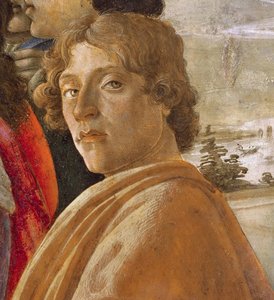
1445 - 1510 , イタリア

Explore the dramatic world of Italian Baroque art. Discover how masters like Caravaggio used chiaroscuro and tenebrism to revolutionize painting through light, shadow, and profound realism. A definitive guide for history lovers and art collectors.


最新の美術ニュース、限定オファー、そしてインテリアのアイデアをいち早くお届けします。
お客様のプロジェクトについてお聞かせください。当社の美術専門家が、お客様に合わせた3つのパーソナライズされた芸術提案をご提供いたします。
あなたにぴったりの3作品を無料で厳選いたします


 プレビュー
プレビュー
 プリントを購入
 シェアする
シェアする シェアする
シェアする
 詳細を見る
詳細を見る

 ダウンロード
 似ている作品
 X線調査
X線調査 スライドショー
 詳細を見る
詳細を見る









 ガラスオプションは、110cm未満のサイズでのみご利用いただけます。