


x

 Oil On CanvasWallArtPre-Raphaelite Revival
 1851
1851 76.0 x 112.0 cm
 Tate Gallery
迅速な制作と多彩な仕上げオプションを備えた、ミュージアムクオリティのジークレーまたはキャンバスプリント。 ( 手描き画への切り替え 画像に切り替え)





























作品のオリジナル比率に合わせた、当店の規定サイズからお選びください。

特定のフレームやスペースに合わせて、ご自身でサイズを指定することも可能です。選択されたサイズが元の画像の比率と一致しない場合、作品をトリミングするか、鏡面反射または単色での塗りつぶしによって画像を拡張いたします。制作を開始する前に、ご確認用のデジタルモックアップをお送りいたします。
画面上のプレビューには、実際のトリミングや拡張は反映されませんのでご注意ください。最終的な構図を正確に確認できるのは、モックアップのみとなります。
カスタムサイズも承っておりますが、元の比率を維持するためには、あらかじめ用意されたリストからサイズを選択することをお勧めいたします。

Ophelia
複製画のサイズ
Sir John Everett Millais' "Ophelia," completed between 1851 and 1852, is more than just a painting; it’s an immersive experience. This iconic Pre-Raphaelite masterpiece transports the viewer to the heart of Shakespeare’s tragedy, capturing a poignant and unforgettable scene from *Hamlet*. The image depicts Ophelia, adrift in a stream amidst a riot of wildflowers, her expression a mixture of sorrow, resignation, and ethereal beauty. Millais' meticulous attention to detail—from the delicate folds of her dress to the vibrant hues of the surrounding flora—creates an astonishingly realistic and emotionally resonant portrayal of a young woman on the brink of oblivion.
The painting’s genesis is deeply intertwined with the Pre-Raphaelite Brotherhood’s revolutionary approach to art. Rejecting the idealized, polished style of academic painting, the brotherhood championed truth to nature, detailed observation, and a return to the artistic principles of the Renaissance before Raphael. Millais, a founding member, embraced this ethos wholeheartedly, spending weeks meticulously sketching and studying the actual location – the Hogsmill River in Surrey—to ensure an unparalleled level of accuracy. He even employed a model, Elizabeth Siddal, who spent hours submerged in a bathtub to achieve the languid pose and realistic depiction of Ophelia’s drowned state, a practice considered radical for its time.
Beyond its stunning realism, “Ophelia” is rich with symbolic meaning. Each flower meticulously placed around her body carries a specific significance, woven into the fabric of Shakespeare's original text and offering layers of interpretation. Daisies represent innocence and purity—a poignant contrast to Ophelia’s tragic fate. Violets symbolize faithfulness and chastity, while poppies, scattered amongst the daisies, are associated with death and sleep. The willow tree weeping over her represents sorrow and mourning, mirroring Ophelia's own grief. Millais deliberately employed this floral lexicon to deepen the painting’s narrative and invite viewers to contemplate the complexities of love, loss, and madness.
The composition itself is carefully constructed to heighten the emotional impact. The stream flows diagonally across the canvas, drawing the eye towards Ophelia's face and creating a sense of movement and vulnerability. Her pale complexion, accentuated by the diffused light filtering through the foliage, evokes a feeling of otherworldly beauty and fragility. The overall effect is one of serene melancholy—a visual poem capturing the essence of Shakespeare’s tragic heroine.
Millais' mastery of technique is evident in every brushstroke. He employed a layering method, building up color gradually to achieve an astonishing level of detail and luminosity. His use of light—particularly the dappled sunlight filtering through the trees—creates a sense of atmosphere and depth, immersing the viewer within the scene. The painting’s surface is remarkably smooth, achieved through meticulous glazing techniques, further enhancing its realism.
Furthermore, Millais' innovative approach to depicting water was groundbreaking for his time. He meticulously studied reflections and ripples, capturing the shimmering quality of the stream with remarkable precision. This commitment to naturalism extended beyond mere representation; he sought to evoke the *feeling* of being immersed in that watery world—a testament to his artistic vision.
"Ophelia" remains one of the most beloved and recognizable paintings in the Pre-Raphaelite canon. Its enduring appeal lies not only in its technical brilliance but also in its profound emotional resonance. It continues to captivate audiences with its depiction of beauty, tragedy, and the delicate balance between life and death.
Today, high-quality reproductions of “Ophelia” are available through Most-Famous-Paintings.com, offering art enthusiasts a chance to bring this iconic masterpiece into their homes or offices. Whether you appreciate it as a work of historical significance, an exploration of symbolism, or simply a stunning example of artistic skill, "Ophelia" continues to hold a powerful and enduring place in the hearts of viewers worldwide.


1829 - 1896 , イギリス

ダンテ・ガブリエル・ロセッティの傑作25選。プレラファエライトの象徴主義、美しい女性画の世界へ。油絵やアートプリントで、リビングや寝室を彩るインテリアアートを見つけましょう。Most-Famous-Paintings.comで名画コレクションを探索。
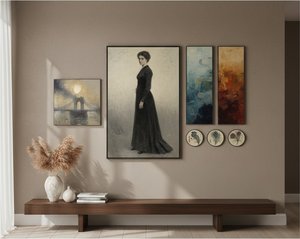
ジェームズ・マクニール・ホイストラーの至高の25選。ノクターン、印象派、美しい色彩に満ちた作品群を紐解きます。Most-Famous-Paintingsで高品質なアートプリントとインテリアをお楽しみください。名画の世界へ – Most-Famous-Paintings.com

メトロポリタン美術館の至宝25選。モネ、ゴッホ、レンブラント…名画に秘められた物語と技法を紐解きます。印象派からルネサンスまで、時代を超えて輝く芸術作品をウォールアートで暮らしに取り入れませんか?Most-Famous-Paintings.comで全コレクションをご覧ください。
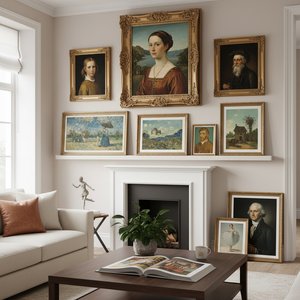
ワシントン美術館の至宝25選。セザンヌ、マティス、ピカソ…名画に秘められた物語と色彩を紐解きます。Most-Famous-Paintingsで高品質な絵画複製やインテリアアートを見つけ、お部屋に芸術の輝きを。今すぐコレクションをご覧ください!
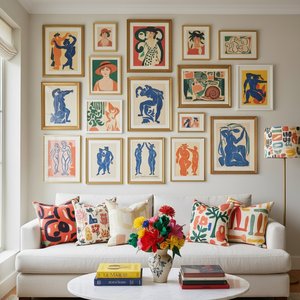
アンリ・マティスの傑作25選🎨 色彩と情熱が織りなす世界を旅する。フォーヴィスム代表の巨匠、マティスの絵画の魅力と歴史を紐解きます。Most-Famous-Paintingsで高品質なアートプリントや複製画を見つけ、インテリアに芸術的な輝きを✨ Explore the full collection online


最新の美術ニュース、限定オファー、そしてインテリアのアイデアをいち早くお届けします。
お客様のプロジェクトについてお聞かせください。当社の美術専門家が、お客様に合わせた3つのパーソナライズされた芸術提案をご提供いたします。
あなたにぴったりの3作品を無料で厳選いたします


 プレビュー
プレビュー
 シェアする
シェアする シェアする
シェアする
 詳細を見る
詳細を見る

 ダウンロード
 似ている作品
 X線調査
X線調査 スライドショー
 詳細を見る
詳細を見る









 ガラスオプションは、110cm未満のサイズでのみご利用いただけます。


