x





























作品のオリジナル比率に合わせた、当店の規定サイズからお選びください。

特定のフレームやスペースに合わせて、ご希望のサイズをご入力いただけます。選択されたサイズが元の画像の比率と異なる場合、アートワークをトリミングするか、手描きで要素を追加して絵画を拡張いたします。デジタルモックアップ を制作し、制作開始前にご確認(承認)をいただきます。
画面上のプレビューは、実際のトリミングや拡張を正確に反映しているものではありません。最終的な構図は、モックアップによってのみ正確にご確認いただけます。
カスタムサイズもご利用いただけますが、元の比率を維持するためには、あらかじめ用意されたリストからサイズを選択することをお勧めいたします。

Saint Peter
複製画のサイズ
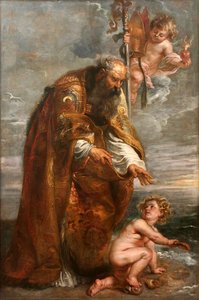
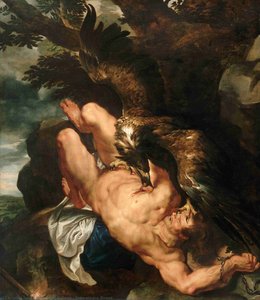
Peter Paul Rubens’s “Saint Peter” is more than just a portrait; it's a vibrant embodiment of the artist’s signature style – a dynamic, emotionally charged depiction of one of Christianity’s most revered figures. Completed in 1618 during a pivotal period in his career, this painting offers a profound glimpse into the heart of the Flemish Baroque and its engagement with both classical ideals and the fervor of the Counter-Reformation. The work, currently residing within the Kunstsammlungen Graf von Schönborn Pommersfelden in Schloss Weißenstein, Germany, stands as a testament to Rubens’s unparalleled ability to infuse religious iconography with life, movement, and an almost palpable sense of drama.
Rubens's artistic approach is immediately striking. He eschews the static formality often associated with depictions of saints, instead presenting Saint Peter in a posture of confident authority, his hand outstretched as if offering guidance or bearing witness to a momentous event. The composition itself is meticulously crafted – a carefully balanced arrangement of form and color that draws the eye directly to the central figure. Notice how Rubens utilizes diagonal lines, particularly those created by Peter’s robe and gesture, to generate a sense of forward momentum, suggesting an active role in the narrative rather than a passive recipient of divine grace.
Rubens was renowned for his mastery of oil on canvas, employing a technique that prioritized intense color saturation and dramatic lighting. In “Saint Peter,” he skillfully manipulates *chiaroscuro* – the interplay of light and dark – to sculpt the figure’s form and heighten its emotional impact. The deep shadows enveloping much of the background contrast sharply with the luminous glow illuminating Peter, creating a powerful sense of depth and drawing attention to his central position within the composition. The rich palette—a symphony of reds, blues, and golds—is characteristic of Rubens's style, reflecting both the opulence of the Counter-Reformation and his deep understanding of color theory.
At the heart of the painting lies the symbolic significance of Saint Peter’s gesture. He holds a key in his hand – an unmistakable reference to his role as the keeper of heaven's gates, as recounted in Matthew 16:19. This potent symbol immediately establishes Peter’s authority and importance within the Christian narrative. The richly embroidered robe, indicative of his elevated status as Pope, further emphasizes this symbolic weight. Beyond the key, subtle details contribute to the painting’s layered meaning; the beard and mustache, rendered with meticulous realism, convey a sense of wisdom and experience, while the overall posture exudes both humility and strength.
The backdrop of “Saint Peter” is dominated by a dramatic, almost stormy sky – a deliberate choice that amplifies the painting’s emotional intensity. This use of atmospheric perspective, coupled with the strong contrasts between light and shadow, creates a sense of depth and drama reminiscent of Baroque art. The dark, brooding background serves not merely as a setting but as an active participant in the scene, mirroring Peter's own role as a beacon of hope amidst uncertainty. The composition is carefully balanced, ensuring that Peter remains the focal point while also incorporating elements that suggest a broader narrative context – perhaps hinting at his martyrdom or his leadership within the early Church.
Created during a period of intense religious and artistic renewal, “Saint Peter” reflects the Counter-Reformation’s emphasis on emotional engagement and dramatic storytelling. Rubens's workshop in Antwerp was a hub for artistic innovation, producing works that catered to both aristocratic patrons and the burgeoning Catholic Church. His style profoundly influenced subsequent generations of artists, notably Anthony van Dyck, who adopted Rubens’s dynamic compositions and vibrant color palettes, particularly in his portraits of English nobility. The painting’s enduring appeal lies not only in its technical brilliance but also in its ability to capture the essence of a pivotal figure within Christian history – a testament to Peter Paul Rubens's genius as one of the greatest artists of the Baroque era.


1577 - 1640 , ドイツ
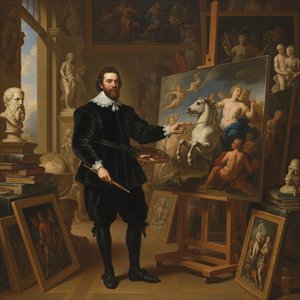
Discover the life & art of Peter Paul Rubens, the most influential artist of the Flemish Baroque tradition. Explore his masterpieces, legacy, and impact on art history with Most-Famous-Paintings.

Explore the dramatic brilliance of the Flemish Baroque movement. Discover how masters like Peter Paul Rubens utilized chiaroscuro and dynamic composition to redefine art history through light, shadow, and unparalleled emotion.

Explore the grandeur of Baroque portraiture! Discover Rubens, Van Dyck & the masters of 17th-century art. Uncover symbolism, techniques & lasting influence. Expert insights for collectors and enthusiasts.

Embark on a sophisticated journey through art history with our exploration of Saint Peter's most powerful masterpieces. Discover the profound emotional depth and technical brilliance of Renaissance and Baroque icons, curated for the discerning classic art enthusiast.
バロック美術の華!カラヴァッジョ、ベルニーニら巨匠が創り上げた10大名作を徹底解剖。ドラマチックな色彩と豪華絢爛の世界観に触れ、至宝のアートプリントで空間を彩ろう。Most-Famous-Paintings.comで美術館品質の複製と洗練されたインテリアを見つけましょう!


最新の美術ニュース、限定オファー、そしてインテリアのアイデアをいち早くお届けします。
お客様のプロジェクトについてお聞かせください。当社の美術専門家が、お客様に合わせた3つのパーソナライズされた芸術提案をご提供いたします。
あなたにぴったりの3作品を無料で厳選いたします


 プレビュー
プレビュー
 プリントを購入
 シェアする
シェアする シェアする
シェアする
 詳細を見る
詳細を見る

 ダウンロード
 似ている作品
 X線調査
X線調査 スライドショー


 詳細を見る
詳細を見る









 ガラスオプションは、110cm未満のサイズでのみご利用いただけます。