


x
迅速な制作と多彩な仕上げオプションを備えた、ミュージアムクオリティのジークレーまたはキャンバスプリント。 ( 手描きの絵画を購入 画像を購入)





























作品のオリジナル比率に合わせた、当店の規定サイズからお選びください。

特定のフレームやスペースに合わせて、ご自身でサイズを指定することも可能です。選択されたサイズが元の画像の比率と一致しない場合、作品をトリミングするか、鏡面反射または単色での塗りつぶしによって画像を拡張いたします。制作を開始する前に、ご確認用のデジタルモックアップをお送りいたします。
画面上のプレビューには、実際のトリミングや拡張は反映されませんのでご注意ください。最終的な構図を正確に確認できるのは、モックアップのみとなります。
カスタムサイズも承っておりますが、元の比率を維持するためには、あらかじめ用意されたリストからサイズを選択することをお勧めいたします。

Vertical Lines, Not Touching
複製画のサイズ
Solomon Lewitt's "Vertical Lines, Not Touching," created in 1970, isn’t merely a drawing; it’s an architectural meditation rendered in graphite on paper. This deceptively simple work embodies the core tenets of minimalism—a movement that sought to strip art down to its essential elements, prioritizing process and concept over ornamentation or representational imagery. The piece immediately commands attention not through vibrant color or dramatic form, but through a profound sense of order and contained energy. It’s an invitation to contemplate the beauty found within repetition and the quiet power of geometric precision.
At first glance, “Vertical Lines, Not Touching” presents a starkly minimalist composition: a square defined by a grid of closely spaced vertical lines. The meticulous execution is key to its impact; each line is drawn with deliberate control, creating a surface that subtly suggests texture through the density of its markings. The choice of monochromatic gray reinforces this sense of austerity and focuses attention entirely on the structure itself. Lewitt’s approach was deeply rooted in mathematics and geometry – disciplines he studied extensively early in his career – reflecting a belief that art could be understood and appreciated through rational, logical systems. The title, “Vertical Lines, Not Touching,” isn't just descriptive; it’s a statement of principle, highlighting the fundamental constraint upon which the entire piece is built.
Created during a pivotal moment in art history – the late 1960s and early 70s – “Vertical Lines, Not Touching” aligns perfectly with the burgeoning minimalist movement. Artists like Donald Judd and Carl Andre were pushing against traditional notions of sculpture, favoring industrial materials and geometric forms. However, Lewitt’s approach differed subtly; he often employed a ‘wall drawing’ technique, creating works that could be executed by multiple assistants simultaneously, emphasizing the collaborative nature of art-making and blurring the lines between artist and participant. This concept – the idea that the process itself is as important as the finished product – became central to Lewitt's practice and profoundly influenced subsequent generations of conceptual artists.
While seemingly devoid of overt symbolism, “Vertical Lines, Not Touching” invites a deeper interpretation. The strict grid evokes notions of order, control, and even confinement – perhaps reflecting the anxieties of a rapidly changing world. The repetition of the lines creates a hypnotic effect, drawing the viewer into a state of quiet contemplation. It’s a work that rewards patient observation, revealing subtle variations in tone and texture that suggest depth and complexity beneath its surface simplicity. The “not touching” aspect reinforces this sense of restraint, suggesting a deliberate avoidance of conflict or disruption – a powerful statement about harmony and balance.
Today, "Vertical Lines, Not Touching" remains a significant work in the canon of minimalist art. Its clean lines and understated elegance make it an ideal choice for contemporary interior design, adding a touch of sophisticated restraint to any space. High-quality reproductions capture the subtle nuances of Lewitt’s technique, allowing viewers to appreciate the meticulous detail that defines this iconic piece. When considering a reproduction, remember that the essence of the work lies not just in its visual appearance but also in the conceptual framework it represents – a testament to the power of simplicity and the enduring appeal of geometric abstraction.

20世紀モダニズムという広大な風景において、ソロモン・ルウィットほど長く、そして知的に深い影を落とした人物は稀です。1928年9月9日、コネチカット州ハートフォードにてロシアからのユダヤ人移民の家庭に生まれたルウィットの歩みは、単なる物理的な実行よりも、純粋な思考の追求によって定義されるものでした。彼の幼少期は、厳格な分析的好奇心によって形作られ、その特性は1945年から1949年にかけてのシラキュース大学での学びによって育まれました。数学と幾何学におけるこの学問的基盤は、後に彼の芸術言語の鼓動そのものとなり、伝統的な芸術が持つ装飾的な過剰さを削ぎ落とし、論理と構造という骨格的な美しさを露わにすることを可能にしたのです。
芸術家としてのルウィットの進化は、突然の断絶ではなく、形あるものから概念的なものへの意図的な移行でした。初期の探求においては、絵画やドローイングの触覚的な性質に触れていましたが、彼はやがて、描かれた線そのものよりも、その線の背後にあるアイデアに強く惹かれるようになっていきました。この転換は、ミニマリズムとコンセプチュアル・アートの溝を埋める先駆者の誕生を告げるものでした。彼は芸術家を、手作業に縛られた職人としてではなく、「指示書の建築家」として捉え始めたのです。完成された物体よりも精神的な設計図を優先することで、ルウィットは作者という定義そのものに挑戦し、ひとたびアイデアが構想されれば、その物理的な具現化は単なる二次的な結果に過ぎないことを示唆しました。
1960年代後半、ルウィットの象徴的なウォール・ドローイング(壁画)の登場により、現代美術における最も急進的な変容の一つが起こりました。伝統的な彫刻が持つ永続性や希少性を拒絶し、彼は「構造物(ストラクチャー)」という概念を導入しました。これは、その数学的な本質を強調するために、彼が「彫刻」よりも好んで用いた言葉です。そして、指示に従う訓練を受けた者であれば誰でも実行できる一連の指示書を生み出しました。これらの作品は単なる装飾ではなく、生きた体験そのものでした。精密な幾何学模様、弧、そして組み合わさる形状によって構成され、それらが置かれた建築空間に生命を吹き込んでいたのです。
ルウィットのウォール・ドローイングを目の当たりにすることは、論理が詩へと変容する瞬間を目撃することに他なりません。Black with White Lines, Vertical Not Touchingに見られる峻厳でリズム感のある反復であれ、Wall Drawing #1091: arcs, circles and bandsの鮮やかで溢れんばかりのエネルギーであれ、彼の作品は空間を支配するために線の力を利用していました。これらの作品はしば通り、アシスタントや美術館の設置者に制作を導く、論理的かつ数学的な指示体系に依拠していました。この手法は、創造という行為を民主化すると同時に、コンセプトの重要性を高め、作品が壁に触れる以前に、根本的には知的な火花として存在することを確かなものにしたのです。
版画、写真、インスタレーションにおける熟達を含め、数十年にわたる多作なキャリアを通じて、ルウィットは明晰さと精密さへのコミットメントを揺るぎないものとして貫きました。純白の鮮烈なピラミッドや、クレヨンを用いた壁画作品の複雑で色彩豊かなリズムなど、最も単純な形態の中に深い美を見出す彼の能力は、20世紀後半の美学的境界を再定義しました。彼は、芸術からエゴや装飾を取り除いたとしても、秩序と発見を求める人間の欲望に深く共鳴する魂を、なお保持し続けることができるのだと証明したのです。
ソル・ルウィットの歴史的な重要性は、いくら強調してもしすぎることはありません。彼は、思考と物質の境界を探求するための語彙を、後世の芸術家たちに提供しました。彼の遺産は、創造者と実行者の境界が曖昧になり、アイデアの強さが究極の媒体として認められるあらゆる美術館やギャラリーの中で生き続けています。ハートフォードでの始まりから、2007年にニューヨークで迎えた最期まで、彼の生涯を振り返るとき、私たちは単に芸術を作った人物ではなく、思考そのものの深遠な建築を見出す方法を私たちに教えてくれた人物を見出すのです。

1928 - 2007 , アメリカ合衆国
Find the perfect meaningful birthday gift! Explore 10 iconic artworks – from Van Gogh to Monet – and their inspiring stories. Discover museum-quality art prints & curated decor ideas at .

Find meaningful art gifts for corporate clients! Explore 10 iconic paintings – Van Gogh, Monet & more – and their inspiring stories. Museum-quality reproductions at . Discover the perfect executive gift today!

Discover the strategic power of executive desk art for impactful recognition gifting. Expert guidance on selecting luxury gifts that foster loyalty, strengthen relationships & elevate your brand. Learn more!
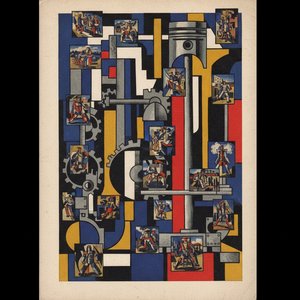
フェルナン・レジェの傑作25選。機械美と色彩が織りなすキュビズムの世界を紐解きます。Most-Famous-Paintingsで、フランス絵画の巨匠レジェの作品を高精細プリントで。インテリアアートやギフトにも最適です。全コレクションはこちら: Most-Famous-Paintings.com

Discover how strategic art gifting boosts brand loyalty & ROI. Expert insights on personalized gifts, employee recognition, & building lasting corporate relationships. Learn more!


最新の美術ニュース、限定オファー、そしてインテリアのアイデアをいち早くお届けします。
お客様のプロジェクトについてお聞かせください。当社の美術専門家が、お客様に合わせた3つのパーソナライズされた芸術提案をご提供いたします。
あなたにぴったりの3作品を無料で厳選いたします


 プレビュー
プレビュー
 シェアする
シェアする シェアする
シェアする
 詳細を見る
詳細を見る

 ダウンロード
 似ている作品
 X線調査
X線調査 スライドショー


 詳細を見る
詳細を見る









 ガラスオプションは、110cm未満のサイズでのみご利用いただけます。


