


x
 Oil On CanvasWallArtAbstract Art
 1930Modern
 70.0 x 60.0 cm
オンラインプレビューをはるかに凌ぐ、高解像度で鮮明なデジタル画像をご購入いただけます。
各ファイルは、社内の専門家が高度なツールと熟練した手作業によるレタッチを用いて、細心の注意を払って準備されています。すべての画像において、卓越した鮮明度、正確な色彩再現性、そして繊細なディテールを保証いたします。
最終ファイルは、プロフェッショナルな編集・印刷環境ですぐにご利用いただけるよう最適化された状態で、72時間以内にメールにてお届けいたします。これは、一流のデザインスタジオ、出版社、ギャラリーから信頼されているものと同等の品質です。
Most-Famous-Paintings.com を選ぶことは、単に画像を手に入れることではありません。それは、プロの手によって精密に仕上げられ、満足保証が付いた高品質なデジタルアートワークを受け取ることを意味します。ご注文いただいた際に自動的に付随する内容は、以下の通りです:

ご注文から72時間以内に、高解像度のデジタル画像ファイルがメールでお手元に届きます。すぐにそのままご利用いただけます。

お客様の作品は、高度なAIツールと専門家による手作業の編集を組み合わせてプロフェッショナルに最適化されており、細部のディテール、鮮明さ、そして正確な色再現性を最大限に引き出しています。

ファイルを誤って削除したり、紛失してしまったりしましたか?ご安心ください。いつでも無料で再送いたします。

関税や手数料、配送料を気にすることなく、お気に入りのアートワークをすぐにお楽しみいただけます。デジタルダウンロードは常に免税です。

プロ仕様のツールとカラーマネジメント技術を用いることで、デジタル画像が元の色を最大限に忠実に再現することを保証いたします。

ご購入いただいたデジタル画像にご満足いただけない場合は、60日以内であれば、修正または100%の返金(理由を問う必要はありません)をさせていただきます。

ご満足いただけない場合は、デジタルファイルを受け取ってから60日以内であれば、理由を問わず全額返金いたします。

3枚購入で10%OFF - 5枚購入で15%OFF - 10枚以上購入で20%OFF。クリエイティブなプロジェクト、ギャラリー、エージェンシーに最適です。
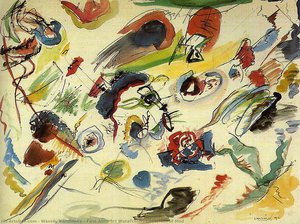
Wassily Kandinsky’s “Three Rectangles,” painted in 1930, isn't merely a depiction of geometric forms; it’s an invitation to a deeply personal and profoundly moving experience. This seminal work from the heart of his abstract period embodies the core tenets of Kandinsky’s revolutionary approach to art – that color and shape could directly communicate emotion and meaning, bypassing the need for representational imagery. The painting, measuring 70 x 60 cm, is a testament to his belief in the power of pure abstraction, a philosophy he meticulously developed over decades of experimentation.
Kandinsky’s palette for “Three Rectangles” is both restrained and intensely vibrant. He masterfully employs a carefully considered selection of hues – the assertive reds, the cool blues, the sunny yellows, the delicate pinks, and the warm oranges – each chosen not just for its visual appeal but for its capacity to evoke specific emotional responses. The rectangles themselves aren’t static; they seem to pulse with an internal energy, their placement within the composition creating a dynamic interplay of space and movement. Notice how the red rectangle, often associated with passion and vitality, dominates the center, drawing the eye while simultaneously suggesting a grounding force. The blue and yellow rectangles, positioned on either side, offer counterpoints – a sense of serenity alongside energetic dynamism.
Kandinsky’s approach to composition in “Three Rectangles” is radically different from traditional Western painting. He deliberately eschewed the illusionistic techniques of perspective and realism, instead focusing on the inherent qualities of color and shape themselves. The rectangles aren't placed within a defined space; rather, they exist as independent entities, interacting with each other through their colors and relationships. This creates an almost three-dimensional effect, inviting the viewer to step into the painting and experience it from multiple perspectives. The subtle variations in size and orientation of the rectangles contribute to this sense of depth and complexity, suggesting a carefully orchestrated balance between order and chaos.
While Kandinsky famously declared that he sought to paint “the purely spiritual,” the symbolism within "Three Rectangles" remains open to interpretation. Some scholars suggest the rectangles represent musical notes, reflecting Kandinsky’s lifelong fascination with music and his belief in its inherent connection to art. Others see them as symbols of human emotions – red for passion, blue for contemplation, yellow for joy. Regardless of a definitive reading, the painting undeniably taps into universal emotional experiences, resonating with viewers on a deeply intuitive level. It's crucial to remember that Kandinsky wasn’t aiming to depict a concrete scene; he was striving to translate inner states and feelings onto canvas.
The painting is presented within a frame, an element that subtly enhances its impact. The frame isn't merely decorative; it serves as a visual boundary, framing the composition and drawing attention to the interplay of colors and shapes. Kandinsky’s work profoundly influenced subsequent generations of artists, paving the way for abstract expressionism and other non-representational movements. “Three Rectangles” stands as a cornerstone of this legacy, demonstrating his pioneering spirit and his unwavering commitment to exploring the expressive potential of pure abstraction. Today, reproductions of this iconic piece continue to captivate audiences worldwide, offering a glimpse into the visionary mind of one of art history’s most influential figures. For those seeking to bring Kandinsky's evocative vision into their own spaces, Most-Famous-Paintings offers high-quality reproductions that faithfully capture the essence of this remarkable painting.

1866年にモスクワで生まれたワシリー・ワシーリエヴィチ・カンディンスキーは、近代美術の歩みを決定的に変えた革命的な人物です。彼の道のりは、最初から芸術への天啓に満ちたものではありませんでした。当初はモスクワ大学で法学と経済学のキャリアを歩む運命にありましたが、印象派の絵画、特にクロード・モネの「積みわら」との深い出会い、そしてワーグナーのオペラ「ローエングリン」を目の当たりにした感動的な体験が、彼の中に芸術を追求したいという抑えきれない情熱を燃え上がらせたのです。30歳前後で訪れたこの決定的な瞬間は、単なる職業の変更にとどまらず、世界観そのものの劇的な変容を意味しており、彼を先駆的な抽象表現へと突き動かすこととなりました。その後、彼はミュンヘンへと移り、名高い美術アカデミーに入学してフランツ・フォン・シュトゥックに師事しましたが、正規の教育課程の中にあっても、カンディンスキーの精神は既成の境界を超えた探求を渇望していました。
初期の彼に影響を与えたのは、1889年のヴォログダ地方への民族学調査を通じて得たロシアの民俗芸術でした。そこから得た鮮やかな色彩のパレットと象徴的なイメージは、彼の心に深い魅惑を植え付けました。この基盤は、彼が独自の芸術言語を構築していく上で極めて重要な役割を果たすことになります。こうした初期の探求は、単なる審美的な好みによるものではなく、深い文化的繋がりと、芸術がいかにして具象を超えて伝達し得るかという、芽生えつつあった理解に根ざしていたのです。
カンディンスキーの初期作品には、力強い色彩と感情的な激しさを特徴とする、強烈な表現主義的傾向が見て取れます。1902年の「ポプラ」などの作品が、この時期を象徴しています。しかし、彼は単に外的な世界を再現することに満足はしませんでした。彼は、視覚的な描写を超越した内面的な現実、すなわち精神的な真実を表現しようと試みたのです。この探求が、彼を具象芸術から徐々に遠ざけ、色彩、形態、そしてそれらがもたらす感情的な共鳴への革命的な探求へと導いていきました。
彼は、色彩には固有の心理的効果があり、鑑賞者の心に特定の感情や感覚を呼び起こす力があると信じるようになりました。この信念は、秘教的な知識と普遍的な友愛を強調する精神運動である「神智学」への関心の高まりと深く結びついていました。これらの思想を深めるにつれ、カンディンスキーの絵画はますます非対象的(ノン・オブジェクティブ)になり、認識可能な形態を脱ぎ捨て、「内なる必然性」によって駆動される抽象的な構成へと向かっていきました。これは単に具象を放棄したということではなく、感情や精神性という形のない領域を表現し得る、新しい視覚言語を発見するプロセスだったのです。彼は、色彩と形態が調和して深い感情的反応を引き起こす、音楽の視覚的な等価物を作り出そうとしたのでした。
1911年にミュンヘンで共同設立した影響力のある芸術家集団青騎士(デア・ブラウエ・ライター)への参画後の時期には、カンディンスキーのスタイルはさらなる進化を遂げました。初期の作品に見られた流動的で有機的な形状に代わり、彼は円、三角形、正方形の相互作用に焦点を当てた幾何学的抽象の探求を開始しました。「いくつかの円」(140 x 140 cm)はこの時期の代表的な例であり、色彩と形態が調和しながらもエネルギッシュなダンスを繰り広げるダイナミックな構成を見せています。
これは決して冷徹で無機質な幾何学ではありませんでした。むしろ、そこには精神的な意義が吹き込まれていたのです。カンディンスキーは、幾何学的な図形には固有の象徴的意味があり、キャンバス内での配置が特定の感情的反応を呼び起こすと信じていました。彼の理論書、とりわけ最も有名な『芸術における精神的なものについて』(1911年)では、これらの信念が明文化されており、深い精神的真実を伝える媒体としての抽象芸術という、新しい理解の基礎を築きました。彼は、芸術は自然を模倣することを目指すべきではなく、むしろ芸術家の内面世界を明らかにし、より深く直感的なレベルで鑑賞者と繋がるものであるべきだと主張したのです。
第一次世界大戦の勃発により、1914年にカンディンスキーはロシアへの帰還を余儀なくされましたが、ロシア革命後、彼は当時の支配的な芸術的風潮との間に次第に隔たりを感じるようになります。1920年、彼はドイツのバウハウス校での教授職を引き受け、そこで色彩、形態、抽象に関する自身の理論を用いて、後世の芸術家たちに多大な影響を与えました。バウハウスは、カンディンスキーが自身の思想をさらに発展させ、新たな創造的道を切り拓くための理想的な環境となりました。
彼は幾何学的な形態と鮮やかな色彩を用いた実験を続け、しばしば厚塗りのインパスト技法を取り入れることで、構成に深みと複雑さを加える質感豊かな表面を作り出しました。これは「親密なパーティー」(1942年)のような後期の作品に見られる特徴です。1933年にナチス政権によってバウハウスが閉鎖された後、カンディンスキーはフランスへと移住し、その生涯の最期までそこで過ごしました。近代美術における彼の功績は計り知れません。彼は抽象表現主義の先駆者として、また非具象絵画の発展における重要人物として広く認められています。彼の作品は、モスクワのトレチャコフ美術館をはじめとする世界中の主要な美術館に収蔵されており、そこにある記念碑的な「コンポジション VII」は、彼の芸術的ビジョンと不朽の遺産の証となっています。
色彩、形態、そして精神性に対するカンディンスキーの探求は、今日においても芸術家たちにインスピレーションを与え続け、20世紀美術史における最も重要な人物の一人としての地位を確固たるものにしています。彼は単に絵を描いたのではありません。彼は感情を、思想を、そして人間精神の真髄そのものを描いたのです。

1866 - 1944 , ロシア


最新の美術ニュース、限定オファー、そしてインテリアのアイデアをいち早くお届けします。
お客様のプロジェクトについてお聞かせください。当社の美術専門家が、お客様に合わせた3つのパーソナライズされた芸術提案をご提供いたします。
あなたにぴったりの3作品を無料で厳選いたします


 プレビュー
プレビュー
 プリントを購入
 シェアする
シェアする シェアする
シェアする
 詳細を見る
詳細を見る

 ダウンロード
 似ている作品
 X線調査
X線調査 スライドショー
 詳細を見る
詳細を見る


![Stroyuschiysya Dom [house Under Construction] — カジミール・マレーヴィチ, Suprematism](/media/artworks/images/thumbnails/b4/ce/b4ce5fe6293f433c86e0a4cb029aa5bd.jpg)


