


x
オンラインプレビューをはるかに凌ぐ、高解像度で鮮明なデジタル画像をご購入いただけます。
各ファイルは、社内の専門家が高度なツールと熟練した手作業によるレタッチを用いて、細心の注意を払って準備されています。すべての画像において、卓越した鮮明度、正確な色彩再現性、そして繊細なディテールを保証いたします。
最終ファイルは、プロフェッショナルな編集・印刷環境ですぐにご利用いただけるよう最適化された状態で、72時間以内にメールにてお届けいたします。これは、一流のデザインスタジオ、出版社、ギャラリーから信頼されているものと同等の品質です。
Most-Famous-Paintings.com を選ぶことは、単に画像を手に入れることではありません。それは、プロの手によって精密に仕上げられ、満足保証が付いた高品質なデジタルアートワークを受け取ることを意味します。ご注文いただいた際に自動的に付随する内容は、以下の通りです:

ご注文から72時間以内に、高解像度のデジタル画像ファイルがメールでお手元に届きます。すぐにそのままご利用いただけます。

お客様の作品は、高度なAIツールと専門家による手作業の編集を組み合わせてプロフェッショナルに最適化されており、細部のディテール、鮮明さ、そして正確な色再現性を最大限に引き出しています。

ファイルを誤って削除したり、紛失してしまったりしましたか?ご安心ください。いつでも無料で再送いたします。

関税や手数料、配送料を気にすることなく、お気に入りのアートワークをすぐにお楽しみいただけます。デジタルダウンロードは常に免税です。

プロ仕様のツールとカラーマネジメント技術を用いることで、デジタル画像が元の色を最大限に忠実に再現することを保証いたします。

ご購入いただいたデジタル画像にご満足いただけない場合は、60日以内であれば、修正または100%の返金(理由を問う必要はありません)をさせていただきます。

ご満足いただけない場合は、デジタルファイルを受け取ってから60日以内であれば、理由を問わず全額返金いたします。

3枚購入で10%OFF - 5枚購入で15%OFF - 10枚以上購入で20%OFF。クリエイティブなプロジェクト、ギャラリー、エージェンシーに最適です。
William Hogarth's *Hudibras*, specifically the frontispiece and related engravings from Samuel Butler’s satirical poem, offers far more than a simple illustration; it’s a meticulously crafted social commentary frozen in ink and paper. Created between 1725 and 1726, this series of prints wasn’t merely intended as book illustrations but rather as a potent critique of the religious and political landscape of England during the Restoration period. Hogarth, a keen observer of human nature and a master of capturing fleeting moments, used his artistic skill to expose hypocrisy, vanity, and the pervasive moral failings he perceived within society – all through the lens of this enduring literary work.
The frontispiece itself is an arresting allegory, immediately establishing the central themes. A youthful putto, representing ‘Mr Butler’s Genius,’ diligently carves a marble frieze depicting key figures from the poem: Hudibras and Ralpho, embodying rebellion and folly; alongside Rebellion, Hypocrisy, and Ignorance – the very vices that Hogarth sought to expose. The composition is dynamic, almost theatrical, with the satyr driving a chariot through a fantastical landscape, suggesting the chaotic journey of satire itself. The inclusion of Britannia, gazing at her own reflection in a shield, subtly connects the poem’s critique to the nation as a whole, implying that England was equally afflicted by these moral shortcomings.
Hogarth's mastery lies not just in his subject matter but also in his technical execution. Executed primarily with pen and ink, often combined with pencil and wash, the engravings demonstrate a remarkable command of line. Sharp, precise lines delineate figures and objects, creating a sense of clarity and immediacy. Cross-hatching—a technique involving layering intersecting lines to create tonal variations—is skillfully employed to suggest shading and texture, particularly in the depiction of clothing and horse coats. The use of stippling – tiny dots used to build up tone – adds further depth and realism. This meticulous attention to detail is characteristic of Hogarth’s style, reflecting his commitment to capturing both the visual appearance and psychological state of his subjects.
The preparatory drawing reveals a fascinating glimpse into Hogarth's working process. The initial sketch, overlaid onto the final print, demonstrates how he carefully planned each element before committing it to paper. The subtle adjustments made during the engraving process—such as extending the spear tip on Britannia’s shield—highlight his dedication to achieving visual harmony and conveying his intended message.
*Hudibras* is a deeply layered work, brimming with symbolism that reflects the anxieties of its time. The poem itself satirizes the Puritan movement, exposing the hypocrisy and fanaticism of those who sought to impose religious uniformity upon England. Hogarth’s engravings amplify this critique by portraying the characters as caricatures of vice and folly. Hudibras, a perpetually unlucky and self-righteous antagonist, embodies the dangers of rigid dogma, while Ralpho represents the allure of superficiality and indulgence. The inclusion of figures like the drunken soldier and the debauched courtier underscores Hogarth’s belief that England was rotting from within.
Beyond its immediate critique of religious extremism, *Hudibras* also offers a broader commentary on social class and morality. The juxtaposition of wealthy gentlemen on horseback with humble peasants selling their wares highlights the vast inequalities of 18th-century society. Hogarth’s depiction of London—a bustling metropolis teeming with both opportunity and corruption—reflects the complex realities of urban life during this period.
William Hogarth's *Hudibras* remains a powerful testament to his artistic genius and social acuity. More than just a series of engravings, it’s a vibrant snapshot of 18th-century England—a world grappling with religious upheaval, political instability, and profound moral dilemmas. Reproductions of this iconic artwork offer a unique opportunity to engage with Hogarth's sharp wit, technical skill, and enduring legacy as one of the most important artists in British history. Its continued relevance lies in its ability to provoke reflection on timeless themes of hypocrisy, social justice, and the complexities of human nature.

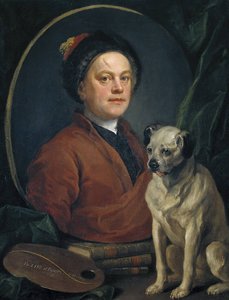
1697 - 1764 , イギリス


最新の美術ニュース、限定オファー、そしてインテリアのアイデアをいち早くお届けします。
お客様のプロジェクトについてお聞かせください。当社の美術専門家が、お客様に合わせた3つのパーソナライズされた芸術提案をご提供いたします。
あなたにぴったりの3作品を無料で厳選いたします


 プレビュー
プレビュー
 プリントを購入
 シェアする
シェアする シェアする
シェアする
 詳細を見る
詳細を見る

 ダウンロード
 似ている作品
 X線調査
X線調査 スライドショー
 詳細を見る
詳細を見る


