


x





























作品のオリジナル比率に合わせた、当店の規定サイズからお選びください。

特定のフレームやスペースに合わせて、ご希望のサイズをご入力いただけます。選択されたサイズが元の画像の比率と異なる場合、アートワークをトリミングするか、手描きで要素を追加して絵画を拡張いたします。デジタルモックアップ を制作し、制作開始前にご確認(承認)をいただきます。
画面上のプレビューは、実際のトリミングや拡張を正確に反映しているものではありません。最終的な構図は、モックアップによってのみ正確にご確認いただけます。
カスタムサイズもご利用いただけますが、元の比率を維持するためには、あらかじめ用意されたリストからサイズを選択することをお勧めいたします。

Solitude
複製画のサイズ
Winslow Homer's "Solitude," painted in 1889, isn’t merely a depiction of a deer; it’s a profound meditation on the human condition—a quiet exploration of isolation, observation, and the enduring spirit of America. The painting immediately draws the eye to its central subject: a magnificent white-tailed deer standing poised in the shallows of a river, its head raised with an almost contemplative gaze directed just beyond the frame. This subtle off-camera focus isn’t accidental; it invites the viewer into the deer's experience, prompting us to share in its silent scrutiny and fostering a sense of shared solitude.
Homer, born in Boston in 1836, forged an artistic identity distinct from the rigid traditions of European academies. His early career as a commercial illustrator for Harper’s Weekly instilled within him a remarkable ability to capture scenes with startling clarity and detail – skills honed through meticulous observation of everyday American life. This foundation profoundly shaped his approach to painting, initially in watercolor before he mastered oil on canvas. “Solitude” exemplifies this dedication to realism, rendered with a precision born from years spent documenting the nuances of the natural world and its inhabitants.
The backdrop of "Solitude" is quintessential New England—a landscape subtly imbued with both tranquility and a hint of melancholy. Trees, draped in autumnal hues, line the riverbanks, creating a sense of enclosure while simultaneously suggesting an expansive wilderness. Two small boats – one closer to the left, another further back on the right – punctuate the scene, hinting at human presence without disrupting the deer’s solitary state. This careful arrangement establishes a dialogue between the natural world and the occasional intrusion of humanity, reinforcing the painting's central theme of isolation.
Homer’s masterful use of light is particularly noteworthy. The dappled sunlight filtering through the trees casts an ethereal glow upon the water and the deer, imbuing the scene with a sense of quiet beauty. He employs broken brushstrokes to create a shimmering effect on the surface of the river, adding depth and realism to the composition. The color palette—earthy browns, greens, and blues—further enhances the painting’s evocative atmosphere, grounding the subject in its natural environment.
“Solitude” resonates deeply with themes of introspection and resilience – qualities often associated with the American experience. The deer itself has long been a potent symbol in American art and literature, representing wilderness, freedom, and the untamed spirit. Its solitary stance speaks to a yearning for independence and self-reliance, mirroring the pioneering ethos that shaped early America.
Furthermore, the painting can be interpreted as an allegory of the human condition. The deer’s gaze suggests a contemplative awareness of its place in the world—a recognition of both beauty and loneliness. It's a poignant reminder of our own capacity for introspection and the importance of finding solace in solitude. The boats in the background, while present, are secondary, emphasizing the primacy of the animal’s experience and suggesting that true connection often lies within oneself.
Winslow Homer's "Solitude" stands as a testament to his remarkable ability to capture not just the appearance of a scene, but also its underlying emotional resonance. It is a work that invites viewers to pause, reflect, and contemplate their own relationship with nature and the world around them. Reproductions of this iconic painting offer an exceptional opportunity to bring Homer’s profound insights into any interior space, fostering a sense of quiet contemplation and reminding us of the enduring power of observation and resilience – qualities deeply rooted in the American spirit.

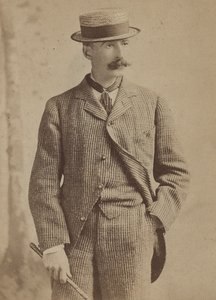
1836 - 1910 , アメリカ合衆国

Explore the profound impact of 19th-century Realism. Discover how masters like Gustave Courbet rejected idealism to capture the raw truth of contemporary life through direct observation and social commentary in this expert art history guide.


最新の美術ニュース、限定オファー、そしてインテリアのアイデアをいち早くお届けします。
お客様のプロジェクトについてお聞かせください。当社の美術専門家が、お客様に合わせた3つのパーソナライズされた芸術提案をご提供いたします。
あなたにぴったりの3作品を無料で厳選いたします


 プレビュー
プレビュー
 プリントを購入
 シェアする
シェアする シェアする
シェアする
 詳細を見る
詳細を見る

 ダウンロード
 似ている作品
 X線調査
X線調査 スライドショー

 詳細を見る
詳細を見る









 ガラスオプションは、110cm未満のサイズでのみご利用いただけます。


