x
迅速な制作と多彩な仕上げオプションを備えた、ミュージアムクオリティのジークレーまたはキャンバスプリント。 ( 手描きの絵画を購入 画像を購入)





























作品のオリジナル比率に合わせた、当店の規定サイズからお選びください。

特定のフレームやスペースに合わせて、ご自身でサイズを指定することも可能です。選択されたサイズが元の画像の比率と一致しない場合、作品をトリミングするか、鏡面反射または単色での塗りつぶしによって画像を拡張いたします。制作を開始する前に、ご確認用のデジタルモックアップをお送りいたします。
画面上のプレビューには、実際のトリミングや拡張は反映されませんのでご注意ください。最終的な構図を正確に確認できるのは、モックアップのみとなります。
カスタムサイズも承っておりますが、元の比率を維持するためには、あらかじめ用意されたリストからサイズを選択することをお勧めいたします。

The Guide
複製画のサイズ
In the quietude of 1895, Winslow Homer captured a scene that transcends mere observation, offering instead a profound meditation on peace and presence. The Guide is not simply a depiction of a man resting by a tree; it is an invitation into a world where the frantic pace of modern life dissolves into the rhythmic stillness of nature. As we gaze upon this exquisite watercolor, we find ourselves seated alongside the subject, witnessing a moment of profound tranquility. The composition, anchored by the sturdy presence of a tree trunk, cradles the central figure in a way that feels both protective and intimate. With his legs crossed and eyes perhaps wandering toward a distant horizon, the man embodies a state of being entirely at home within the landscape. This sense of belonging is deepened by the subtle inclusion of a companion and a loyal dog in the background, elements that transform a solitary moment into a shared experience of pastoral harmony.
The emotional resonance of this piece lies in its ability to evoke nostalgia for a simpler existence. For the collector or the interior designer, The Guide serves as a window into an era of American Realism where the beauty of the ordinary was celebrated with reverence. There is a palpable sense of breath and air within the painting, a feeling that if one were to step into the frame, the only sounds would be the rustle of leaves and the soft breathing of the dog. It is a work that does not demand attention through grandiosity but earns it through its quiet, persistent grace, making it an ideal centerpiece for spaces designed for reflection, study, or relaxation.
To understand the brilliance of The Guide, one must appreciate Homer’s unparalleled command over the watercolor medium. Unlike the heavy, opaque layers of oil painting, watercolor allows for a luminous transparency that mimics the very essence of light filtering through a forest canopy. Homer utilizes delicate brushstrokes and soft, layered washes to create a sense of depth and atmosphere that feels almost ethereal. The colors are not bold or jarring; rather, they are a sophisticated palette of earth tones, muted greens, and soft ochres that harmonize with the natural subject matter. This technique allows the artist to capture the subtle nuances of texture—the rough bark of the tree, the softness of the ground, and the gentle light hitting the figure’s clothing.
This technical prowess is a testament to Homer's origins as a commercial illustrator. His training taught him the importance of clarity and the ability to convey complex moods with precise, economical marks. In The Guide, every stroke serves a purpose, contributing to an overall atmosphere of serenity. For those seeking a high-quality reproduction, it is this meticulous attention to detail—the way the light seems to glow from within the paper itself—that makes a hand-painted version of this masterpiece so captivating. It brings not just a color scheme into a room, but a tangible sense of light and atmosphere that can transform the entire mood of an interior.
Historically, The Guide stands as a pivotal expression of late 19th-century American identity. During a period of rapid industrialization and westward expansion, Homer’s work provided a visual anchor to the enduring spirit of the American landscape. He moved away from the grand, often staged narratives of European traditions, choosing instead to find the monumental within the mundane. This painting is a prime example of how he elevated everyday life—the simple act of a guide resting in the woods—to the level of high art. The work reflects a deep-seated respect for the natural world and a recognition of the quiet dignity found in those who live in harmony with it.
For the discerning art lover, owning a reproduction of such a significant work is an opportunity to connect with the roots of American visual language. The Guide is more than a decorative element; it is a piece of history that continues to speak to our universal desire for connection, peace, and a return to nature. Whether placed in a sunlit gallery or a cozy living space, it acts as a constant, gentle reminder of the beauty that exists when we take the time to simply sit, observe, and be present.
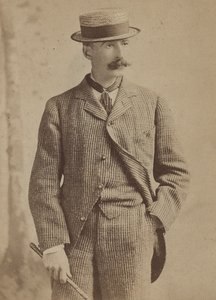
1836 - 1910 , アメリカ合衆国

Journey through the luminous era of American landscape art. Uncover the history, techniques, and masters of Luminism, from Kensett to Lane. Elevate your collection with our museum-grade, hand-painted oil reproductions of these ethereal masterpieces.


最新の美術ニュース、限定オファー、そしてインテリアのアイデアをいち早くお届けします。
お客様のプロジェクトについてお聞かせください。当社の美術専門家が、お客様に合わせた3つのパーソナライズされた芸術提案をご提供いたします。
あなたにぴったりの3作品を無料で厳選いたします


 プレビュー
プレビュー
 シェアする
シェアする シェアする
シェアする
 詳細を見る
詳細を見る

 ダウンロード
 似ている作品
 X線調査
X線調査 スライドショー

 詳細を見る
詳細を見る









 ガラスオプションは、110cm未満のサイズでのみご利用いただけます。