x
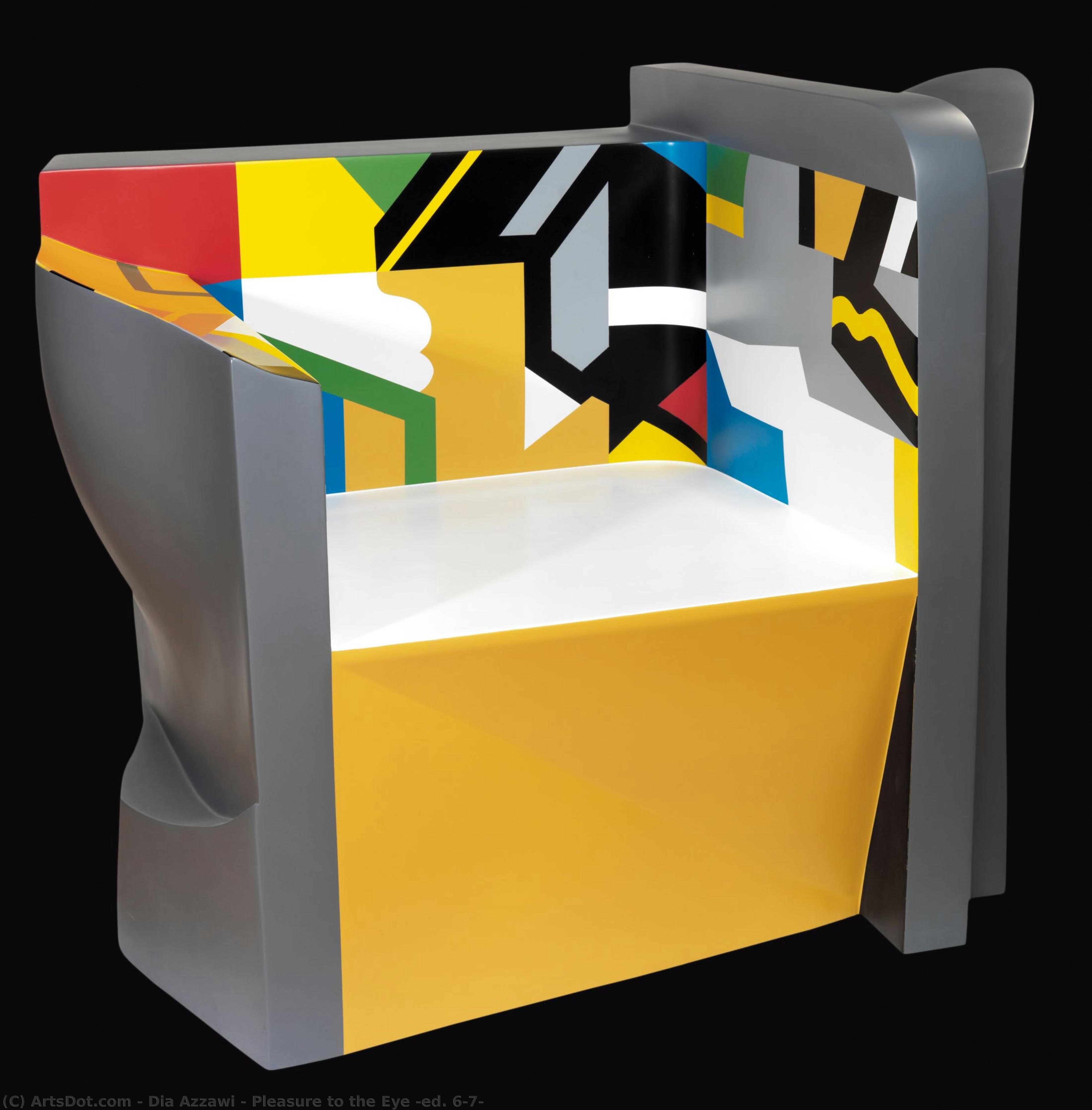
 DigitalDigitalPop Art
 2008
2008 84.0 x 80.0 cm
 Mathaf: 아랍 현대 미술관
작품의 원본 비율을 유지하는 미리 설정된 크기 중에서 선택하세요.

특정 프레임이나 공간에 맞도록 직접 크기를 입력할 수 있습니다. 선택하신 크기가 원본 이미지의 비율과 일치하지 않는 경우, 작품을 자르거나 추가적인 손으로 그린 요소를 사용하여 그림을 확장합니다. 제작 시작 전 승인을 위해 디지털 목업을 보내드립니다.
화면 미리 보기는 실제 자르기 또는 확장을 반영하지 않습니다. 최종 구성은 목업을 통해서만 정확하게 확인하실 수 있습니다.
맞춤 크기 제작도 가능하지만, 원본 비율을 유지하기 위해 사전 정의된 목록에서 크기를 선택하시는 것을 권장합니다.

Pleasure to the Eye (ed. 6/7)
복제본 크기
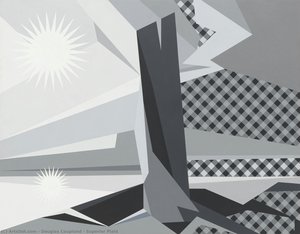
Dia al-Azzawi's "Pleasure to the Eye," created in 2008, isn’t merely a depiction of a file folder; it’s an arresting meditation on information overload and the fragmented nature of modern experience. This digital painting, rendered in bold geometric shapes and a striking color palette, immediately commands attention with its dynamic composition – a seemingly chaotic arrangement that belies a carefully considered structure. The artwork's power lies not in realistic representation but in its evocative abstraction, inviting viewers to contemplate the visual language of data and the complexities of contemporary life.
The piece’s foundation is undeniably Pop Art, drawing influence from artists like Andy Warhol with its embrace of vibrant color blocking and simplified forms. However, al-Azzawi elevates this style through a distinctly geometric sensibility, reminiscent of Constructivism and Minimalism. The dominant shapes – squares, rectangles, and triangles – are meticulously placed, creating a sense of controlled chaos that mirrors the overwhelming flow of information in our digital age. The stark black background serves to amplify these colors, pushing them forward and emphasizing their sharp edges, contributing to an overall feeling of intensity.
Understanding “Pleasure to the Eye” requires acknowledging Dia al-Azzawi's profound connection to his Iraqi heritage. Born in Baghdad in 1939, al-Azzawi’s life and work are inextricably linked to the turbulent history of his homeland – a nation grappling with political upheaval, cultural shifts, and the echoes of ancient civilizations. His early exposure to Mesopotamian ruins and Arabic calligraphy instilled within him a deep appreciation for symbolism and narrative, elements that permeate his entire oeuvre. As documented in biographical accounts, al-Azzawi’s artistic journey was shaped by experiences witnessing war and conflict, leading him to use art as a voice for the silenced – a mission powerfully reflected in this work.
His involvement with groups like the New Vision movement, founded in 1968, further solidified his commitment to challenging conventional artistic norms. This group sought to fuse traditional Arab aesthetics with contemporary expression, reflecting a desire to preserve cultural identity while embracing innovation. Al-Azzawi’s work embodies this spirit, blending geometric abstraction with references to Iraqi folklore and history – subtly hinting at the rich tapestry of his cultural roots.
The deliberate use of form is central to the artwork's impact. The file folder itself, a ubiquitous symbol of organization and information management, is deconstructed into its fundamental geometric components. This fragmentation suggests not just the act of storing data but also the process of breaking down complex ideas into digestible fragments – a metaphor for the way we navigate the digital world. The bold color palette—a vibrant mix of yellows, blues, reds, and greens—adds to this sense of dynamism and energy. These colors aren’t merely decorative; they evoke associations with communication, technology, and perhaps even the intensity of human emotion.
Furthermore, the angular lines that define the folder's surfaces contribute to a feeling of tension and movement. They suggest a relentless flow of information, mirroring the constant stream of data we encounter daily. While overtly abstract, “Pleasure to the Eye” invites viewers to interpret its symbolism – prompting questions about the nature of knowledge, the challenges of communication, and the impact of technology on our perception of reality.
Created in 2008, “Pleasure to the Eye” possesses a remarkable prescience. In an era defined by ubiquitous digital devices and constant connectivity, al-Azzawi's exploration of information overload feels strikingly relevant today. The artwork serves as a potent reminder of the potential for sensory overload and the importance of mindful engagement with the world around us. Its bold aesthetic and layered symbolism continue to resonate with viewers seeking to understand the complexities of contemporary life – making it a compelling piece for collectors, interior designers, and anyone interested in the intersection of art, technology, and culture.


1939 - , 이라크

뉴욕 메트로폴리탄 미술관 최고 걸작 25선을 만나보세요. 반 고흐, 모네 등 거장들의 숨겨진 이야기와 예술의 정수를 감상하세요. 홈 데코를 위한 명화 복제 작품은 Most-Famous-Paintings에서! 지금 바로 컬렉션을 탐험하세요.
페르낭 레제의 최고 걸작 25선을 만나보세요. 큐비즘, 추상 미술의 거장이 그린 명작들의 탄생 비화와 예술적 의미를 탐구합니다. Most-Famous-Paintings에서 고품질 아트 프린트와 인테리어 액자로 공간에 예술을 더하세요. 지금 바로 컬렉션을 확인하세요!
제임스 애벗 맥닐 휘슬러의 최고 걸작 25선을 만나보세요. 야간 풍경부터 아랑미술관 소장품까지, 예술가의 삶과 작품 세계를 탐험합니다. 색채와 분위기가 완벽한 조화를 이루는 그림들을 Most-Famous-Paintings.com에서 감상하고 특별한 공간을 완성하세요.
앙리 마티스의 시대를 초월하는 걸작 25선을 만나보세요. 색채주의, 야수파를 대표하는 그의 삶과 예술 세계를 탐험하고, Most-Famous-Paintings에서 명화 복제본으로 거실 인테리어에 감동을 더하세요. 지금 바로 컬렉션을 확인하세요!
워싱턴 내셔널 갤러리의 숨겨진 명작 25점을 만나보세요. 모네, 세잔, 피카소 등 거장들의 예술 세계와 감동적인 스토리를 Most-Famous-Paintings에서 경험하세요. 고품질 아트 프린트 & 인테리어 디자인 영감을 얻고, 당신의 공간에 예술을 더하세요! 지금 바로 Most-Famous-Paintings.com에서 컬렉션을 탐험하세요.


최신 미술 뉴스, 특별 혜택 및 인테리어 아이디어를 가장 먼저 만나보세요.
프로젝트에 대해 알려주시면 저희 미술 전문가들이 맞춤형 아트 제안 3가지를 전달해 드립니다.
당신만을 위한 맞춤형 옵션 3가지를 무료로 추천해 드립니다!


 프린트 구매하기
 공유하기
공유하기 공유하기
공유하기
 상세 정보
상세 정보

 다운로드
다운로드
 유사 작품
유사 작품 X-레이
X-레이 슬라이드 쇼
 더 보기
더 보기






































 유리 옵션은 110cm 미만 크기에서만 선택 가능합니다.