x





























작품의 원본 비율을 유지하는 미리 설정된 크기 중에서 선택하세요.

특정 프레임이나 공간에 맞도록 직접 크기를 입력할 수 있습니다. 선택하신 크기가 원본 이미지의 비율과 일치하지 않는 경우, 작품을 자르거나 추가적인 손으로 그린 요소를 사용하여 그림을 확장합니다. 제작 시작 전 승인을 위해 디지털 목업을 보내드립니다.
화면 미리 보기는 실제 자르기 또는 확장을 반영하지 않습니다. 최종 구성은 목업을 통해서만 정확하게 확인하실 수 있습니다.
맞춤 크기 제작도 가능하지만, 원본 비율을 유지하기 위해 사전 정의된 목록에서 크기를 선택하시는 것을 권장합니다.

Ludorff
복제본 크기
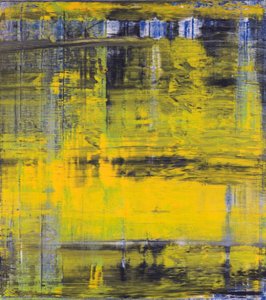
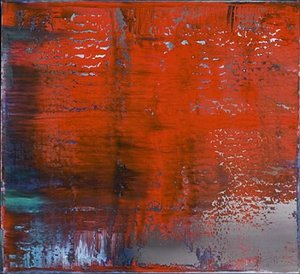
Gerhard Richter’s “Ludorff,” a striking abstract expressionist painting, presents an arresting visual experience—a seemingly simple arrangement of squares bursting with vibrant hues that belies a complex exploration of memory and perception. Created in 1968, this piece encapsulates the spirit of Richter's formative years amidst the turbulent backdrop of post-war Germany, mirroring his own internal struggle to reconcile idyllic recollections with the realities of division.
The painting's visual impact is undeniably captivating. However, its significance extends beyond mere aesthetic pleasure. Richter himself has described “Ludorff” as representing "a landscape of memory," reflecting his preoccupation with capturing fleeting impressions and reconstructing past experiences. The fragmented squares symbolize the fractured nature of recollection—the impossibility of perfectly recreating a moment in time—while simultaneously conveying a sense of openness and possibility.
Considered within the broader context of Richter’s oeuvre, “Ludorff” stands as a cornerstone of his exploration into photographic representation and its limitations. It exemplifies his commitment to confronting existential questions about identity and perception, mirroring the anxieties prevalent during the Cold War era. This artwork continues to inspire dialogue about art's role in conveying emotion and capturing the elusive essence of human experience.

1932 - , 독일

Discover the profound intersection of geometry and emotion in Cubist Expressionism. Explore art history through our expert analysis of modern masters and find museum-quality, hand-painted oil reproductions of iconic masterpieces for your collection.

Explore the profound impact of Minimalism and Geometric Abstraction. From Mondrian to Malevich, discover how stripping art to its essential forms revolutionized modern aesthetics through our expert-led historical guide.

Master the complexities of Geometric Abstraction. Our expert guide explores the evolution from Cubist deconstruction to Bauhaus precision, decoding the power of shape and form. Perfect for art students seeking deep historical context and academic insight into modern masterpieces.
Explore the profound emotional depth of Lyrical Abstraction. Discover how masters like Raymond Parker used color and form to bridge Impressionism and Abstract Expressionism. Learn about this pivotal movement through our expert-led art history guide.


최신 미술 뉴스, 특별 혜택 및 인테리어 아이디어를 가장 먼저 만나보세요.
프로젝트에 대해 알려주시면 저희 미술 전문가들이 맞춤형 아트 제안 3가지를 전달해 드립니다.
당신만을 위한 맞춤형 옵션 3가지를 무료로 추천해 드립니다!


 미리보기
미리보기
 프린트 구매
 공유하기
공유하기 공유하기
공유하기
 상세 정보
상세 정보

 다운로드
다운로드
 유사 작품
유사 작품 X-레이
X-레이 슬라이드 쇼
 더 보기
더 보기









 유리 옵션은 110cm 미만 크기에서만 선택 가능합니다.