x





























작품의 원본 비율을 유지하는 미리 설정된 크기 중에서 선택하세요.

특정 프레임이나 공간에 맞도록 직접 크기를 입력할 수 있습니다. 선택하신 크기가 원본 이미지의 비율과 일치하지 않는 경우, 작품을 자르거나 추가적인 손으로 그린 요소를 사용하여 그림을 확장합니다. 제작 시작 전 승인을 위해 디지털 목업을 보내드립니다.
화면 미리 보기는 실제 자르기 또는 확장을 반영하지 않습니다. 최종 구성은 목업을 통해서만 정확하게 확인하실 수 있습니다.
맞춤 크기 제작도 가능하지만, 원본 비율을 유지하기 위해 사전 정의된 목록에서 크기를 선택하시는 것을 권장합니다.

God creates Man
복제본 크기
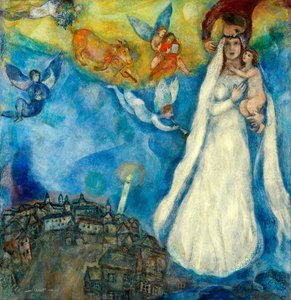
In the ethereal realm of Marc Chagall, the boundaries between the earthly and the divine do not merely blur; they dissolve entirely. His 1931 masterpiece, "God Creates Man," serves as a profound window into a spiritual vision where the act of creation is rendered not through anatomical precision, but through a poetic dance of light and soul. To gaze upon this work is to enter a state of suspended animation, witnessing an intimate moment of divine genesis. The painting captures a sense of weightlessness, featuring celestial figures that seem to drift through a cosmic void, anchored only by the strength of their shared spiritual essence. It is a piece that transcends the biblical narrative to offer a universal meditation on the spark of life and the interconnectedness of all existence.
The visual language of this work is a breathtaking synthesis of Naïve Art spontaneity and the fractured, intellectual depth of Cubism. Chagall eschews the rigid constraints of academic realism, opting instead for flattened planes of color and thick, expressive brushstrokes that lend the canvas a tactile, luminous quality. There is a rhythmic texture to the paint, reminiscent of a dream captured in watercolor, where movement is felt rather than seen through traditional perspective. By deliberately avoiding heavy shading, Chagall allows the figures to appear as if they are composed of light itself, creating an otherworldly atmosphere that mirrors the fantastical landscapes of his own imagination.
To understand the emotional gravity of "God Creates Man," one must look toward the artist's roots in the vibrant cultural crossroads of Vitebsk. Chagall’s identity was forged in a landscape where Orthodox Christian iconography and Hasidic Jewish traditions coexulated, creating a rich tapestry of symbolic possibilities. In this painting, the celestial motifs—the moon, the floating angels, and the sense of levitation—act as metaphors for the transcendence of the human spirit. The figures do not merely exist; they ascend. This upward movement serves as a powerful symbol of hope and the eternal aspiration toward the divine, making the artwork deeply resonant for those who find beauty in themes of faith, rebirth, and cosmic wonder.
For the discerning collector or interior designer, this piece offers more than just visual splendor; it provides an emotional anchor for a space. The composition’s balance between the intricate details of the angelic wings and the serene, expansive background allows it to integrate seamlessly into sophisticated environments. Whether placed in a quiet study to inspire contemplation or as a focal point in a grand living space to evoke conversation, the painting radiates a sense of peace and intellectual depth. It is an invitation to look beyond the physical world and embrace the boundless possibilities of the imagination, making it a timeless acquisition for any collection dedicated to the transformative power of fine art.

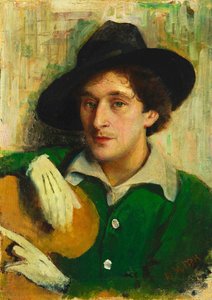
1887 - 1985 , 벨라루스

Journey through art history to uncover the sacred symbolism of wings and divinity. From classical mythology to the Renaissance, explore iconic masterpieces and discover museum-quality, hand-painted oil reproductions designed for the true art enthusiast. Expertly curated by MFP.

Explore the profound history of celestial masterpieces, from Van Gogh’s Starry Night to the Post-Impressionist revolution. Discover expert art historical insights and find museum-quality, hand-painted oil reproductions for your collection at Most-Famous-Paintings.com.


최신 미술 뉴스, 특별 혜택 및 인테리어 아이디어를 가장 먼저 만나보세요.
프로젝트에 대해 알려주시면 저희 미술 전문가들이 맞춤형 아트 제안 3가지를 전달해 드립니다.
당신만을 위한 맞춤형 옵션 3가지를 무료로 추천해 드립니다!


 미리보기
미리보기
 프린트 구매
 공유하기
공유하기 공유하기
공유하기
 상세 정보
상세 정보

 다운로드
다운로드
 유사 작품
유사 작품 X-레이
X-레이 슬라이드 쇼


 더 보기
더 보기









 유리 옵션은 110cm 미만 크기에서만 선택 가능합니다.