


x
 Oil On CanvasWallArtAbstract Expressionism
 1964Modern
 236.0 x 194.0 cm
빠른 제작과 다양한 마감 옵션을 제공하는 박물관 품질의 지클레이 또는 캔버스 프린트. ( 손으로 그린 그림 구매 이미지 구매)
작품의 원본 비율을 유지하는 미리 설정된 크기 중에서 선택하세요.

특정 프레임이나 공간에 맞춰 직접 치수를 입력하실 수 있습니다. 선택하신 사이즈가 원본 이미지의 비율과 일치하지 않을 경우, 작품을 크롭(자르기)하거나 이미지를 대칭 또는 단색 채우기로 확장하여 제작합니다. 제작 시작 전, 최종 확인을 위해 디지털 목업이 전송됩니다.
화면상의 미리보기는 실제 크롭이나 확장 상태를 반영하지 않으므로, 최종 구도는 오직 목업을 통해서만 정확하게 확인하실 수 있습니다.
맞춤 사이즈 제작도 가능하지만, 원본 비율을 유지하기 위해서는 사전 정의된 목록에서 치수를 선택하시는 것을 권장합니다.

No. 7
복제본 크기
To stand before Mark Rothko’s No. 7 is to enter a sanctuary of silence. Executed in 1964, this monumental canvas serves as a profound meditation on the weight of existence and the depth of the human psyche. As a cornerstone of the Abstract Expressionist movement, specifically within the realm of Color Field painting, the work eschews all representational distractions. There are no figures to guide the eye, no landscapes to provide context; instead, the viewer is met with a vast, immersive expanse of deep blacks and charcoal grays. This deliberate use of a monochromatic palette does not merely present a color; it creates an atmosphere—a heavy, velvety shroud that invites a state of solemn contemplation and existential reflection.
The composition is a masterclass in minimalist tension. Rothko utilizes a flattened plane where a central, commanding rectangular field of dark hue dominates the visual field, subtly encircled by a thinner band of slightly lighter tone. This delicate boundary creates a soft, hazy perimeter that prevents the darkness from feeling static. Instead, the edges seem to vibrate with a quiet energy, suggesting a portal or a window into an infinite void. The lack of traditional perspective forces the viewer to confront the painting as a physical presence in the room, making it an ideal centerpiece for spaces designed for introspection, such as a private study, a minimalist gallery, or a sophisticated lounge where mood and atmosphere are paramount.
The emotional potency of No. 7 is inextricably linked to Rothko’s meticulous technical approach. The surface of the canvas reveals the artist's hand through visible, layered brushstrokes that imbue the work with a tactile, breathing quality. By applying thin washes of oil paint in successive layers, Rothko achieved a luminous depth that defies the flatness of the medium. These subtle tonal shifts—the way a deep black transitions into a smoky gray—create an illusion of receding space, as if the painting possesses its own internal gravity. This layering technique is what allows the light to appear trapped within the pigment, giving the dark fields a soft, inner glow that changes as the viewer moves around the piece.
For the discerning collector or interior designer, the allure of a high-quality reproduction lies in capturing this very nuance. The interplay between the textured central mass and the smoother surrounding borders is essential to replicating the "breathing" effect of the original. When placed in a well-lit environment, the subtle variations in the dark tones can catch ambient light, creating highlights and shadows that lend the artwork a dynamic, living presence. It is this mastery of material and light that transforms No. 7 from a mere object of decoration into a profound emotional instrument capable of anchoring an entire interior design concept with its quiet, commanding strength.
Born in Latvia and shaped by the turbulent migrations of the early 20th century, Mark Rothko’s personal history of displacement and loss is woven into the very fabric of his late-period works. By 1964, his style had matured into this distilled, elemental form of expression. The darkness found in No. 7 is not a void of nothingness, but a vessel for complex human emotions: grief, ecstasy, and the search for meaning amidst the shadows. This period of his career represents the pinnacle of his ability to use color as a language for the intangible.
Integrating such a powerful piece into a contemporary collection offers more than just aesthetic prestige; it provides an emotional anchor. Whether used to complement a modern, monochromatic interior or to provide a somber contrast to a brightly lit architectural space, No. 7 commands respect through its understated power. It remains a timeless testament to the idea that art does not need to show us the world to make us feel it; sometimes, all it requires is the courage to look into the dark and find the beauty within.
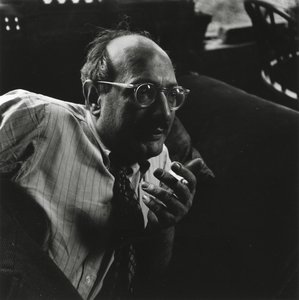
1903 - 1970 , 라트비아

Explore the profound emotional depth of Color Field painting. Discover the history of mid-century abstraction, from Rothko to Newman, and learn how pure color transforms the viewer's experience through our expert art history guide.

Explore the profound emotional depth of Color Field painting. Our expert guide delves into the post-war origins of Abstract Expressionism, analyzing masterpieces by Rothko and Newman. Discover museum-grade, hand-painted oil reproductions that bring art history to your walls.

Explore the profound history and emotional depth of Color Field painting. From Mark Rothko to Barnett Newman, discover how pure color redefined modern art through our expert-led guide for students and collectors alike.

Explore the profound history and emotional depth of Abstract Expressionism. From Jackson Pollock to Mark Rothko, master the nuances of the New York School through our expert art history guide. Discover museum-quality hand-painted reproductions for your collection.
Explore the profound emotional depth of Lyrical Abstraction. Discover how masters like Raymond Parker used color and form to bridge Impressionism and Abstract Expressionism. Learn about this pivotal movement through our expert-led art history guide.


최신 미술 뉴스, 특별 혜택 및 인테리어 아이디어를 가장 먼저 만나보세요.
프로젝트에 대해 알려주시면 저희 미술 전문가들이 맞춤형 아트 제안 3가지를 전달해 드립니다.
당신만을 위한 맞춤형 옵션 3가지를 무료로 추천해 드립니다!


 미리보기
미리보기
 공유하기
공유하기 공유하기
공유하기
 상세 정보
상세 정보

 다운로드
다운로드
 유사 작품
유사 작품 X-레이
X-레이 슬라이드 쇼
 더 보기
더 보기






































 유리 옵션은 110cm 미만 크기에서만 선택 가능합니다.


