x
빠른 제작과 다양한 마감 옵션을 제공하는 박물관 품질의 지클레이 또는 캔버스 프린트. ( 손으로 그린 그림 구매 이미지 구매)





























작품의 원본 비율을 유지하는 미리 설정된 크기 중에서 선택하세요.

특정 프레임이나 공간에 맞춰 직접 치수를 입력하실 수 있습니다. 선택하신 사이즈가 원본 이미지의 비율과 일치하지 않을 경우, 작품을 크롭(자르기)하거나 이미지를 대칭 또는 단색 채우기로 확장하여 제작합니다. 제작 시작 전, 최종 확인을 위해 디지털 목업이 전송됩니다.
화면상의 미리보기는 실제 크롭이나 확장 상태를 반영하지 않으므로, 최종 구도는 오직 목업을 통해서만 정확하게 확인하실 수 있습니다.
맞춤 사이즈 제작도 가능하지만, 원본 비율을 유지하기 위해서는 사전 정의된 목록에서 치수를 선택하시는 것을 권장합니다.

A Tree in Naples
복제본 크기
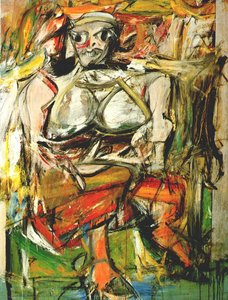
“A Tree in Naples,” created by Willem de Kooning in 1960, is a captivating example of Abstract Expressionism. This piece belongs to a series inspired by landscapes, marking a shift in De Kooning’s artistic focus towards capturing the essence of nature rather than literal representation. De Kooning described his inspiration: "Just coming around roads, some place, and having the sensation of a piece of it, a piece of nature, like a fence, something on the road. And I really get very elated by again looking, by again seeing that the sky is blue, that the grass is green.” This sentiment reveals a deep connection with the natural world and a desire to translate its feeling into visual form.
The painting doesn’t depict a tree in a traditional sense. Instead, De Kooning employs broad, heavy brushstrokes and vibrant colors—blues, reds, whites, blacks, and hints of yellow—to evoke the sensation of landscape. The technique is characteristic of Abstract Expressionism, prioritizing the artist's emotional response and process over precise depiction. Visible strokes and splatters contribute to its expressive nature. De Kooning utilized a palette knife in some areas, creating texture and depth. This approach aligns with the core principles of Abstract Expressionism, where the artist’s emotions and experiences are translated into visual expressions.
“A Tree in Naples” emerged during a pivotal period in art history – the post-World War II era. Abstract Expressionism was gaining prominence as the first major American modern art movement, centered around artists like Jackson Pollock, Elaine de Kooning, Lee Krasner, and Franz Kline—collectively known as the New York School. This movement rejected traditional representational forms, emphasizing spontaneous gesture, subjective emotion, and large-scale canvases. De Kooning’s work reflects this shift away from realism towards a more personal and expressive form of art.
While devoid of recognizable imagery, “A Tree in Naples” evokes a powerful emotional response. The dynamic interplay of color and line creates a sense of movement and vitality, suggesting the energy of nature. The painting isn't about depicting a specific tree; it’s about conveying the *feeling* of being immersed in a landscape—the light, the air, the overall sensory experience. It invites viewers to interpret the work subjectively, finding their own meaning within its abstract forms. The simplification of visual vocabulary and expansive brushstrokes create an immersive experience for the viewer.

1904 - 1997 , 네덜란드

추상표현주의의 심장을 뛰게 한 10대 걸작을 만나보세요. 폴록, 로스코 등 거장의 작품 비하인드 스토리와 예술적 영감을 Most-Famous-Paintings에서! 지금 바로 미술품 컬렉션을 탐험하고, 당신의 공간에 특별한 예술적 감성을 더하세요. Most-Famous-Paintings.com
고야의 걸작 25선을 만나보세요. 스페인 화가 Francisco Goya의 낭만주의 회화, 어두운 색조와 강렬한 감성이 담긴 명화를 Most-Famous-Paintings에서 감상하세요. 고품질 유화 복제본으로 예술 작품을 소장하고 홈 데코를 완성해보세요! 지금 바로 컬렉션을 탐험하세요.

APS ofrece reproducciones de bellas artes y encargos personalizados desde 2004. Confían en nosotros corporaciones, hoteles y coleccionistas selectos para obras de arte de calidad museística, servicio discreto y soluciones artísticas completas. ¡Póngase en contacto con nosotros para obtener un presupuesto personalizado!

Explore the evolution of Willem de Kooning's iconic Abstract Expressionist paintings. Discover his signature style, key themes & investment potential with expert insights for discerning art collectors.
Explore the profound emotional world of Abstract Expressionism with Most-Famous-Paintings. Discover key artists like Pollock & Rothko, learn about collecting, and find museum-quality reproductions to inspire your space.


최신 미술 뉴스, 특별 혜택 및 인테리어 아이디어를 가장 먼저 만나보세요.
프로젝트에 대해 알려주시면 저희 미술 전문가들이 맞춤형 아트 제안 3가지를 전달해 드립니다.
당신만을 위한 맞춤형 옵션 3가지를 무료로 추천해 드립니다!


 미리보기
미리보기
 공유하기
공유하기 공유하기
공유하기
 상세 정보
상세 정보

 다운로드
다운로드
 유사 작품
유사 작품 X-레이
X-레이 슬라이드 쇼

 더 보기
더 보기









 유리 옵션은 110cm 미만 크기에서만 선택 가능합니다.