


x

Rankiniu būdu tapytas aliejus ant droblio jūsų pageidaujamame dydį ir rėmuose – mūsų menininkų darbas pagal užsakymą. ( Pirkti spaudinį Pirkti vaizdą)
Pasirinkite iš mūsų nustatytų dydžių, atitinkančių originalaus meno kūrinio proporcijas.

Galite įvesti savo matmenis, kad jie atitiktų konkretų rėmą ar erdvę. Jei pasirinktas dydis neatitinka originalaus paveikslėlio proporcijų, mes arba apkropsime meno kūrinį, arba papildysime tapybą rankomis dažytい elementais. Prieš pradėdami gamybą, jūsų patvirtinimui atsiųsime skaitmeninį maketą.
Atkreipkite dėmesį, kad ekrane rodomas vaizdas neatspindi tikrojo apkarpymo ar papildymo. Tik maketas tiksliai parodys galutinę kompoziciją.
Nors galima rinktis ir individualius dydžius, rekomenduojame pasirinkti matmenis iš nustatytos sąrašo, kad būtų išlaikytos originalios proporcijos.
Pristatymas visame pasaulyje () per 3–4 savaites, o ne įprastai – per 5 savaites. (20 rugpjūtis). Kokybė lieka nepakeičiama.


Nose
Reprodukcijos matmenys
Alberto Giacometti’s “Nose,” created in 1964, stands as an arresting testament to the artist's profound engagement with existential themes and his masterful manipulation of form and space. More than just a depiction of a human head encased within a simple metal frame—though that visual element is undeniably striking—the sculpture embodies a deeper exploration of solitude, vulnerability, and the elusive nature of identity.
The sculpture's impact transcends mere visual aesthetics; it compels viewers to contemplate questions about human existence and the difficulty of articulating profound emotions. Giacometti’s deliberate reduction of form—the absence of eyes, mouth, and ears—forces us to confront our own perceptions and consider what is essential to defining ourselves as individuals. “Nose” isn't simply an object; it’s a conduit for confronting existential dilemmas.
Its minimalist composition – the dark metal frame juxtaposed against the pale head – amplifies the sculpture’s emotional resonance, conveying a palpable sense of vulnerability and isolation. Giacometti’s masterful use of negative space contributes to this effect, emphasizing the profound silence inherent in the artwork and inviting contemplation on themes of introspection and detachment.
Ultimately, “Nose” remains an enduring symbol of Giacometti's artistic legacy—a poignant reminder that art can illuminate the complexities of human experience and provoke a deeper understanding of our place within the universe. It’s a sculpture that lingers in the mind long after viewing, prompting reflection on fundamental questions about identity and consciousness.


1901 - 1966 , Šveicarija

Discover the sophisticated world of metal art. From industrial grace to contemporary sculpture, our expert guide explores how premium metallic masterpieces elevate luxury interiors for discerning collectors seeking timeless elegance and investment-grade artistry.
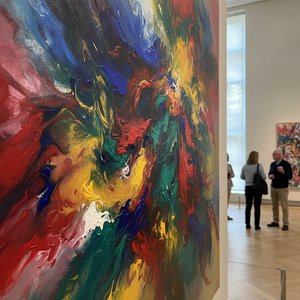
Explore the profound emotional depth of Lyrical Abstraction. Discover how masters like Raymond Parker used color and form to bridge Impressionism and Abstract Expressionism. Learn about this pivotal movement through our expert-led art history guide.


Sekite naujausias meno naujienas, išskirtinius pasiūlymus ir dekoravimo idėjas.
Pasakokite mums apie savo projektą, o mūsų meno ekspertai parengs jums 3 asmeniškus meno pasiūlymus.
Leiskite mums parinkti 3 variantus būtent jums – nemokamai!


 Pasidalinti
 Dalintis
 Išsamiau

 Atsisiųsti
 Panašūs eksponatai
 Automatinė diorama


 Skaityti daugiau




































 Stiklo variantas prieinamas tik pasirinkus dydį iki 110 cm


![Quatre Femmes Sur Socle [four Women On A Base] — Alberto Giacometti, Modern Sculpture](/media/artworks/images/thumbnails/af/1c/af1c7b0533bc4d66a62125d60bfa22c1.jpg)


