x

Muziejų lygio „giclée“ arba drobos spausdinimas: greita gamyba ir lankstios apdailos parinktys. ( Perejti prie rankinio darbo paveikslėlio Perjungti į vaizdą)





























Pasirinkite iš mūsų nustatytų dydžių, atitinkančių originalaus meno kūrinio proporcijas.

Galite nurodyti savo matmenis, kad vaizdas atitiktų konkretų rėmą ar erdvę. Jei pasirinktas dydis nesutaps su originalaus paveikslėlio proporcijomis, mes arba apkirpsime kūrinį, arba išplėsime vaizdą naudojant veideliu atspindėtą arba vientisą šoną. Skaitmeninis maketas bus išsiųstas jums patvirtinti prieš pradedant gamybą.
Atkreipkite dėmesį, kad ekrane matomas vaizdinys neatspindi tikrojo apkirpimo ar išplėtimo. Tik maketas tiksliai parodytų galutinę kompoziciją.
Nors galima rinktis ir individualius dydžius, rekomenduojame pasirinkti vieną iš išanksti nustatytų matmenų, kad būtų išlaikytos originalios proporcijos.
Pristatymas visame pasaulyje () per 2 weeks, o ne įprastas 4/5 savaičių laikotarpis. (30 liepa)


Harebells
Reprodukcijos matmenys
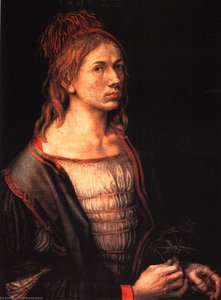
Albrecht Dürer's "Harebells," a captivating oil painting brimming with the vibrant energy of nature, stands as a testament to the artist’s unparalleled skill and his pivotal role in shaping the Northern Renaissance. Executed around 1507, this work transcends a simple depiction of flowers; it is an intensely personal exploration of beauty, proportion, and the very essence of observation – qualities that would define Dürer's legacy. The painting immediately draws the eye to the meticulously rendered bouquet, a riot of color and form that speaks volumes about the artist’s deep understanding of both botanical detail and artistic composition. It’s a piece that invites prolonged contemplation, revealing new nuances with each viewing.
Beyond its technical brilliance, “Harebells” resonates with the symbolic language of the Renaissance. Flowers held profound meaning within this era, often representing virtues, emotions, or allegorical concepts. While the precise symbolism of each bloom in Dürer’s bouquet remains open to interpretation, the overall effect evokes a sense of harmony and balance – a core tenet of Renaissance artistic philosophy. The meticulous detail with which he renders each flower suggests an appreciation for the natural world and a desire to capture its beauty with scientific precision. This reflects the humanist ideals that were gaining prominence during Dürer’s time, emphasizing human potential and the importance of observation.
Created in the early 16th century, “Harebells” reflects a period of immense artistic and intellectual ferment. Dürer was deeply influenced by Italian Renaissance masters like Leonardo da Vinci and Botticelli, yet he forged his own distinctive style—one characterized by rigorous observation, technical virtuosity, and a profound understanding of perspective and proportion. This painting exemplifies his commitment to exploring the relationship between art and science, reflecting a growing interest in natural history and anatomical accuracy that was characteristic of the era. Dürer’s work served as an important bridge between the Gothic and Renaissance artistic traditions, solidifying his place as one of the most influential artists of the Northern Renaissance.


1471 - 1528 , Italija
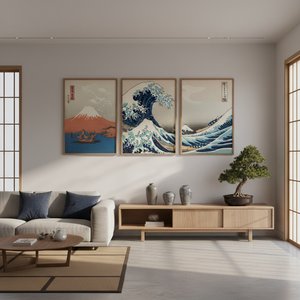
Atraskite 25 įspūdingiausius Katsushika Hokusai kūrinius! Žiūrėkite *Didžiąją bangą*, *Fuji kalną* ir kitus Ukiyo-e stiliaus šedevrus. Meno reprodukcijos jūsų interjerui – Most-Famous-Paintings.com
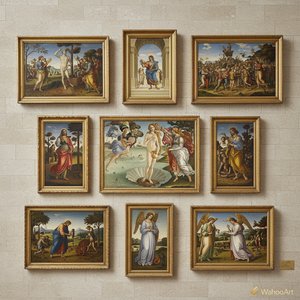
Atraskite ankstyvojo renesanso šedevrus! 10 legendinių paveikslų, kuriuos sukūrė Leonardo da Vinci, Michelangelo ir Botticelli. Sužinokite apie meną, spalvas bei istoriją. Kokybiškos meno reprodukcijos – Most-Famous-Paintings.com. Išskirtinis dizainas Jūsų namams!
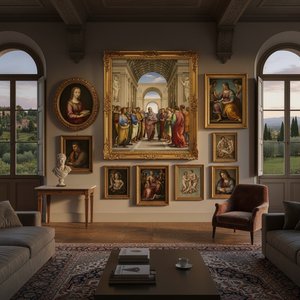
Atraskite 25 įspūdingiausius Rafaelio paveikslus! Išsami istorija, technikos ir meno stiliai. Renesanso tapybos šedevrai jūsų interjerui – aukštos kokybės reprodukcijos Most-Famous-Paintings.com. Explore the full collection online!

Explore 10 famous paintings bathed in captivating dusty rose tones! From Monet to Bouguereau, discover romantic Impressionism & Renaissance masterpieces. Find museum-quality art reproductions and elevate your home decor with Most-Famous-Paintings.com. Explore the full collection online.
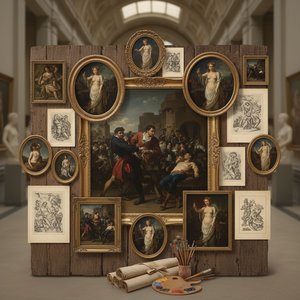
Atraskite 25 įspūdingiausius Francisco Goya šedevrus! Ispanų romantizmo meistro paveikslai, portretai ir juodoji tapyba. Įkvėpkite interjerui su aukštos kokybės Goya reprodukcijomis | Most-Famous-Paintings.com


Sekite naujausias meno naujienas, išskirtinius pasiūlymus ir dekoravimo idėjas.
Pasakokite mums apie savo projektą, o mūsų meno ekspertai parengs jums 3 asmeniškus meno pasiūlymus.
Leiskite mums parinkti 3 variantus būtent jums – nemokamai!


 Peržiūrėti realybėje
 Pasidalinti
 Dalintis
 Išsamiau

 Atsisiųsti
 Panašūs eksponatai
 Rentgeno nuotrauka
 Automatinė diorama

 Skaityti daugiau







 Stiklo variantas prieinamas tik pasirinkus dydį iki 110 cm