x

Rankiniu būdu tapytas aliejus ant droblio jūsų pageidaujamame dydį ir rėmuose – mūsų menininkų darbas pagal užsakymą. ( Pirkti spaudinį Pirkti vaizdą)





























Pasirinkite iš mūsų nustatytų dydžių, atitinkančių originalaus meno kūrinio proporcijas.

Galite įvesti savo matmenis, kad jie atitiktų konkretų rėmą ar erdvę. Jei pasirinktas dydis neatitinka originalaus paveikslėlio proporcijų, mes arba apkropsime meno kūrinį, arba papildysime tapybą rankomis dažytい elementais. Prieš pradėdami gamybą, jūsų patvirtinimui atsiųsime skaitmeninį maketą.
Atkreipkite dėmesį, kad ekrane rodomas vaizdas neatspindi tikrojo apkarpymo ar papildymo. Tik maketas tiksliai parodys galutinę kompoziciją.
Nors galima rinktis ir individualius dydžius, rekomenduojame pasirinkti matmenis iš nustatytos sąrašo, kad būtų išlaikytos originalios proporcijos.
Pristatymas visame pasaulyje () per 3–4 savaites, o ne įprastai – per 5 savaites. (14 rugpjūtis). Kokybė lieka nepakeičiama.


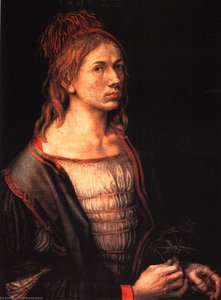
Self-Portrait
Reprodukcijos matmenys
Albrecht Dürer’s 1493 self-portrait offers a rare and intimate glimpse into the mind of one of the most influential artists of the Northern Renaissance. Executed in stark black and white, this painting transcends mere representation; it is a carefully constructed statement of artistic ambition, personal identity, and burgeoning mastery. The image depicts a young Dürer, standing with an air of quiet confidence, his gaze directly engaging the viewer – a technique that immediately establishes a profound connection between artist and audience.
Created in 1493, at the cusp of Dürer’s career, this self-portrait reflects the broader artistic currents of the Italian Renaissance, which had profoundly impacted Northern Europe. While Dürer remained firmly rooted in German traditions, he was deeply influenced by the humanist ideals and classical learning that were flourishing in Italy. This influence is evident in his intellectual pursuits – Dürer was a passionate collector of knowledge, studying mathematics, optics, and anatomy alongside his artistic practice. The portrait itself can be seen as an embodiment of this Renaissance spirit: a deliberate attempt to elevate the status of the artist and celebrate human achievement.
Beyond the technical brilliance, the portrait is laden with symbolic meaning. The red hat, a fashionable accessory of the period, could represent status or perhaps even Dürer’s ambition. The necklace suggests wealth and refinement, while the plant symbolizes growth and potential. Most importantly, Dürer's direct gaze invites us to contemplate his thoughts and feelings – a rare intimacy in portraiture of this era. The painting evokes a sense of quiet contemplation, intellectual rigor, and unwavering self-belief—qualities that defined Dürer’s extraordinary life and work.
Most-Famous-Paintings offers meticulously crafted hand-painted reproductions of Albrecht Dürer’s ‘Self-Portrait,’ capturing every nuance of detail and tonal subtlety from the original engraving. Our skilled artisans employ traditional techniques, ensuring a faithful recreation that will grace your walls with timeless beauty. Choose from a range of sizes to perfectly complement your interior design aesthetic. Own a piece of art history – experience the legacy of Dürer firsthand.


1471 - 1528 , Italija

Explore the profound artistry of black and white photography. From the chemistry of gelatin silver to the chiaroscuro of the Old Masters, discover how monochrome captures the eternal essence of light, form, and emotion for the discerning art collector.

Explore the profound history and technical mastery of woodcut relief printing. From ancient origins to German Expressionism, discover how artists use the subtractive process to create iconic works. A definitive guide for art students, collectors, and historians.


Sekite naujausias meno naujienas, išskirtinius pasiūlymus ir dekoravimo idėjas.
Pasakokite mums apie savo projektą, o mūsų meno ekspertai parengs jums 3 asmeniškus meno pasiūlymus.
Leiskite mums parinkti 3 variantus būtent jums – nemokamai!


 Peržiūrėti realybėje
 Pasidalinti
 Dalintis
 Išsamiau

 Atsisiųsti
 Panašūs eksponatai
 Rentgeno nuotrauka
 Automatinė diorama

 Skaityti daugiau







 Stiklo variantas prieinamas tik pasirinkus dydį iki 110 cm