x

 Other
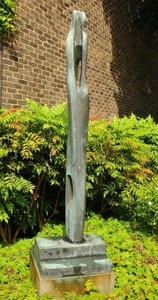
Other 2012
2012 70.0 x 70.0 cm
 Museum of the Arts of the University of Guadalajara
Įsigykite aukštos skiriamosios raiškos, patobulintą skaitmeninį vaizdą, gerokai pranašesnį už internetinę peržiūrą.
Kiekvieną failą mūsų specialistai kruopščiai paruošia naudojant pažangias technologijas ir profesionalų rankinį retušavimą. Užtikriname, kad kiekvienas vaizdas pasižymėtų išskirtiniu aiškumu, tikslia spalvų atspalviu ir smulkiomis detalėmis.
Baigiamas failas el. paštu pristatomas per 72 valandas; jis optimizuotas nedelsiant naudojimui profesionalioje, redakcinėje ir spausdinimo aplinkoje. Tai ta pati kokybė, kuria pasitiki aukščiausios klasės dizaino studijos, leidyklos ir galerijos.
Atsisiųskite didelės raiškos failą asmeniniam naudojimui, spausdinimui ir kūrybiniams projektams. ( Pirkti spaudinį Pirkti rankomis tapytą paveikslą)
Pasirinkę Most-Famous-Paintings.com, jūs ne tik gaunate paveikslėlį – jūs gaunate profesionaliai patobudintą skaitmeninį kūrinį, sukurtą itin tikniai ir užtikrinantį pasitenkinimą. Štai viską, kas automatiškai pritékia jūsų užsakymui:

Jūsų aukštos raiškos skaitmeninis vaizdo failas bus išsiųstas jums el. paštu per 72 valaudas nuo užsakymo – paruoštas naudojimui be jokių papildomų veiksmų.

Jūsų meno kūrinys profesionaliai optimizuojamas naudojant pažangius dirbtinio intelekto įrankius ir rankinį redagavimą, užtikrinant maksimalią detalę, aiškumą ir spalvų tikslumą.

Atsitiktinai ištrytikote ar praradote savo failą? Nebijokite – bet kuriuo metu atsiųsime jį jums vėl nemokamai.

Mėgaukitės savo meno kūriniu akimirka – skaitiniai failai visada yra neapmokestinami, todėl nereikės mokėti muitinės, mokesčių ar pristatymo mokesčių.

Naudodami profesionalią įrangą ir spalvų valdymo sistemas, užtikriname, kad jūsų skaitmeninis vaizdas kuo tiksliau atspindėtų originalias spalvas.

Jei nebuvate patenkinti savo skaitinio vaizdo, per 60 dienų jį pertaisysime arba grąkinsime 100% sumą – be jokių klausimų.

Nepat 만족inti? Gaukite visą sumokėtą sumą per 60 dienų nuo skaitmeninio failo gavimo – be jokių papildomų klausimų.

Pirkti 3 nuotraukas – pasiūla 10% - Pirkti 5 – pasiūla 15% - Pirkti 10 ir daugiau – pasiūla 20%. Puikiai tinka kūrybiniams projektams, galerijoms bei agentūroms.

Born in Brooklyn, New York, in 1960 to Haitian and Puerto Rican parents, Jean-Michel Basquiat’s life was a collision of cultures and experiences that profoundly shaped his art. His early years were marked by movement – leaving home at fifteen to live in Lower Manhattan, immersing himself in the vibrant, often chaotic world of New York City's downtown scene. He found work as a messenger boy, a dishwasher, and even a nightclub bouncer, absorbing the energy and grit of the city while simultaneously honing his artistic skills through sketching and painting on whatever surfaces he could find – walls, floors, jackets, anything that offered a canvas.
Initially, Basquiat’s work was deeply rooted in the graffiti subculture. He adopted the pseudonym “SAMO” (short for “same old, same old”) and began tagging city walls with cryptic statements alongside fellow artists like Al Diaz. These early pieces, often incorporating phrases like "SAMO © 4 THE SO-CALLED AVANT-GARDE," were a direct challenge to the established art world, questioning its conventions and reflecting the frustrations of marginalized communities. This street art background—the immediacy, the raw energy, and the deliberate disruption – would become a defining characteristic of his later work.
The turning point arrived in 1980 with the “Times Square Show,” an unauthorized exhibition organized by a group of artists who transformed a vacant building into a makeshift gallery. Basquiat’s paintings, characterized by their bold colors, fragmented imagery, and layered text, immediately attracted attention from critics and collectors alike. The influential article "The Radiant Child" in The New York Times Magazine, written by Rene Ricard, catapulted him to international fame, framing him as a “new original” – a figure both deeply personal and profoundly critical of the art market’s tendency to commodify and distort artistic expression.
This period was particularly significant because it coincided with the "culture wars" of the 1980s—a time of intense social and political polarization. Basquiat's work resonated powerfully with this context, addressing issues of race, identity, and power dynamics within the art world itself. He wasn’t simply creating beautiful images; he was engaging in a dialogue about representation, exclusion, and the complex relationship between artist and audience.
Basquiat's visual language is instantly recognizable—a dense tapestry of symbols, words, and imagery that often defy easy interpretation. He drew heavily on sources ranging from African art and mythology to American pop culture, jazz music, and historical documents. His paintings frequently incorporate anatomical diagrams, lists, inventories, maps, and cryptic phrases, creating a sense of intellectual stimulation alongside emotional resonance.
Technically, Basquiat’s style evolved rapidly throughout his career. Initially influenced by the gestural energy of Abstract Expressionism and the raw immediacy of graffiti, he gradually developed a more controlled and layered approach, employing techniques such as collage, painting, drawing, and assemblage. His use of bright colors—particularly blues, reds, and yellows—contrasted sharply with the black-and-white imagery often associated with street art, creating a dynamic visual tension.
Despite his tragically short life – he died of a heroin overdose in 1988 at the age of twenty-seven – Jean-Michel Basquiat left an indelible mark on the art world. His work continues to be celebrated for its raw honesty, its critical engagement with social issues, and its innovative visual language. His paintings have achieved astonishing levels of value, demonstrating a remarkable return on investment over time, as evidenced by Sotheby’s index.
More importantly than the monetary value, Basquiat's legacy lies in his ability to challenge conventions, to speak truth to power, and to give voice to marginalized communities. His art remains relevant today, prompting viewers to confront uncomfortable truths about race, identity, and the complexities of contemporary society. He is remembered not just as a brilliant artist but as a cultural icon—a testament to the transformative power of creativity and the enduring importance of artistic expression.

1982 - , Mexico


Sekite naujausias meno naujienas, išskirtinius pasiūlymus ir dekoravimo idėjas.
Pasakokite mums apie savo projektą, o mūsų meno ekspertai parengs jums 3 asmeniškus meno pasiūlymus.
Leiskite mums parinkti 3 variantus būtent jums – nemokamai!


 Peržiūrėti realybėje
 Pasidalinti
 Dalintis
 Išsamiau

 Atsisiųsti
 Panašūs eksponatai
 Rentgeno nuotrauka
 Automatinė diorama
 Skaityti daugiau