


x

 Preview
 Pirkti atspaudą Pirkti skaitmeninį paveikslą
 Pasidalinti
 Išsamiau
 Pridėti į mėgstamiausius
 Atsisiųsti
 Panašūs eksponatai
 Rentgeno nuotrauka
 Automatinė diorama
Rankiniu būdu tapytas aliejus ant droblio jūsų pageidaujamame dydį ir rėmuose – mūsų menininkų darbas pagal užsakymą.





























Pasirinkite iš mūsų nustatytų dydžių, atitinkančių originalaus meno kūrinio proporcijas.

Galite įvesti savo matmenis, kad jie atitiktų konkretų rėmą ar erdvę. Jei pasirinktas dydis neatitinka originalaus paveikslėlio proporcijų, mes arba apkropsime meno kūrinį, arba papildysime tapybą rankomis dažytい elementais. Prieš pradėdami gamybą, jūsų patvirtinimui atsiųsime skaitmeninį maketą.
Atkreipkite dėmesį, kad ekrane rodomas vaizdas neatspindi tikrojo apkarpymo ar papildymo. Tik maketas tiksliai parodys galutinę kompoziciją.
Nors galima rinktis ir individualius dydžius, rekomenduojame pasirinkti matmenis iš nustatytos sąrašo, kad būtų išlaikytos originalios proporcijos.
Pristatymas visame pasaulyje () per 3–4 savaites, o ne įprastai – per 5 savaites. (24 liepa). Kokybė lieka nepakeičiama.


perfecta
Reprodukcijos matmenys
Alphonse Maria Mucha stands as one of the undisputed icons of Art Nouveau, a movement that swept across Europe between 1890 and 1910. Born in Brno, Moravia (then Austro-Hungarian Empire), Mucha’s early life was marked by academic pursuits at Prague Academy, yet he swiftly rejected the rigid conventions of classical art, embarking on a path toward artistic liberation fueled by Impressionism and Symbolism.
Paris beckoned in 1887, offering Mucha the freedom to cultivate his singular vision. He established a studio near Montmartre, immersing himself in experimentation with etching, lithography, painting, and decorative arts—skills that would become inextricably linked to his enduring legacy. Influenced by artists like Pierre-Auguste Renoir and Gustave Moreau, Mucha honed his distinctive style: flowing lines reminiscent of plant stems and vines, organic forms mirroring the natural world, and a palpable sense of movement capturing the ethereal beauty of femininity.
His most celebrated works exemplify this mastery. “The Slavonic Uprising,” conceived in 1894, brilliantly blends Czech folklore with Art Nouveau’s stylistic precepts. The poster depicts a woman warrior wielding a sword—a potent symbol of Slavic resilience and defiance against oppression—amidst stylized floral ornamentation.
Moreau's influence is palpable in Mucha’s illustrations for “La Ribambelle des Gobelins,” where he reimagined Gustave Moreau’s fantastical tableau vivant as a series of decorative panels. This project showcased Mucha’s ability to transform literary narratives into immersive visual experiences.
Beyond mere decoration, Mucha's art sought to evoke emotion and inspire contemplation. He aimed not simply to represent beauty but to convey its transformative power—a goal achieved with remarkable consistency throughout his prolific career. Today, Mucha’s designs continue to captivate audiences worldwide, serving as a testament to the enduring allure of Art Nouveau’s visionary spirit.


1860 - 1939 , Čekija

Step back into the glamour of the Roaring '20s! Explore 10 iconic artworks by artists like Tamara de Lempicka & Edward Hopper. Discover Art Deco, Jazz Age style & museum-quality reproductions at Most-Famous-Paintings.com. Explore the full collection online.
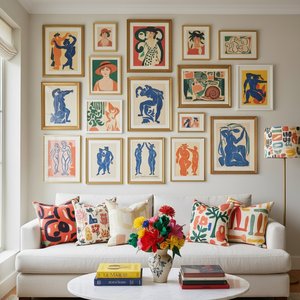
Atraskite 25 įspūdingiausius Henri Matisse šedevrus! Sužinokite apie Fauvizmą, spalvų magiją ir prancūzų dailininko kūrybos istorijas. Meno reprodukcijos jūsų interjerui – Most-Famous-Paintings.com

Explore the rich symbolism of the red dress in art history! From ancient power displays to iconic portraits like Cézanne’s 'Madame Cezanne', discover the cultural and artistic significance behind this captivating color. Expert analysis & insights.

Explore the captivating world of vintage portrait art! Discover styles, techniques & the enduring appeal of 19th-century masterpieces. Expert restoration, custom reproductions & appraisal services at Most-Famous-Paintings.

Atraskite 25 įspūdingiausius Edvard Munch šedevrus! Išsami informacija apie aliejaus tapybą, ekspresionizmą ir jo paveikslų istoriją. Meno reprodukcijos interjerui – Most-Famous-Paintings.com


Sekite naujausias meno naujienas, išskirtinius pasiūlymus ir dekoravimo idėjas.
Pasakokite mums apie savo projektą, o mūsų meno ekspertai parengs jums 3 asmeniškus meno pasiūlymus.
Leiskite mums parinkti 3 variantus būtent jums – nemokamai!


 Dalintis


 Skaityti daugiau







 Stiklo variantas prieinamas tik pasirinkus dydį iki 110 cm


