


x

Muziejų lygio „giclée“ arba drobos spausdinimas: greita gamyba ir lankstios apdailos parinktys. ( Pirkti rankomis tapytą paveikslą Pirkti vaizdą)





























Pasirinkite iš mūsų nustatytų dydžių, atitinkančių originalaus meno kūrinio proporcijas.

Galite nurodyti savo matmenis, kad vaizdas atitiktų konkretų rėmą ar erdvę. Jei pasirinktas dydis nesutaps su originalaus paveikslėlio proporcijomis, mes arba apkirpsime kūrinį, arba išplėsime vaizdą naudojant veideliu atspindėtą arba vientisą šoną. Skaitmeninis maketas bus išsiųstas jums patvirtinti prieš pradedant gamybą.
Atkreipkite dėmesį, kad ekrane matomas vaizdinys neatspindi tikrojo apkirpimo ar išplėtimo. Tik maketas tiksliai parodytų galutinę kompoziciją.
Nors galima rinktis ir individualius dydžius, rekomenduojame pasirinkti vieną iš išanksti nustatytų matmenų, kad būtų išlaikytos originalios proporcijos.
Pristatymas visame pasaulyje () per 2 weeks, o ne įprastas 4/5 savaičių laikotarpis. (18 rugpjūtis)


Reverie
Reprodukcijos matmenys
Alphonse Maria Mucha (1860-1939), born in Brno, Czech Republic, stands as a towering figure within the Art Nouveau movement—a stylistic revolution that swept across Europe between 1890 and 1910. Rejecting the academic conventions of his time, Mucha forged an utterly singular path, prioritizing organic forms, flowing lines, and a captivating sense of movement to create images imbued with ethereal beauty and profound symbolism.
Much’s artistic journey began at Prague Academy, where he swiftly recognized the limitations of traditional art education. Driven by a fervent desire for creative autonomy, he embarked on a transformative relocation to Paris in 1887—a city brimming with artistic innovation and intellectual ferment—where he established himself as an independent artist.
Beyond mere visual splendor, Mucha's art communicates complex ideas about femininity, spirituality, and social progress. The female figures he portrays—often depicted in flowing robes adorned with floral motifs—represent not simply beauty but also virtue, grace, and inner strength. These images resonate powerfully with the movement’s humanist ethos.
The technique Mucha employed was meticulous and innovative. He utilized a combination of watercolor, gouache, and tempera pigments to achieve luminous colors and velvety textures—a deliberate departure from the matte surfaces favored by earlier artistic traditions. Furthermore, he pioneered the use of halftone printing—a revolutionary process that allowed for unprecedented levels of tonal gradation and photographic realism.
Today, Alphonse Mucha’s legacy continues to inspire artists and designers worldwide. Reproductions of his masterpieces adorn homes and galleries alike—testaments to the enduring power of his vision—capturing not only aesthetic beauty but also the spirit of an era defined by optimism, creativity, and a profound appreciation for the natural world.

1860 - 1939 , Čekija
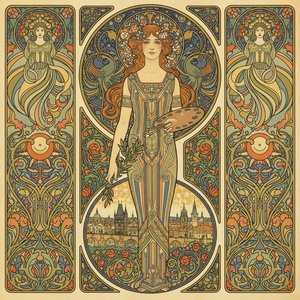
Explore the life & art of Alphonse Mucha, master of Art Nouveau! Discover his iconic posters, stunning illustrations, and the monumental Slav Epic. A comprehensive guide for collectors & enthusiasts.

Discover the enchanting world of Art Nouveau. Explore the organic beauty, flowing lines, and Belle Époque elegance that defined an era of unparalleled craftsmanship and natural inspiration.

Atraskite 10 legendinių Art Nouveau šedevrų! Gustav Klimt, Alphonse Mucha ir daugiau – meniniai pasiekimai, apibrėžę dekoratyvinio meno epochą. Pasinerkite į istorijas, spalvas ir grožį. Kokybiškos dailės reprodukcijos ir interjero idėjos Most-Famous-Paintings.com.
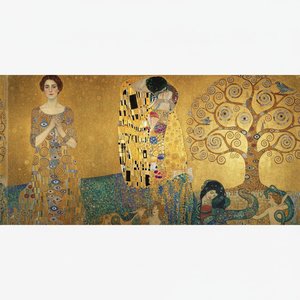
Atraskite 25 įspūdingiausius Gustavo Klimto kūrinius! Išsami analizė, istorijos ir simbolizmas. Įkvėpkite interjerui aukso spalvos paveikslus iš Vienos secesijos laikų. Kokybiškos reprodukcijos – Most-Famous-Paintings.com

Discover the enchanting world of Art Nouveau. Explore the flowing lines of Alphonse Mucha and learn how to integrate these timeless, organic masterpieces into your collection with expert guidance on fine art appreciation and preservation.


Sekite naujausias meno naujienas, išskirtinius pasiūlymus ir dekoravimo idėjas.
Pasakokite mums apie savo projektą, o mūsų meno ekspertai parengs jums 3 asmeniškus meno pasiūlymus.
Leiskite mums parinkti 3 variantus būtent jums – nemokamai!


 Peržiūrėti realybėje
 Pasidalinti
 Dalintis
 Išsamiau

 Atsisiųsti
 Panašūs eksponatai
 Rentgeno nuotrauka
 Automatinė diorama
 Skaityti daugiau







 Stiklo variantas prieinamas tik pasirinkus dydį iki 110 cm


