


x

 LithographArt Nouveau
 189719th Century
 41.0 x 31.0 cm
Muziejų lygio „giclée“ arba drobos spausdinimas: greita gamyba ir lankstios apdailos parinktys. ( Pirkti rankomis tapytą paveikslą Pirkti vaizdą)





























Pasirinkite iš mūsų nustatytų dydžių, atitinkančių originalaus meno kūrinio proporcijas.

Galite nurodyti savo matmenis, kad vaizdas atitiktų konkretų rėmą ar erdvę. Jei pasirinktas dydis nesutaps su originalaus paveikslėlio proporcijomis, mes arba apkirpsime kūrinį, arba išplėsime vaizdą naudojant veideliu atspindėtą arba vientisą šoną. Skaitmeninis maketas bus išsiųstas jums patvirtinti prieš pradedant gamybą.
Atkreipkite dėmesį, kad ekrane matomas vaizdinys neatspindi tikrojo apkirpimo ar išplėtimo. Tik maketas tiksliai parodytų galutinę kompoziciją.
Nors galima rinktis ir individualius dydžius, rekomenduojame pasirinkti vieną iš išanksti nustatytų matmenų, kad būtų išlaikytos originalios proporcijos.
Pristatymas visame pasaulyje () per 2 weeks, o ne įprastas 4/5 savaičių laikotarpis. (19 rugpjūtis)


Salome litho
Reprodukcijos matmenys
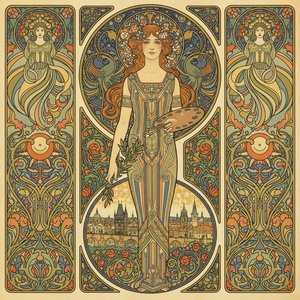
To gaze upon Alphonse Maria Mucha's Salome litho is to step directly into the opulent dreamscape of the late nineteenth century. This piece is not merely an illustration; it is a visual poem rendered in ink and pigment, encapsulating the very spirit of Art Nouveau. The style itself—with its sinuous, whiplash curves and organic embrace of form—was a deliberate rebellion against the rigid structures of academic art. Mucha masterfully channeled this movement's ethos, creating an aesthetic that celebrates nature’s fluidity and the exquisite curve of the human figure. Every flowing strand of hair, every drape of fabric, seems to move with an internal, rhythmic life, drawing the viewer into its mesmerizing current.
At the heart of the composition stands the central figure, Salome, whose presence is both captivating and deeply enigmatic. She is depicted in a state of poised concentration, her upward gaze suggesting communion with something unseen or divine. Her flowing gown seems less like woven material and more like liquid silk caught mid-swirl. The inclusion of the large wheel or spinning top adds an intriguing layer of symbolism—a suggestion of cyclical time, fate, or perhaps the turning nature of earthly desires. Flanking her, the two background figures complete a tableau vivant, grounding the central mystery within a richly populated narrative space. It is this careful orchestration of forms and gazes that gives the artwork its profound sense of mystique.
The choice of Salome, a figure steeped in biblical lore, speaks volumes about the cultural currents of Mucha's time. The late nineteenth century saw an intense fascination with mythology, the exotic, and narratives that touched upon profound spiritual or dramatic themes. Mucha did not simply illustrate a story; he imbued it with universal symbolism. The interplay between the earthly beauty of the woman and the weight of her narrative suggests a contemplation on desire, devotion, and the passage from mortal life to mythic legend. For the modern collector, this piece offers a tangible connection to an era when art was deeply intertwined with storytelling and decorative splendor.
The reproduction of this 1897 lithograph allows contemporary interiors to absorb the grandeur of a bygone artistic epoch. The delicate detail inherent in Mucha's technique—the way light seems to catch on jewelry, or how the background elements blend into the main subject—demands appreciation up close. Whether placed above a mantelpiece or incorporated into a gallery setting, this artwork acts as an immediate focal point, lending an air of sophisticated, bohemian elegance. It is a piece that whispers tales of Parisian salons and Bohemian artistry, transforming any space it graces with enduring beauty and artistic depth.

1860 - 1939 , Čekija
Explore the life & art of Alphonse Mucha, master of Art Nouveau! Discover his iconic posters, stunning illustrations, and the monumental Slav Epic. A comprehensive guide for collectors & enthusiasts.

Explore the world of giclée prints with Most-Famous-Paintings. Learn about archival quality, aesthetic nuances & investment potential. Expert guidance for discerning art collectors seeking museum-quality reproductions and lasting value.

Atraskite 10 legendinių Art Nouveau šedevrų! Gustav Klimt, Alphonse Mucha ir daugiau – meniniai pasiekimai, apibrėžę dekoratyvinio meno epochą. Pasinerkite į istorijas, spalvas ir grožį. Kokybiškos dailės reprodukcijos ir interjero idėjos Most-Famous-Paintings.com.

Explore 10 legendary lithographs by Toulouse-Lautrec, Munch & Picasso that redefined art! Discover the stories behind these iconic prints and find museum-quality reproductions for your home decor at Most-Famous-Paintings.com. Explore the full collection online.

Explore the rich history & techniques of fine art prints. Discover investment potential, assess authenticity, and learn how to preserve your collection with expert guidance. Trusted insights for discerning collectors.


Sekite naujausias meno naujienas, išskirtinius pasiūlymus ir dekoravimo idėjas.
Pasakokite mums apie savo projektą, o mūsų meno ekspertai parengs jums 3 asmeniškus meno pasiūlymus.
Leiskite mums parinkti 3 variantus būtent jums – nemokamai!


 Peržiūrėti realybėje
 Pasidalinti
 Dalintis
 Išsamiau

 Atsisiųsti
 Panašūs eksponatai
 Rentgeno nuotrauka
 Automatinė diorama
 Skaityti daugiau







 Stiklo variantas prieinamas tik pasirinkus dydį iki 110 cm


