


x


 Oil On CanvasWallArtFauvism
 1906
1906 81.0 x 100.0 cm
Muziejų lygio „giclée“ arba drobos spausdinimas: greita gamyba ir lankstios apdailos parinktys. ( Perejti prie rankinio darbo paveikslėlio Perjungti į vaizdą)





























Pasirinkite iš mūsų nustatytų dydžių, atitinkančių originalaus meno kūrinio proporcijas.

Galite nurodyti savo matmenis, kad vaizdas atitiktų konkretų rėmą ar erdvę. Jei pasirinktas dydis nesutaps su originalaus paveikslėlio proporcijomis, mes arba apkirpsime kūrinį, arba išplėsime vaizdą naudojant veideliu atspindėtą arba vientisą šoną. Skaitmeninis maketas bus išsiųstas jums patvirtinti prieš pradedant gamybą.
Atkreipkite dėmesį, kad ekrane matomas vaizdinys neatspindi tikrojo apkirpimo ar išplėtimo. Tik maketas tiksliai parodytų galutinę kompoziciją.
Nors galima rinktis ir individualius dydžius, rekomenduojame pasirinkti vieną iš išanksti nustatytų matmenų, kad būtų išlaikytos originalios proporcijos.
Pristatymas visame pasaulyje () per 2 weeks, o ne įprastas 4/5 savaičių laikotarpis. (31 liepa)


Charing Cross Bridge
Reprodukcijos matmenys
“Charing Cross Bridge” is inextricably linked to the broader context of early 20th-century art. The Fauvist movement, emerging in France around 1905, represented a radical departure from Impressionism and Post-Impressionism. Artists like Derain, Matisse, and Maurice de Wilde rejected traditional color harmonies and sought to create paintings that were purely subjective and emotionally charged. This was a time of immense social and technological change, and the Fauvist’s bold experimentation reflected a desire to break free from established conventions.
The painting's influence extends beyond its immediate aesthetic impact. It paved the way for subsequent movements like Expressionism, demonstrating the power of color to convey psychological states and subjective experiences. Derain's work is now housed in prestigious collections such as the Musée d’Orsay in Paris and the National Gallery of Art in Washington D.C., solidifying its place within art history.
Beyond its formal qualities, “Charing Cross Bridge” resonates with deeper symbolic meanings. The sunset, a recurring motif in art history, often represents the end of a cycle or the transition to a new phase. The bridge itself can be interpreted as a symbol of connection – connecting different parts of London, but also perhaps representing the connections between individuals and their environment.
Ultimately, “Charing Cross Bridge” is a painting that speaks to our primal emotions—our awe at the beauty of nature, our sense of wonder at the power of light, and our yearning for connection. It’s a testament to Derain's ability to translate these feelings into a powerfully expressive work of art.


1880 - 1954 , Prancūzija

Atraskite 25 įspūdingiausius Claude Monet šedevrus! Sužinokite apie impresionizmą, vandens lelijų paveikslus ir spalvų magiją. Meno reprodukcijos aukščiausia kokybe – Most-Famous-Paintings.com. Išsamesnės informacijos rasite internetu.
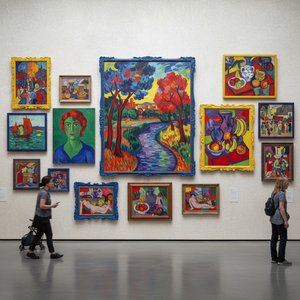
Atraskite fovizmo deimantus! 10 legendinių kūrinių, kuriuos pristato Henri Matisse ir kiti. Pažinkite spalvų revoliuciją bei įkvėpkite interjero dizainui. Aukštos kokybės meninės reprodukcijos – Most-Famous-Paintings.com
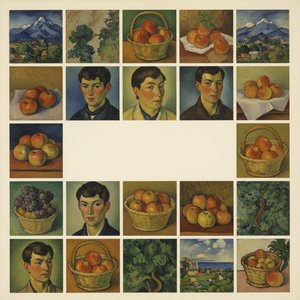
Atraskite 25 Paul Cézanno šedevrus! Išsami analizė, istorijos ir įkvėpimas interjero dekorui. Modernus menas, impresionizmas, natiurmortai – viskas Most-Famous-Paintings.com. Explore the full collection online!
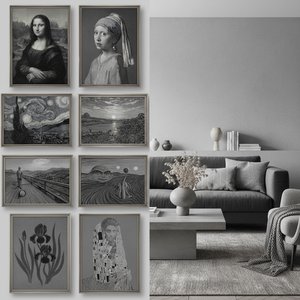
Explore 10 iconic gray paintings by masters like Rembrandt, Hopper & Whistler. Discover the stories behind these atmospheric artworks and find museum-quality art reproductions for your home decor at . Explore the full collection online.

Explore 10 famous paintings where 'Chrome Green' reigns supreme! Discover Monet, Manet & Van Gogh’s masterpieces. Learn the stories behind these iconic artworks and find museum-quality art reproductions for your home at .


Sekite naujausias meno naujienas, išskirtinius pasiūlymus ir dekoravimo idėjas.
Pasakokite mums apie savo projektą, o mūsų meno ekspertai parengs jums 3 asmeniškus meno pasiūlymus.
Leiskite mums parinkti 3 variantus būtent jums – nemokamai!


 Peržiūrėti realybėje
 Pasidalinti
 Dalintis
 Išsamiau

 Atsisiųsti
 Panašūs eksponatai
 Rentgeno nuotrauka
 Automatinė diorama
 Skaityti daugiau







 Stiklo variantas prieinamas tik pasirinkus dydį iki 110 cm


