


x

 Acrylic On CanvasWallArtEarly Renaissance
 1454
1454 171.0 x 78.0 cm
Muziejų lygio „giclée“ arba drobos spausdinimas: greita gamyba ir lankstios apdailos parinktys. ( Pirkti rankomis tapytą paveikslą Pirkti vaizdą)





























Pasirinkite iš mūsų nustatytų dydžių, atitinkančių originalaus meno kūrinio proporcijas.

Galite nurodyti savo matmenis, kad vaizdas atitiktų konkretų rėmą ar erdvę. Jei pasirinktas dydis nesutaps su originalaus paveikslėlio proporcijomis, mes arba apkirpsime kūrinį, arba išplėsime vaizdą naudojant veideliu atspindėtą arba vientisą šoną. Skaitmeninis maketas bus išsiųstas jums patvirtinti prieš pradedant gamybą.
Atkreipkite dėmesį, kad ekrane matomas vaizdinys neatspindi tikrojo apkirpimo ar išplėtimo. Tik maketas tiksliai parodytų galutinę kompoziciją.
Nors galima rinktis ir individualius dydžius, rekomenduojame pasirinkti vieną iš išanksti nustatytų matmenų, kad būtų išlaikytos originalios proporcijos.
Pristatymas visame pasaulyje () per 2 weeks, o ne įprastas 4/5 savaičių laikotarpis. (14 rugpjūtis)


St. Euphemia
Reprodukcijos matmenys
Andrea Mantegna’s “St. Euphemia,” completed in 1454, stands as a cornerstone of Early Renaissance art—a testament not merely to artistic skill but to an unwavering devotion to the principles championed by antiquity. Unlike many artists of his era who embraced classical ideals superficially, Mantegna undertook a profound intellectual quest: to resurrect Rome’s spirit within the burgeoning Italian landscape.
Mantegna’s artistic vision was fundamentally shaped by his engagement with Roman antiquities. As noted in biographical research, he actively studied Roman sculptures and inscriptions, recognizing their capacity to inspire artists with a new understanding of form and space. This fascination manifested itself in the painting's sculptural qualities—the deliberate flattening of perspective and the stylized depiction of figures—reflecting the humanist ideals prevalent during the Renaissance.
"St. Euphemia" transcends mere representation; it communicates profound spiritual contemplation. Mantegna’s meticulous attention to detail—the rendering of drapery folds, the subtle shading of skin tones—creates an immersive experience for the viewer. The painting's emotional impact is palpable: conveying St. Euphemia’s unwavering faith and resilience in the face of adversity.
A reproduction of “St. Euphemia” offers a glimpse into the artistic genius of Andrea Mantegna—a figure who dared to reimagine Renaissance art through the lens of antiquity. Its enduring appeal lies in its masterful composition, evocative symbolism, and unwavering commitment to sculptural realism.

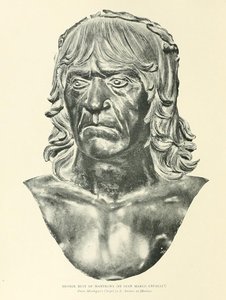
1431 - 1506 , Italija
Atraskite ankstyvojo renesanso šedevrus! 10 legendinių paveikslų, kuriuos sukūrė Leonardo da Vinci, Michelangelo ir Botticelli. Sužinokite apie meną, spalvas bei istoriją. Kokybiškos meno reprodukcijos – Most-Famous-Paintings.com. Išskirtinis dizainas Jūsų namams!

Explore the groundbreaking innovations & humanist ideals of Early Renaissance art (c. 1400-1500). Discover masterpieces by Botticelli, Fra Angelico & more. A deep dive for art enthusiasts.
Atraskite 25 įspūdingiausius Fra Angelico šedevrus! Renesanso meno grožis, religinė tapyba ir angelų paveikslai. Meno istorija, interjero dizaino idėjos bei aukštos kokybės reprodukcijos Most-Famous-Paintings.com. Explore the full collection online!

Explore the captivating world of Simone Martini, a pivotal figure in Sienese painting & the International Gothic style. Discover his innovative techniques, spiritual depth, and lasting influence on early Renaissance art.

Atraskite 25 įspūdingiausius Uffizi galerijos šedevrus Florencijoje! Leonardo da Vinci, Botticelli ir Mikelandželo kūriniai – meno istorija jūsų namams. Kokybiškos reprodukcijos ir interjero dekoravimo idėjos Most-Famous-Paintings.com.


Sekite naujausias meno naujienas, išskirtinius pasiūlymus ir dekoravimo idėjas.
Pasakokite mums apie savo projektą, o mūsų meno ekspertai parengs jums 3 asmeniškus meno pasiūlymus.
Leiskite mums parinkti 3 variantus būtent jums – nemokamai!


 Peržiūrėti realybėje
 Pasidalinti
 Dalintis
 Išsamiau

 Atsisiųsti
 Panašūs eksponatai
 Rentgeno nuotrauka
 Automatinė diorama
 Skaityti daugiau







 Stiklo variantas prieinamas tik pasirinkus dydį iki 110 cm


