Parduokite savo kūrybą
Trokimų sąrašas Prekių krepšelis Cart
x
Peržiūrėti realybėjePeržiūrėti realybėje Peržiūrėti ARPeržiūrėti AR Pirkti spaudinį Pirkti spaudinįPirkti rankomis tapytą paveikslą Pirkti rankomis tapytą paveikslą PasidalintiPasidalinti
IšsamiauIšsamiau Pridėti į mėgstamiausius Pridėti į mėgstamiausius AtsisiųstiAtsisiųsti Panašūs eksponataiPanašūs eksponatai Rentgeno nuotraukaRentgeno nuotrauka Automatinė dioramaAutomatinė diorama

Cardinal Granvelle's Dwarf

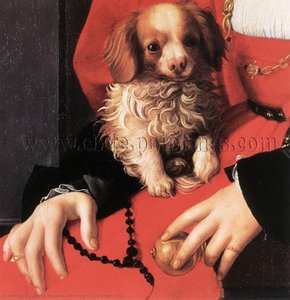
A captivating Renaissance portrait by Anthonis Mor van Dashorst depicting Cardinal Granvelle's dwarf, showcasing intricate detail and symbolic artistry from 1560.

Anthonis Mor van Dashorst (1517-1577) was a prolific Dutch portraitist of the Renaissance era. Known for his realistic depictions, he painted nobility & dignitaries like Mary Queen of England.

Įsigykite aukštos skiriamosios raiškos, patobulintą skaitmeninį vaizdą, gerokai pranašesnį už internetinę peržiūrą.

Kiekvieną failą mūsų specialistai kruopščiai paruošia naudojant pažangias technologijas ir profesionalų rankinį retušavimą. Užtikriname, kad kiekvienas vaizdas pasižymėtų išskirtiniu aiškumu, tikslia spalvų atspalviu ir smulkiomis detalėmis.

Baigiamas failas el. paštu pristatomas per 72 valandas; jis optimizuotas nedelsiant naudojimui profesionalioje, redakcinėje ir spausdinimo aplinkoje. Tai ta pati kokybė, kuria pasitiki aukščiausios klasės dizaino studijos, leidyklos ir galerijos.

Skaitmeninis vaizdas

Atsisiųskite didelės raiškos failą asmeniniam naudojimui, spausdinimui ir kūrybiniams projektams. (Pirkti spaudinį Pirkti spaudinįPirkti rankomis tapytą paveikslą Pirkti rankomis tapytą paveikslą)

Visų sumos kaina

$ 24,90

Kiekvieną skaitinio vaizdo užsakymą papildė

Profesionalus skaitmeninis pristatymas, garantuotas

Pasirinkę Most-Famous-Paintings.com, jūs ne tik gaunate paveikslėlį – jūs gaunate profesionaliai patobudintą skaitmeninį kūrinį, sukurtą itin tikniai ir užtikrinantį pasitenkinimą. Štai viską, kas automatiškai pritékia jūsų užsakymui:

shipping_icon
Greitas siuntimas el. paštu

Jūsų aukštos raiškos skaitmeninis vaizdo failas bus išsiųstas jums el. paštu per 72 valaudas nuo užsakymo – paruoštas naudojimui be jokių papildomų veiksmų.

canvas_icon
Skaitmeninis failas su dirbtiniu intelektu

Jūsų meno kūrinys profesionaliai optimizuojamas naudojant pažangius dirbtinio intelekto įrankius ir rankinį redagavimą, užtikrinant maksimalią detalę, aiškumą ir spalvų tikslumą.

insurance_icon
Nemokamas visam laikui pakartotinis siuntimas

Atsitiktinai ištrytikote ar praradote savo failą? Nebijokite – bet kuriuo metu atsiųsime jį jums vėl nemokamai.

tax_icon
Jokio importo mokesčio – niekada

Mėgaukitės savo meno kūriniu akimirka – skaitiniai failai visada yra neapmokestinami, todėl nereikės mokėti muitinės, mokesčių ar pristatymo mokesčių.

color_icon
Spalvų tikslumo garantija

Naudodami profesionalią įrangą ir spalvų valdymo sistemas, užtikriname, kad jūsų skaitmeninis vaizdas kuo tiksliau atspindėtų originalias spalvas.

return_icon
60 dienų pasitenkinimo garantija

Jei nebuvate patenkinti savo skaitinio vaizdo, per 60 dienų jį pertaisysime arba grąkinsime 100% sumą – be jokių klausimų.

guarantee_icon
100% pinigų grąžinimo garantija

Nepat 만족inti? Gaukite visą sumokėtą sumą per 60 dienų nuo skaitmeninio failo gavimo – be jokių papildomų klausimų.

discount_icon
Nuolaidos dideliems užsakymams

Pirkti 3 nuotraukas – pasiūla 10% - Pirkti 5 – pasiūla 15% - Pirkti 10 ir daugiau – pasiūla 20%. Puikiai tinka kūrybiniams projektams, galerijoms bei agentūroms.

Trumpos informacija

  • Title: Cardinal Granvelle's Dwarf
  • Location: Louvre Museum, Paris
  • Medium: Oil on panel
  • Influences: Titian
  • Dimensions: 126 x 92 cm
  • Notable elements or techniques: Symbolism; attention to detail
  • Year: 1560

Karo viktorina

Kiekviename klausime yra tik vienas teisingas atsakymas.

Klausimas 1:
Who is the artist credited with painting 'Cardinal Granvelle's Dwarf'?
Klausimas 2:
In what year is the painting 'Cardinal Granvelle's Dwarf' believed to have been created?
Klausimas 3:
What medium was used for the creation of this masterpiece?
Klausimas 4:
The painting is currently housed in which famous museum?
Klausimas 5:
What element in the painting suggests the boy's association with the noble family of Granvelle?

Kolekcinio objekto aprašymas

A Glimpse into Renaissance Nobility: The Allure of Cardinal Granvelle's Dwarf

To stand before Anthonis Mor Van Dashorst’s Cardinal Granvelle's Dwarf is to step directly into the opulent, richly textured world of the sixteenth-century Dutch aristocracy. This oil on panel painting, executed in 1560, transcends a mere portrait; it is a meticulously crafted tableau vivant, whispering tales of power, lineage, and social standing. The subject—a young boy with dwarfism, adorned in clothing of breathtaking extravagance—is presented not just as an individual, but as a potent symbol of the elevated circles that commissioned such works. Mor Van Dashorst captures the very essence of Renaissance grandeur, blending unflinching realism with an almost theatrical sense of occasion.

Mastery of Technique and Subject Matter

Mor Van Dashorst’s technical prowess is immediately apparent upon viewing the piece. The artist employed oil on panel, a medium that allowed him to achieve luminous depth and incredible detail. Observe the textures: the sumptuous folds of the boy's patterned coat, the delicate sheen of his hat feathers, and the rich, palpable fur of the large dog beside him. These details are rendered with an almost obsessive care, hallmarks of a master craftsman influenced by the grand traditions of Titian. The composition is masterful in its simplicity yet profound in its suggestion. The dark background serves not as emptiness, but as a velvet curtain against which the illuminated figures—the boy and his companion—are dramatically spotlighted, drawing the viewer's eye inexorably to their interaction.

Symbolism Woven into Silk and Steel

The narrative weight of this painting rests heavily on its symbolism. The dog, standing faithfully at the boy’s side, is more than a pet; it is an accessory laden with meaning. Its collar bears the unmistakable coat of arms of Antoine Perrenot de Granvelle, anchoring the entire scene to a specific, powerful noble family. This connection transforms the portrait into a visual testament to patronage and affiliation. The elaborate attire itself speaks volumes—it is a carefully curated display of wealth meant to communicate status across social strata. Every element, from the boy's bearing to the dog’s emblem, functions as a coded message understood by the elite who commissioned it.

An Enduring Echo for Modern Spaces

For the contemporary collector or designer, this artwork offers more than just historical beauty; it provides an immediate infusion of dramatic narrative and Old World sophistication. The combination of vibrant detail against a moody, deep background makes it an unparalleled focal point for any grand hall, library, or drawing-room. Owning a reproduction allows one to bring the rarefied air of the sixteenth-century court into modern life. It invites contemplation on status, beauty, and the enduring power of portraiture, making it a conversation piece that speaks eloquently of history and refined taste.


Autoriaus biografija

Anthonis Mor van Dashorst: The Painter of Regal Dignity

Anthonis Mor van Dashorst (1517-1577) stands as a cornerstone of Dutch Renaissance portraiture, embodying the meticulous realism and symbolic depth characteristic of his era. Born in Utrecht, Netherlands, he emerged from a family steeped in artistic tradition – his father was a sculptor, establishing a lineage dedicated to visual representation. While biographical details remain somewhat sparse, Mor’s prolific output speaks volumes about his talent and unwavering commitment to capturing the essence of his subjects. He quickly gained renown for his ability to portray nobility with unparalleled accuracy, securing commissions from influential figures across Europe.
  • Early Life & Training: Little is known definitively about Mor's formative years beyond his Utrecht upbringing. However, he studied under Pieter Bruegel the Elder in Antwerp, absorbing Bruegel’s masterful observation of human nature and landscape—influences that would permeate Mor’s own artistic vision.
  • Antwerp Period & Artistic Development: Mor’s time in Antwerp proved pivotal for his artistic maturation. He honed his skills alongside fellow artists like Quentin Massys and Hendrik Golse, immersing himself in the vibrant artistic milieu of the Flemish Republic. This exposure fostered a sophisticated understanding of perspective and chiaroscuro—techniques he skillfully employed to illuminate his portraits with dramatic light and shadow.

The Reign of Mary Tudor: A Masterpiece of Northern Renaissance Portraiture

Mor’s fame ascended dramatically upon completing his portrait of Mary Tudor, Queen of England (1554). This monumental canvas exemplifies the pinnacle of Mor’s artistic prowess. Executed with painstaking detail, it captures Mary's regal bearing and inner composure—a testament to Mor’s ability to convey psychological nuance alongside physical likeness. The composition is meticulously balanced, utilizing pyramidal structure and subtle drapery folds to emphasize Mary’s stature and dignity. Furthermore, the use of chiaroscuro creates a captivating interplay of light and dark, highlighting Mary's face and conveying an aura of solemn grandeur. This portrait cemented Mor’s reputation as one of the foremost portraitists of his time and remains a celebrated exemplar of Northern Renaissance art.
  • Royal Patronage & Artistic Recognition: Mor benefited greatly from royal patronage, securing commissions from monarchs across Europe—including Philip II of Spain. These engagements allowed him to explore ambitious projects and refine his artistic style, furthering his legacy as a court artist.
  • Notable Commissions & Artistic Style: Beyond Mary Tudor’s portrait, Mor undertook numerous commissions depicting prominent statesmen, diplomats, and aristocrats. His distinctive artistic style—characterized by meticulous realism, masterful perspective, and expressive chiaroscuro—became instantly recognizable. He consistently prioritized conveying not merely physical appearance but also character and emotion, elevating his portraits beyond mere likenesses into profound statements about human dignity.

Influence & Legacy

Mor’s influence extended far beyond his immediate contemporaries. His meticulous approach to portraiture established a precedent for subsequent generations of artists—inspiring them to strive for greater accuracy and psychological insight. He championed the humanist ideals prevalent during the Renaissance, reflecting an unwavering belief in the power of art to illuminate human experience. Today, Mor van Dashorst’s paintings continue to captivate audiences worldwide, serving as enduring reminders of the artistic brilliance achieved during the Dutch Golden Age—a period defined by innovation, ambition, and a profound appreciation for beauty.
anthonis mor van dashorst

anthonis mor van dashorst

1517 - 1577 , Netherlands

Trumpai apie šį kūrėją

  • Artistic Movement Or Style: Renaissance Portraiture
  • Artists Or Movements Influenced By This Artist: ['Baroque']
  • Artists Who Influenced This Artist:
    • Jan van Eyck
    • Rogier van der Weyden
  • Date Of Birth: 1517 Utrecht, Netherlands
  • Date Of Death: 1577
  • Full Name: Anthonis Mor van Dashorst
  • Nationality: Dutch
  • Notable Artworks:
    • Cardinal Granvelle's Dwarf
    • Queen Mary Tudor of England
    • Margaret, Duchess of Parma
  • Place Of Birth: Utrecht