x

 Acrylic On CanvasWallArtModern Sculpture
 1919
1919 13.0 x 8.0 cm
 The Hepworth Wakefield
Rankiniu būdu tapytas aliejus ant droblio jūsų pageidaujamame dydį ir rėmuose – mūsų menininkų darbas pagal užsakymą. ( Pirkti spaudinį Pirkti vaizdą)





























Pasirinkite iš mūsų nustatytų dydžių, atitinkančių originalaus meno kūrinio proporcijas.

Galite įvesti savo matmenis, kad jie atitiktų konkretų rėmą ar erdvę. Jei pasirinktas dydis neatitinka originalaus paveikslėlio proporcijų, mes arba apkropsime meno kūrinį, arba papildysime tapybą rankomis dažytい elementais. Prieš pradėdami gamybą, jūsų patvirtinimui atsiųsime skaitmeninį maketą.
Atkreipkite dėmesį, kad ekrane rodomas vaizdas neatspindi tikrojo apkarpymo ar papildymo. Tik maketas tiksliai parodys galutinę kompoziciją.
Nors galima rinktis ir individualius dydžius, rekomenduojame pasirinkti matmenis iš nustatytos sąrašo, kad būtų išlaikytos originalios proporcijos.
Pristatymas visame pasaulyje () per 3–4 savaites, o ne įprastai – per 5 savaites. (17 rugpjūtis). Kokybė lieka nepakeičiama.


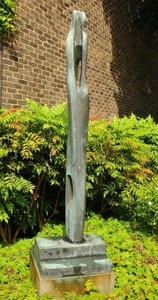
The Shadow Dance
Reprodukcijos matmenys
Barbara Hepworth’s “The Shadow Dance,” completed in 1919, is more than just a depiction of a woman performing ballet; it's a profound exploration of geometric abstraction infused with the ethereal beauty of moonlight. Executed in watercolour and ink on paper, this piece exemplifies Hepworth’s signature style – characterized by smooth, polished surfaces that convey both solidity and fluidity simultaneously.
Born in Wakefield, Yorkshire, in 1903, Barbara Hepworth embarked on her artistic journey at Leeds School of Art before securing a prestigious scholarship to the Royal College of Art (RCA) in London. Her formative years were marked by exposure to avant-garde movements like Cubism and Surrealism, shaping her aesthetic sensibilities and propelling her toward abstraction.
Hepworth meticulously crafted “The Shadow Dance,” utilizing a technique that prioritized tonal gradation and subtle textural variations. The artist skillfully blended watercolour pigments with ink to achieve luminous washes of colour—primarily shades of grey and pale blues—that mimic the diffused light filtering through trees during nighttime. This careful layering contributes to the painting’s atmospheric depth and conveys an impression of movement.
The composition itself speaks volumes about Hepworth's artistic intentions. The central figure embodies grace and poise, mirroring the dancer's posture—a deliberate reference to balletic tradition. However, Hepworth transcends mere representation; she seeks to capture an intangible essence – the dance of shadows cast by branches against the moonlit sky. This motif symbolizes transformation, vulnerability, and the interplay between light and darkness.
"The Shadow Dance" stands as a testament to Modernism’s conviction that art should prioritize form over narrative content. Hepworth joined forces with fellow artists like Ben Nicholson and Paul Nash in establishing the Unit One Art Movement, advocating for a fusion of Surrealist and Abstract principles within British artistic discourse. This movement championed geometric abstraction as a vehicle for conveying emotion and intellectual contemplation—a legacy evident in Hepworth’s enduring oeuvre.
Ultimately, “The Shadow Dance” succeeds in evoking a sense of serenity and wonder. The painting’s muted palette and graceful lines invite viewers to contemplate the sublime beauty of nature—specifically, the captivating luminescence of moonlight. Hepworth’s masterful execution captures not only visual details but also an emotional state—one imbued with contemplation and appreciation for artistic innovation.


1903 - 1975 , Jungtinė Karalystė

Explore the profound history of sculpture, from classical realism to modern abstraction. Discover the mastery of form, texture, and medium through an expert art-historical lens designed for discerning collectors and enthusiasts.


Sekite naujausias meno naujienas, išskirtinius pasiūlymus ir dekoravimo idėjas.
Pasakokite mums apie savo projektą, o mūsų meno ekspertai parengs jums 3 asmeniškus meno pasiūlymus.
Leiskite mums parinkti 3 variantus būtent jums – nemokamai!


 Peržiūrėti realybėje
 Pasidalinti
 Dalintis
 Išsamiau

 Atsisiųsti
 Panašūs eksponatai
 Rentgeno nuotrauka
 Automatinė diorama
 Skaityti daugiau







 Stiklo variantas prieinamas tik pasirinkus dydį iki 110 cm