


x

Rankiniu būdu tapytas aliejus ant droblio jūsų pageidaujamame dydį ir rėmuose – mūsų menininkų darbas pagal užsakymą. ( Switch to Print Switch to Image)
Pasirinkite iš mūsų nustatytų dydžių, atitinkančių originalaus meno kūrinio proporcijas.

Galite įvesti savo matmenis, kad jie atitiktų konkretų rėmą ar erdvę. Jei pasirinktas dydis neatitinka originalaus paveikslėlio proporcijų, mes arba apkropsime meno kūrinį, arba papildysime tapybą rankomis dažytい elementais. Prieš pradėdami gamybą, jūsų patvirtinimui atsiųsime skaitmeninį maketą.
Atkreipkite dėmesį, kad ekrane rodomas vaizdas neatspindi tikrojo apkarpymo ar papildymo. Tik maketas tiksliai parodys galutinę kompoziciją.
Nors galima rinktis ir individualius dydžius, rekomenduojame pasirinkti matmenis iš nustatytos sąrašo, kad būtų išlaikytos originalios proporcijos.
Pristatymas visame pasaulyje () per 3–4 savaites, o ne įprastai – per 5 savaites. (28 liepa). Kokybė lieka nepakeičiama.


Minerva
Reprodukcijos matmenys
Benvenuto Cellini's "Minerva," crafted in 1545 during the twilight of the High Renaissance, isn't merely a bronze sculpture; it’s a meticulously constructed embodiment of Roman virtue and strategic intellect. This imposing figure, standing nearly nine feet tall and housed within the hallowed halls of Florence’s Bargello Museum, commands attention not just through its scale but through the profound depth of its symbolism and the sheer virtuosity of Cellini's hand.
Cellini, a polymath renowned as a goldsmith, sculptor, and celebrated author of his own captivating autobiography, infused this work with the spirit of his era – a blend of Mannerist drama, classical ideals, and an undeniable flair for the theatrical. He wasn’t simply replicating a goddess; he was channeling her essence, imbuing the bronze with a palpable sense of power, wisdom, and strategic command. The sculpture represents Minerva, the Roman deity associated with intelligence, justice, and victory in battle – qualities that Cellini himself embodied throughout his extraordinary life.
The creation of "Minerva" is a testament to Cellini’s unparalleled skill as a sculptor. The piece exemplifies the lost-wax casting method, a technique demanding immense patience and precision. First, a wax model was meticulously crafted, capturing every nuance of Minerva's pose – her right arm raised in a gesture of authority, her left hand holding drapery that flows with dynamic grace. This delicate wax form was then encased in layers of clay, creating a robust mold. Once the clay hardened, it was carefully removed, revealing the wax model beneath. Finally, molten bronze was poured into the mold, filling every crevice and contour. Upon cooling, the mold was broken away, leaving behind the solid bronze sculpture.
Crucially, Cellini didn’t rely solely on the inherent beauty of the metal; he masterfully manipulated its surface to create a rich, complex patina – a layer of color achieved through controlled oxidation and polishing. The deep browns, ochres, and hints of reddish-browns aren't merely decorative; they enhance the sculpture’s three-dimensionality, highlighting the textures of the drapery, the musculature of Minerva’s body, and the subtle sheen of the bronze itself. This careful attention to surface detail elevates the work beyond a simple representation, transforming it into a truly immersive experience for the viewer.
Beyond its technical brilliance, "Minerva" is laden with symbolic meaning. The goddess’s posture – her raised arm and commanding gaze – immediately conveys authority and strategic thinking. Her attire, a flowing robe adorned with intricate folds, speaks to both dignity and grace. But it's the details that truly reveal Cellini’s intent. Minerva holds a shield, not of war, but one reflecting the image of the sea, symbolizing her dominion over both land and water – representing wisdom and strategy. The inclusion of marine creatures—horses, fish, and shells—further reinforces this connection to the ocean's depths, suggesting an understanding of hidden knowledge and strategic foresight.
The sculpture’s placement within the Loggia dei Lanzi in Florence is also significant. This open-air gallery, a showcase for Renaissance art, served as a public forum for artistic expression and intellectual debate. By placing "Minerva" here, Cellini sought to engage viewers in a contemplation of virtue, intellect, and the complexities of leadership – qualities that resonated deeply with the Florentine elite of his time.
“Minerva” stands as a pivotal work in Benvenuto Cellini’s oeuvre and a landmark achievement in Renaissance sculpture. It exemplifies the artist's mastery of technique, his profound understanding of symbolism, and his ability to capture the essence of classical ideals within a distinctly Mannerist style. More than just a beautiful object, it is a window into the mind of a remarkable artist – a testament to the enduring power of art to inspire, provoke thought, and transcend time.
Benvenuto Cellini (1500-1571) – tai iškili italų Renesanso asmenybė, garsėjusi ne tik kaip talentingas auksakalys ir skulptorius, bet ir kaip sumanus karys, muzikantas bei rašytojas. Jo daugiaprasmiškumas ir ryškus charakteris puikiai atsispindi jo autobiografijoje, laikomoje reikšmingu literatūros kūriniu kartu su jo meniniais pasiekimais. Cellini įkūnija manierizmo dvasią – epochą, sekusią Aukštajam Renesansui ir pasižymėjusią dramatiškumu bei stilistiniu sudėtingumu.
Gimęs Florencijoje šeimoje, kurioje muzika užėmė svarbią vietą – jo tėvas buvo muzikantas ir instrumentų gamintojas – Cellini iš pradžių demonstravo talentus muzikos srityje. Tačiau būdamas penkiolikos metų jis aštriai pasirinko auksakalybės kelią, įtikindamas nenorų tėvą priimti jį pas Antonio di Sandro (žinomą kaip Marcone) mokytis. Tai buvo jo formalios meninės karjeros pradžia. Ankstyvieji metai nebuvo be incidentų; šešiolikos metų jis pateko į konfliktinę situaciją su draugais, dėl ko buvo ištremtas iš Florencijos ir kurį laiką dirbo Sienoje pas auksakalį Fracastoro.
Cellini meninis stilius pasižymi dinamizmu, realizmu ir dėmesiu detalėms. Jis semiasi įkvėpimo iš klasikinės antikybės bei Mikelandželo stiprių figūrų, tačiau savo kūriniuose įneša savitą manierizmo pojūtį – prailgintas formas, padidintus pozas ir teatrališkumą. Jo darbai atspindi Renesanso žmogaus idealą – polimatą, kuris siekia tobulybės visose srityse.
Cellini gyvenimas neapsiribojo dirbtuvėmis. Jis tarnavo kariuomenėje apgulimų metu, teigdamas, jog vaidino lemiamą vaidmenį ginant Romą nuo imperijos pajėgų. Taip pat jis buvo talentingas muzikantas, grojo kornetą ir fleitą popiežiaus dvare. Tačiau būtent jo autobiografija jį išskiria iš kitų.
Jo autobiografija nėra tik įvykių aprašymas; tai kruopščiai sukonstruotas savęs portretas, skirtas parodyti jo talentus ir pateisinti veiksmus. Nors kartais ji gali būti nepatikima dėl paties Cellini nusistatymo, ji išlieka esminiu pirminiu šaltiniu Renesanso gyvenimo supratimui.
Benvenuto Cellini mirė Florencijoje 1571 metais, palikęs paveldą kaip vienas svarbiausių manierizmo menininkų. Jo techninis įgūdis, meninė inovacija ir įtraukianti autobiografija tebeturi įtakos menininkams ir meno entuziastams visame pasaulyje. Jis reprezentuoja esencinį Renesanso idealą – polimatą, apdovanotą daugybe disciplinų, skatinamą ambicijų ir nebijo išreikšti savo individualumo. Jo darbai yra švenčiami dėl grožio, meistriškumo ir dramatiškos galios, įtvirtindami jo vietą Vakarų meno istorijoje.

1500 - 1571 , Italija

Explore the life & art of Benvenuto Cellini, Renaissance goldsmith & sculptor. Discover his iconic 'Perseus,' masterful techniques, and enduring legacy – a collector's essential guide.
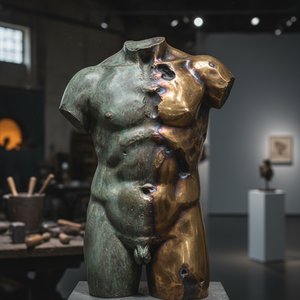
Atraskite bronzos skulptūrų amžiną grožį ir istoriją! Ekspertai apžvelgia prarasto vaško liejimo techniką, sudėtį bei žymiausius kūrinius. Patarimai kolekcionieriams ir meno entuziastams.

Explore the rich history & enduring appeal of bronze sculpture with expert insights for collectors at Most-Famous-Paintings. Learn about casting techniques, iconic artists, and collecting tips to build a discerning art collection.

Journey through art history with 10 legendary bronze sculptures – from Michelangelo's David to Rodin’s Thinker. Explore the stories, techniques & timeless beauty of these masterpieces. Find museum-quality reproductions & elevate your home decor on Most-Famous-Paintings.com.

Journey through art history with our Top 10 bronze sculptures! Explore masterpieces by Rodin, Michelangelo & more. Discover stories behind iconic statues and find museum-quality reproductions for your home decor at Most-Famous-Paintings.com.


Sekite naujausias meno naujienas, išskirtinius pasiūlymus ir dekoravimo idėjas.
Pasakokite mums apie savo projektą, o mūsų meno ekspertai parengs jums 3 asmeniškus meno pasiūlymus.
Leiskite mums parinkti 3 variantus būtent jums – nemokamai!


 Pasidalinti
 Dalintis
 Išsamiau

 Atsisiųsti
 Panašūs eksponatai
 Automatinė diorama


 Skaityti daugiau




































 Stiklo variantas prieinamas tik pasirinkus dydį iki 110 cm


