x

Rankiniu būdu tapytas aliejus ant droblio jūsų pageidaujamame dydį ir rėmuose – mūsų menininkų darbas pagal užsakymą. ( Pirkti spaudinį Pirkti vaizdą)





























Pasirinkite iš mūsų nustatytų dydžių, atitinkančių originalaus meno kūrinio proporcijas.

Galite įvesti savo matmenis, kad jie atitiktų konkretų rėmą ar erdvę. Jei pasirinktas dydis neatitinka originalaus paveikslėlio proporcijų, mes arba apkropsime meno kūrinį, arba papildysime tapybą rankomis dažytい elementais. Prieš pradėdami gamybą, jūsų patvirtinimui atsiųsime skaitmeninį maketą.
Atkreipkite dėmesį, kad ekrane rodomas vaizdas neatspindi tikrojo apkarpymo ar papildymo. Tik maketas tiksliai parodys galutinę kompoziciją.
Nors galima rinktis ir individualius dydžius, rekomenduojame pasirinkti matmenis iš nustatytos sąrašo, kad būtų išlaikytos originalios proporcijos.
Pristatymas visame pasaulyje () per 3–4 savaites, o ne įprastai – per 5 savaites. (16 rugpjūtis). Kokybė lieka nepakeičiama.


Satyr
Reprodukcijos matmenys
Benvenuto Cellini’s “Satyr” stands as a captivating testament to the dynamism and sensual allure that defined the Mannerist period in Italian art. Completed around 1545, this bronze sculpture transcends mere representation; it embodies the very spirit of Dionysian revelry and the untamed beauty of the natural world. More than just a depiction of a mythological creature, Cellini’s satyr is an embodiment of potent emotion – a moment frozen in time, brimming with both mischievous energy and a profound, almost melancholic contemplation.
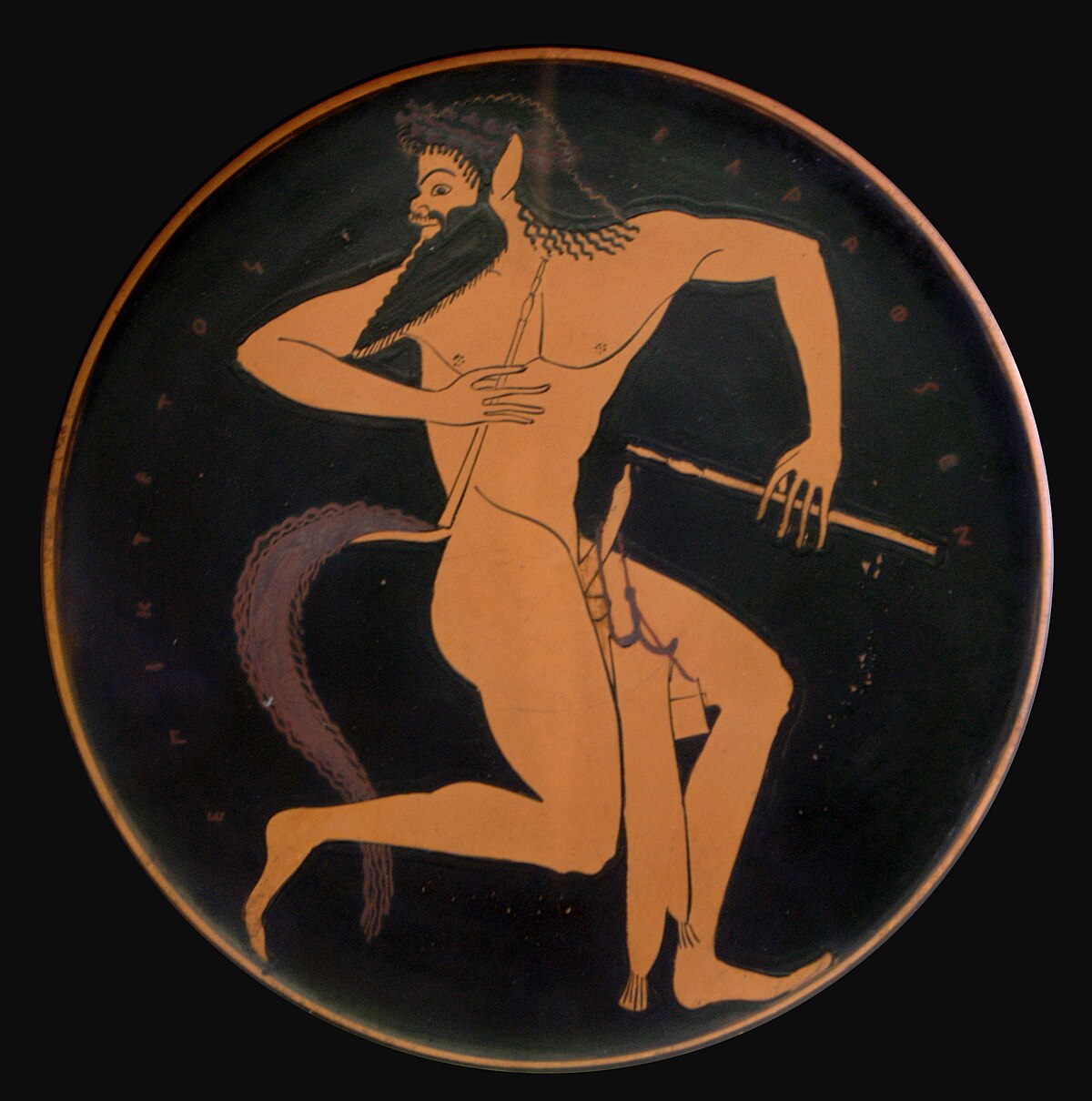
The sculpture itself is a marvel of technical skill and expressive form. Standing nearly four feet tall, the satyr is rendered in a remarkably realistic style, yet imbued with an unmistakable Mannerist flair. His muscular physique, accentuated by the strong lines of his arms and belly, speaks to a primal vitality – a celebration of the body’s inherent power. The details are exquisite: the unruly curls of his hair, the intense gaze of his eyes, the subtle suggestion of a mischievous grin. Notably, the bronze is treated with a rich, aged patina that adds depth and character, hinting at the passage of time and the sculpture's journey through history.
Cellini’s satyr isn’t simply a charming figure from Greek mythology; it’s deeply rooted in the cultural context of the 16th century. Satyrs, companions to the god Dionysus, were traditionally associated with wildness, intoxication, music, and fertility – potent symbols of human desires and impulses. In Renaissance Florence, these themes resonated powerfully, particularly within the circles of artists and intellectuals who sought to reconcile classical ideals with contemporary sensibilities. Cellini’s work reflects this complex interplay, capturing both the exuberance and the underlying melancholy inherent in the satyr's existence.
The sculpture’s creation coincided with Cellini’s time at the court of Francis I of France, a period marked by lavish patronage and an embrace of Mannerist aesthetics. This royal commission further elevated the work, imbuing it with a sense of grandeur and sophistication. The choice of bronze as the medium itself is significant – a material prized for its durability, luster, and ability to capture intricate detail.
Beyond its mythological subject matter, “Satyr” is rich in symbolic meaning. The satyr’s gesture—raised hand, as if reaching out or beckoning—suggests an invitation into a world of pleasure and abandon. The sculpture's composition, with the satyr presented in profile, creates a sense of intimacy and immediacy, drawing the viewer into his gaze. Cellini masterfully employed techniques such as *repoussé* (hammering metal from the reverse side to create relief) and *chasing* (using tools to refine the surface of the metal), demonstrating his exceptional skill as a goldsmith and sculptor.
The sculpture’s hollow back, filled with fragments of burnt clay and wooden pegs, is particularly intriguing. This deliberate inclusion suggests a layering of meaning—a reference to the satyr's connection to the earth and the cyclical nature of life and death. It also hints at Cellini’s own fascination with materials and his desire to create works that were both beautiful and intellectually stimulating.
Benvenuto Cellini’s “Satyr” remains a powerful and evocative work of art, captivating viewers with its blend of mythological narrative, technical brilliance, and emotional depth. It is a window into the Renaissance world—a celebration of human creativity, sensual desire, and the enduring power of myth. Reproductions by Most-Famous-Paintings offer an exceptional opportunity to bring this iconic masterpiece into your home or office, allowing you to appreciate its beauty and complexity for years to come.

Benvenuto Cellini (1500-1571) – tai iškili italų Renesanso asmenybė, garsėjusi ne tik kaip talentingas auksakalys ir skulptorius, bet ir kaip sumanus karys, muzikantas bei rašytojas. Jo daugiaprasmiškumas ir ryškus charakteris puikiai atsispindi jo autobiografijoje, laikomoje reikšmingu literatūros kūriniu kartu su jo meniniais pasiekimais. Cellini įkūnija manierizmo dvasią – epochą, sekusią Aukštajam Renesansui ir pasižymėjusią dramatiškumu bei stilistiniu sudėtingumu.
Gimęs Florencijoje šeimoje, kurioje muzika užėmė svarbią vietą – jo tėvas buvo muzikantas ir instrumentų gamintojas – Cellini iš pradžių demonstravo talentus muzikos srityje. Tačiau būdamas penkiolikos metų jis aštriai pasirinko auksakalybės kelią, įtikindamas nenorų tėvą priimti jį pas Antonio di Sandro (žinomą kaip Marcone) mokytis. Tai buvo jo formalios meninės karjeros pradžia. Ankstyvieji metai nebuvo be incidentų; šešiolikos metų jis pateko į konfliktinę situaciją su draugais, dėl ko buvo ištremtas iš Florencijos ir kurį laiką dirbo Sienoje pas auksakalį Fracastoro.
Cellini meninis stilius pasižymi dinamizmu, realizmu ir dėmesiu detalėms. Jis semiasi įkvėpimo iš klasikinės antikybės bei Mikelandželo stiprių figūrų, tačiau savo kūriniuose įneša savitą manierizmo pojūtį – prailgintas formas, padidintus pozas ir teatrališkumą. Jo darbai atspindi Renesanso žmogaus idealą – polimatą, kuris siekia tobulybės visose srityse.
Cellini gyvenimas neapsiribojo dirbtuvėmis. Jis tarnavo kariuomenėje apgulimų metu, teigdamas, jog vaidino lemiamą vaidmenį ginant Romą nuo imperijos pajėgų. Taip pat jis buvo talentingas muzikantas, grojo kornetą ir fleitą popiežiaus dvare. Tačiau būtent jo autobiografija jį išskiria iš kitų.
Jo autobiografija nėra tik įvykių aprašymas; tai kruopščiai sukonstruotas savęs portretas, skirtas parodyti jo talentus ir pateisinti veiksmus. Nors kartais ji gali būti nepatikima dėl paties Cellini nusistatymo, ji išlieka esminiu pirminiu šaltiniu Renesanso gyvenimo supratimui.
Benvenuto Cellini mirė Florencijoje 1571 metais, palikęs paveldą kaip vienas svarbiausių manierizmo menininkų. Jo techninis įgūdis, meninė inovacija ir įtraukianti autobiografija tebeturi įtakos menininkams ir meno entuziastams visame pasaulyje. Jis reprezentuoja esencinį Renesanso idealą – polimatą, apdovanotą daugybe disciplinų, skatinamą ambicijų ir nebijo išreikšti savo individualumo. Jo darbai yra švenčiami dėl grožio, meistriškumo ir dramatiškos galios, įtvirtindami jo vietą Vakarų meno istorijoje.

1500 - 1571 , Italija

Discover the enduring elegance of bronze sculpture. Our expert guide explores lost-wax casting, patina mastery, and professional tips for collecting and commissioning museum-quality bronze art to create a lasting legacy in your private collection.
Elevate your collection with our expert guide to bronze sculpture. Discover the mastery of lost-wax casting, the artistry of patination, and professional insights for acquiring timeless metal masterpieces that define sophisticated interiors.

Explore the profound history of gold leaf and gilding in Byzantine and Renaissance art. Discover how this sacred technique transformed religious iconography into celestial phenomena through light, symbolism, and unparalleled craftsmanship.


Sekite naujausias meno naujienas, išskirtinius pasiūlymus ir dekoravimo idėjas.
Pasakokite mums apie savo projektą, o mūsų meno ekspertai parengs jums 3 asmeniškus meno pasiūlymus.
Leiskite mums parinkti 3 variantus būtent jums – nemokamai!


 Peržiūrėti realybėje
 Pasidalinti
 Dalintis
 Išsamiau

 Atsisiųsti
 Panašūs eksponatai
 Rentgeno nuotrauka
 Automatinė diorama

 Skaityti daugiau







 Stiklo variantas prieinamas tik pasirinkus dydį iki 110 cm