Parduokite savo kūrybą
Trokimų sąrašas Prekių krepšelis Cart
x
Peržiūrėti realybėjePeržiūrėti realybėje Peržiūrėti ARPeržiūrėti AR Pirkti rankomis tapytą paveikslą Pirkti rankomis tapytą paveiksląPirkti vaizdą Pirkti vaizdą PasidalintiPasidalinti
IšsamiauIšsamiau Pridėti į mėgstamiausius Pridėti į mėgstamiausius AtsisiųstiAtsisiųsti Panašūs eksponataiPanašūs eksponatai Rentgeno nuotraukaRentgeno nuotrauka Automatinė dioramaAutomatinė diorama

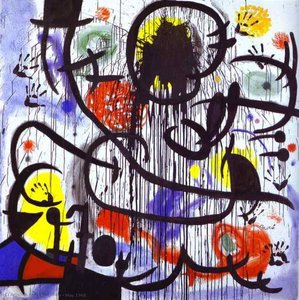
Number 3

  • Sukūrimo data1948
  • Matmenys101.0 x 127.0 cm

A master of New York School abstract expressionism, Bradley Walker Tomlin brought a unique inner logic to works like Tension by Moonlight, beckoning you to explore the delicate balance of his classical forms.

Giclée / Meno spausdinimas

Muziejų lygio „giclée“ arba drobos spausdinimas: greita gamyba ir lankstios apdailos parinktys. (Pirkti rankomis tapytą paveikslą Pirkti rankomis tapytą paveiksląPirkti vaizdą Pirkti vaizdą)

Standard
custom
CM
INCH

Pasirinkite iš mūsų nustatytų dydžių, atitinkančių originalaus meno kūrinio proporcijas.

plotis
aukštis

Galite nurodyti savo matmenis, kad vaizdas atitiktų konkretų rėmą ar erdvę. Jei pasirinktas dydis nesutaps su originalaus paveikslėlio proporcijomis, mes arba apkirpsime kūrinį, arba išplėsime vaizdą naudojant veideliu atspindėtą arba vientisą šoną. Skaitmeninis maketas bus išsiųstas jums patvirtinti prieš pradedant gamybą.
Atkreipkite dėmesį, kad ekrane matomas vaizdinys neatspindi tikrojo apkirpimo ar išplėtimo. Tik maketas tiksliai parodytų galutinę kompoziciją.
Nors galima rinktis ir individualius dydžius, rekomenduojame pasirinkti vieną iš išanksti nustatytų matmenų, kad būtų išlaikytos originalios proporcijos.

Pristatymas visame pasaulyje () per 2 weeks, o ne įprastas 4/5 savaičių laikotarpis. (15 rugpjūtis)

why_choose_icon
Nemokamas greitasis pristatymas visame pasaulyje
why_choose_icon
Aukštos kokybės lininis drobė
why_choose_icon
Pilnas siuntimo draudimas
why_choose_icon
Muitinės mokesčių grąžinimo garantija
why_choose_icon
Tikro spalvų atitikimo garantija
why_choose_icon
60 dienų grąžinimo politika (tik esant gamyklinėms defektams)
why_choose_icon
100% pinigų grąžinimo garantija
why_choose_icon
Nuolaida už kelias reprodukcijas

Visų darbų kaina

$ 68

reproduction

Number 3

Giclée / Meno spausdinimas

Reprodukcijos matmenys

-

Galutinė kaina

$ 68


Autoriaus biografija

The Architect of Inner Logic

Bradley Walker Tomlin, often affectionately known as “Tommy,” occupied a singular and profoundly disciplined space within the vibrant, often chaotic constellation of the New York School. While many of his contemporaries in the Abstract Expressionist movement sought truth through the raw spontaneity of chance and the unbridled gesture, Tomlin pursued a different, more cerebral path. His work was defined by an unwavering commitment to what he termed inner logic—a profound belief that form itself could articulate complex emotional landscapes and philosophical truths through a sense of structural perfection. Born in Syracuse, New York, in 1899, his early years were marked by a precocious dedication to the classical principles of art, a foundation that would later allow him to navigate the avant-garde waters of mid-century modernism without losing his sense of compositional equilibrium.

A Journey Through Form and Influence

The evolution of Tomlin’s aesthetic was deeply shaped by his exposure to the broader European tradition. His travels through England, Italy, and Switzerland, culminating in a transformative period in Paris, provided him with a rich tapestry of cultural influences that bridged the gap between classical training and modern experimentation. In the early stages of his career, Tomlin was noted for his lyrical Cubist still lifes, works that possessed a rhythmic grace and a structured clarity. However, as the mid-1940s approached, a profound shift occurred. Influenced by the semi-automatic methods of Adolph Gottlieb, Tomlin began to explore a more fluid, calligraphic language. This period saw the emergence of masterpieces such as Tensions by Moonlight (1948), where the delicate interplay of line and space reflected an interest in Japanese calligraphy and a newfound, albeit carefully managed, sense of freedom. To understand the breadth of his stylistic development, one must consider the core elements that defined his practice:
  • Structural Integrity: A persistent striving toward a classical sense of perfection and harmony.
  • Calligraphic Fluidity: The use of graceful, sweeping lines to create a floating network of shapes.
  • Controlled Spontaneity: A rejection of pure randomness in favor of a premeditated, logical arrangement.

The Harmony of Controlled Spontaneity

In the final years of his life, Tomlin achieved a masterful synthesis of opposing forces: the tension between improvisational liberty and premeditated control. He grew wary of pure randomness, seeking instead to imbue his canvases with a distinctive, elegiac melancholy. His later works, such as Number 9: In Praise of Gertrude Stein (1950), demonstrate a sophisticated use of calligraphic and typographic shapes that float within a controlled network across the canvas surface. This meticulous approach created a sense of "unalterable rightness," a feeling of miraculous completion that remains his greatest legacy. Through his ability to balance the weight of tradition with the energy of abstraction, Tomlin left behind a body of work that stands as a testament to the power of harmony, proving that even within the most abstract realms, there exists a profound and enduring logic.
Bradley Walker Tomlin

Bradley Walker Tomlin

1899 - 1953 , United States of America

Trumpa informacija

  • Artistic Movement Or Style: Abstract Expressionism
  • Artists Who Influenced This Artist: ['Adolph Gottlieb']
  • Date Of Birth: August 19, 1899
  • Date Of Death: May 11, 1953
  • Full Name: Bradley Walker Tomlin
  • Nationality: American
  • Notable Artworks:
    • Number 20
    • Number 3
    • Tension by Moonlight
    • Number 9: In Praise of Gertrude Stein
  • Place Of Birth: Syracuse, United States