x

 Aliejus ant drobėsSieninis menasBaroque
 1593Renesansas
 67.0 x 53.0 cm
 Galleria Borghese
Muziejų lygio „giclée“ arba drobos spausdinimas: greita gamyba ir lankstios apdailos parinktys. ( Pirkti rankomis tapytą paveikslą Pirkti vaizdą)





























Pasirinkite iš mūsų nustatytų dydžių, atitinkančių originalaus meno kūrinio proporcijas.

Galite nurodyti savo matmenis, kad vaizdas atitiktų konkretų rėmą ar erdvę. Jei pasirinktas dydis nesutaps su originalaus paveikslėlio proporcijomis, mes arba apkirpsime kūrinį, arba išplėsime vaizdą naudojant veideliu atspindėtą arba vientisą šoną. Skaitmeninis maketas bus išsiųstas jums patvirtinti prieš pradedant gamybą.
Atkreipkite dėmesį, kad ekrane matomas vaizdinys neatspindi tikrojo apkirpimo ar išplėtimo. Tik maketas tiksliai parodytų galutinę kompoziciją.
Nors galima rinktis ir individualius dydžius, rekomenduojame pasirinkti vieną iš išanksti nustatytų matmenų, kad būtų išlaikytos originalios proporcijos.
Pristatymas visame pasaulyje () per 2 weeks, o ne įprastas 4/5 savaičių laikotarpis. (18 rugpjūtis)


Sick Bacchus
Reprodukcijos matmenys
Michelangelo Merisi da Caravaggio’s ‘Young Sick Bacchus,’ completed around 1593, stands as a cornerstone of Baroque art—a testament to his unparalleled ability to convey profound emotion through masterful realism. Housed in the Galleria Borghese in Rome, this painting transcends mere depiction; it delves into the human condition itself, capturing a moment of fragility and confronting viewers with an unflinching gaze.
Caravaggio’s genius resided not merely in his subject matter but also in his groundbreaking technique – chiaroscuro. Unlike Renaissance artists who favored subtle gradations of light, Caravaggio employed stark contrasts to sculpt the form and heighten emotional impact. Light emanates from an unseen source, illuminating Bacchus's face and torso while plunging the surrounding drapery into deep shadows. This dramatic effect wasn’t simply stylistic; it served as a powerful tool for conveying psychological depth.
'Young Sick Bacchus' is laden with symbolic meaning, reflecting Caravaggio’s preoccupation with mortality and human suffering. The grapes represent excess and indulgence, mirroring the artist’s own turbulent life—marked by violence and exile. However, beyond this biographical resonance lies a broader meditation on the human condition. The pallor of Bacchus’s skin serves as a visual metaphor for illness, prompting viewers to confront uncomfortable truths about vulnerability and decay.
Caravaggio's influence extended far beyond the confines of Rome, inspiring artists across Europe—including Rubens and Rembrandt—who adopted his dramatic chiaroscuro style. ‘Young Sick Bacchus’ remains an enduring masterpiece, captivating audiences with its unflinching realism and profound emotional resonance. It serves as a poignant reminder that art can transcend mere representation, capturing the essence of human experience in ways that continue to resonate centuries later.
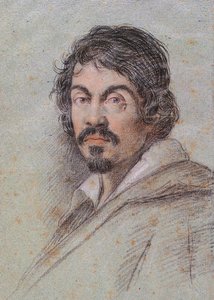
1571 - 1610 , Ispanija
Atraskite 10 baroko šedevrų, kurie apibrėžė epoką! Karolis Rubenzas, Berninis ir kiti meistrai – jų kūriniai, istorijos bei spalvos. Aukščiausios kokybės dailės reprodukcijos ir interjero įkvėpimas Most-Famous-Paintings.com. Išnagrinėkite visą kolekciją internete!

Embark on a sophisticated journey through Italian Baroque art. Discover the dramatic interplay of light and emotion in Caravaggio’s masterpieces and explore how to bring this timeless grandeur into your collection with expert art insights.

Explore the revolutionary realism of Caravaggio! Discover his mastery of light & shadow (tenebrism), dramatic religious scenes, and lasting influence on Baroque art history. A comprehensive guide for art enthusiasts.

Explore the dramatic world of Baroque art! Discover iconic artists like Caravaggio & Rubens, defining techniques, and its lasting impact on art history. Expert insights for collectors & enthusiasts at Most-Famous-Paintings.

Explore the dramatic world of Baroque art! Discover iconic masters like Caravaggio & Rembrandt, their techniques, and the movement's lasting impact. Expert insights for collectors & enthusiasts at Most-Famous-Paintings.


Sekite naujausias meno naujienas, išskirtinius pasiūlymus ir dekoravimo idėjas.
Pasakokite mums apie savo projektą, o mūsų meno ekspertai parengs jums 3 asmeniškus meno pasiūlymus.
Leiskite mums parinkti 3 variantus būtent jums – nemokamai!


 Peržiūrėti realybėje
 Pasidalinti
 Dalintis
 Išsamiau

 Atsisiųsti
 Panašūs eksponatai
 Rentgeno nuotrauka
 Automatinė diorama
 Skaityti daugiau







 Stiklo variantas prieinamas tik pasirinkus dydį iki 110 cm