Parduokite savo kūrybą
Trokimų sąrašas Prekių krepšelis Cart
x
Peržiūrėti realybėjePeržiūrėti realybėje Peržiūrėti ARPeržiūrėti AR Pirkti spaudinį Pirkti spaudinįPirkti rankomis tapytą paveikslą Pirkti rankomis tapytą paveikslą PasidalintiPasidalinti
IšsamiauIšsamiau Pridėti į mėgstamiausius Pridėti į mėgstamiausius AtsisiųstiAtsisiųsti Panašūs eksponataiPanašūs eksponatai Rentgeno nuotraukaRentgeno nuotrauka Automatinė dioramaAutomatinė diorama

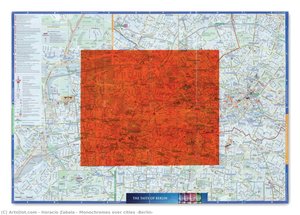
Untitled

  • Sukūrimo data2014
  • Matmenys700.0 x 80.0 cm

Explore the minimalist abstract art of Choi Byungso (1943-2020), a celebrated Korean artist known for his elegant pencil works & profound simplicity.

Įsigykite aukštos skiriamosios raiškos, patobulintą skaitmeninį vaizdą, gerokai pranašesnį už internetinę peržiūrą.

Kiekvieną failą mūsų specialistai kruopščiai paruošia naudojant pažangias technologijas ir profesionalų rankinį retušavimą. Užtikriname, kad kiekvienas vaizdas pasižymėtų išskirtiniu aiškumu, tikslia spalvų atspalviu ir smulkiomis detalėmis.

Baigiamas failas el. paštu pristatomas per 72 valandas; jis optimizuotas nedelsiant naudojimui profesionalioje, redakcinėje ir spausdinimo aplinkoje. Tai ta pati kokybė, kuria pasitiki aukščiausios klasės dizaino studijos, leidyklos ir galerijos.

Skaitmeninis vaizdas

Atsisiųskite didelės raiškos failą asmeniniam naudojimui, spausdinimui ir kūrybiniams projektams. (Pirkti spaudinį Pirkti spaudinįPirkti rankomis tapytą paveikslą Pirkti rankomis tapytą paveikslą)

Visų sumos kaina

$ 24,90

Kiekvieną skaitinio vaizdo užsakymą papildė

Profesionalus skaitmeninis pristatymas, garantuotas

Pasirinkę Most-Famous-Paintings.com, jūs ne tik gaunate paveikslėlį – jūs gaunate profesionaliai patobudintą skaitmeninį kūrinį, sukurtą itin tikniai ir užtikrinantį pasitenkinimą. Štai viską, kas automatiškai pritékia jūsų užsakymui:

shipping_icon
Greitas siuntimas el. paštu

Jūsų aukštos raiškos skaitmeninis vaizdo failas bus išsiųstas jums el. paštu per 72 valaudas nuo užsakymo – paruoštas naudojimui be jokių papildomų veiksmų.

canvas_icon
Skaitmeninis failas su dirbtiniu intelektu

Jūsų meno kūrinys profesionaliai optimizuojamas naudojant pažangius dirbtinio intelekto įrankius ir rankinį redagavimą, užtikrinant maksimalią detalę, aiškumą ir spalvų tikslumą.

insurance_icon
Nemokamas visam laikui pakartotinis siuntimas

Atsitiktinai ištrytikote ar praradote savo failą? Nebijokite – bet kuriuo metu atsiųsime jį jums vėl nemokamai.

tax_icon
Jokio importo mokesčio – niekada

Mėgaukitės savo meno kūriniu akimirka – skaitiniai failai visada yra neapmokestinami, todėl nereikės mokėti muitinės, mokesčių ar pristatymo mokesčių.

color_icon
Spalvų tikslumo garantija

Naudodami profesionalią įrangą ir spalvų valdymo sistemas, užtikriname, kad jūsų skaitmeninis vaizdas kuo tiksliau atspindėtų originalias spalvas.

return_icon
60 dienų pasitenkinimo garantija

Jei nebuvate patenkinti savo skaitinio vaizdo, per 60 dienų jį pertaisysime arba grąkinsime 100% sumą – be jokių klausimų.

guarantee_icon
100% pinigų grąžinimo garantija

Nepat 만족inti? Gaukite visą sumokėtą sumą per 60 dienų nuo skaitmeninio failo gavimo – be jokių papildomų klausimų.

discount_icon
Nuolaidos dideliems užsakymams

Pirkti 3 nuotraukas – pasiūla 10% - Pirkti 5 – pasiūla 15% - Pirkti 10 ir daugiau – pasiūla 20%. Puikiai tinka kūrybiniams projektams, galerijoms bei agentūroms.

Kolekcinio objekto aprašymas

In the 1970s, CHOI Byungso repeatedly erased newspapers with pencils and ballpoint pens to show his existence as an injustice of meaning. Instead of canvas and paint, the writer chooses newspaper and ballpoint pen, which are easily seen in daily life, as the main ingredients for his work. After countless repetitions with a ballpoint pen on a newspaper full of type, even the traces of the ballpoint pen are erased with a pencil, leaving a black monochromatic screen. Newspapers are similar, thinned or torn, and eventually turned into shiny black skins. In this way, the writer is absorbed in integrating the newspaper with the ballpoint pen. They are absorbed and brought into contact with each other and broken, and generate heat and burn by friction. Through this process, Choi Byung-seo experiences living things and trains his mind. Newspapers are then reborn as one noble and pure substance.

Autoriaus biografija

A Life Etched in Graphite: The Singular Vision of Choi Byungso

Choi Byungso, born in Seoul, South Korea, in 1943 and passing away in 2020, was an artist whose work resonated with a quiet power—a testament to the enduring human spirit amidst political turbulence and a profound exploration of time’s relentless passage. His life unfolded against a backdrop of immense change; the Korean War cast a long shadow over his childhood, while the authoritarian regimes that followed shaped not only the social landscape but also the very fabric of artistic expression. It was within this context that Choi began to forge a unique path, one defined by an almost monastic dedication to the act of erasure and re-creation on the humble surface of newspaper. He wasn’t merely creating art; he was engaging in a dialogue with history, memory, and the ephemeral nature of existence itself.

The Birth of a Practice: Resistance, Ritual, and the Newspaper Page

In the 1970s, as South Korea grappled with strict government control over information, Choi Byungso embarked on a practice that was both deeply personal and subtly subversive. He began systematically covering newspaper pages—a readily available medium saturated with often-distorted narratives—with layers of ballpoint pen ink, followed by countless strokes of pencil. This wasn’t simply about obliterating content; it was an act of resistance against the manipulation of truth, a reclaiming of space from imposed ideologies. The repetitive nature of this process transformed the mundane into ritual, each stroke a visible manifestation of discipline and a quiet defiance. As he himself noted, his work reflected “an attitude of returning to a pre-civilization era by eliminating text and images.” The resulting surfaces—charred black planes bearing the ghostly imprint of former headlines—became potent symbols of loss, memory, and the weight of history. The act itself became paramount; the newspaper wasn’t merely a support but an active participant in the creation, its inherent fragility mirroring the impermanence of information and the fleeting nature of time.

Beyond Dansaekhwa: A Unique Voice in Korean Minimalism

While Choi Byungso's monochromatic palette and emphasis on materiality often drew comparisons to the *Dansaekhwa* movement—the Korean monochrome painting tradition that emerged in the 1970s—his work occupies a distinctive space within the broader landscape of contemporary art. Like his *Dansaekhwa* contemporaries, such as Park Seo-Bo and Ha Chong-Hyun, he explored the physicality of materials and sought to transcend representational forms. However, Choi’s practice diverged in its specific methodology and conceptual underpinnings. He wasn't solely focused on exploring the inherent qualities of paint or canvas; his engagement with newspaper introduced a layer of social commentary and historical consciousness absent in much of *Dansaekhwa*. Early works, including installations featuring iron cores and decaying fish, further demonstrated his willingness to experiment beyond traditional boundaries, challenging conventional notions of artistic expression. He participated in pivotal early contemporary art festivals like the Daegu Contemporary Art Festival in 1974, solidifying his role as a pioneer of avant-garde exploration in Korea.

Simplicity and Elegance: The Enduring Legacy

Choi Byungso’s work is characterized by its remarkable simplicity—a deceptive quality that belies the profound depth of its conceptual underpinnings. His elegant pencil works, often devoid of overt symbolism or narrative content, invite contemplation on fundamental themes of time, memory, and existence. The relentless repetition of his process creates surfaces that are both visually arresting and deeply meditative. The subtle variations in texture and tone—the delicate interplay of graphite and ink—reveal the artist’s unwavering dedication to his craft. Exhibitions at galleries like Arario Gallery showcased decades of his work, from early experiments with iron and organic materials to the refined pencil drawings that defined his later career. His influence extends beyond the visual realm; he championed a spirit of innovation and transformation during a period of social and political upheaval, inspiring generations of artists to challenge conventions and explore new modes of expression. His legacy lies not only in the striking beauty of his artworks but also in the enduring power of his quiet resistance—a testament to the transformative potential of art in the face of adversity.

A Profound Simplicity: Continuing Dialogue

Choi Byungso’s passing in 2020 marked the end of an era, yet his work continues to resonate with audiences worldwide. His exploration of materiality, repetition, and the ephemeral nature of existence remains profoundly relevant in a world saturated with information and increasingly defined by impermanence. His art is not about finding answers; it’s about asking questions—about history, memory, and the very essence of being. The simple act of erasing and re-creating on the surface of newspaper becomes a metaphor for our own attempts to make sense of the world around us, to find meaning in chaos, and to leave our mark on the relentless flow of time. His works stand as quiet monuments to the power of individual expression and the enduring human spirit.
choi byungso

choi byungso

1943 - 2020 , South Korea

Trumpai apie šį kūrėją

  • Artistic Movement Or Style: Abstract Minimalism
  • Date Of Birth: 1943
  • Date Of Death: 2020
  • Full Name: Choi Byungso
  • Nationality: South Korean
  • Place Of Birth: Seoul, South Korea