Trokimų sąrašas Prekių krepšelis Cart
x
Peržiūrėti realybėjePeržiūrėti realybėje Peržiūrėti ARPeržiūrėti AR Pirkti spaudinį Pirkti spaudinįPirkti rankomis tapytą paveikslą Pirkti rankomis tapytą paveikslą PasidalintiPasidalinti
IšsamiauIšsamiau Pridėti į mėgstamiausius Pridėti į mėgstamiausius AtsisiųstiAtsisiųsti Panašūs eksponataiPanašūs eksponatai Rentgeno nuotraukaRentgeno nuotrauka Automatinė dioramaAutomatinė diorama

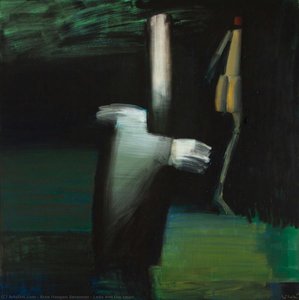
The Painter Francis Bacon

Discover Chronis Botsoglou's evocative Greek paintings & sculptures! Blending tradition & modernism, explore his bold colors & emotional depth. See works at Most-Famous-Paintings & Prado Museum.

Įsigykite aukštos skiriamosios raiškos, patobulintą skaitmeninį vaizdą, gerokai pranašesnį už internetinę peržiūrą.

Kiekvieną failą mūsų specialistai kruopščiai paruošia naudojant pažangias technologijas ir profesionalų rankinį retušavimą. Užtikriname, kad kiekvienas vaizdas pasižymėtų išskirtiniu aiškumu, tikslia spalvų atspalviu ir smulkiomis detalėmis.

Baigiamas failas el. paštu pristatomas per 72 valandas; jis optimizuotas nedelsiant naudojimui profesionalioje, redakcinėje ir spausdinimo aplinkoje. Tai ta pati kokybė, kuria pasitiki aukščiausios klasės dizaino studijos, leidyklos ir galerijos.

Skaitmeninis vaizdas

Atsisiųskite didelės raiškos failą asmeniniam naudojimui, spausdinimui ir kūrybiniams projektams. (Pirkti spaudinį Pirkti spaudinįPirkti rankomis tapytą paveikslą Pirkti rankomis tapytą paveikslą)

Visų sumos kaina

$ 24,90

Kiekvieną skaitinio vaizdo užsakymą papildė

Profesionalus skaitmeninis pristatymas, garantuotas

Pasirinkę Most-Famous-Paintings.com, jūs ne tik gaunate paveikslėlį – jūs gaunate profesionaliai patobudintą skaitmeninį kūrinį, sukurtą itin tikniai ir užtikrinantį pasitenkinimą. Štai viską, kas automatiškai pritékia jūsų užsakymui:

shipping_icon
Greitas siuntimas el. paštu

Jūsų aukštos raiškos skaitmeninis vaizdo failas bus išsiųstas jums el. paštu per 72 valaudas nuo užsakymo – paruoštas naudojimui be jokių papildomų veiksmų.

canvas_icon
Skaitmeninis failas su dirbtiniu intelektu

Jūsų meno kūrinys profesionaliai optimizuojamas naudojant pažangius dirbtinio intelekto įrankius ir rankinį redagavimą, užtikrinant maksimalią detalę, aiškumą ir spalvų tikslumą.

insurance_icon
Nemokamas visam laikui pakartotinis siuntimas

Atsitiktinai ištrytikote ar praradote savo failą? Nebijokite – bet kuriuo metu atsiųsime jį jums vėl nemokamai.

tax_icon
Jokio importo mokesčio – niekada

Mėgaukitės savo meno kūriniu akimirka – skaitiniai failai visada yra neapmokestinami, todėl nereikės mokėti muitinės, mokesčių ar pristatymo mokesčių.

color_icon
Spalvų tikslumo garantija

Naudodami profesionalią įrangą ir spalvų valdymo sistemas, užtikriname, kad jūsų skaitmeninis vaizdas kuo tiksliau atspindėtų originalias spalvas.

return_icon
60 dienų pasitenkinimo garantija

Jei nebuvate patenkinti savo skaitinio vaizdo, per 60 dienų jį pertaisysime arba grąkinsime 100% sumą – be jokių klausimų.

guarantee_icon
100% pinigų grąžinimo garantija

Nepat 만족inti? Gaukite visą sumokėtą sumą per 60 dienų nuo skaitmeninio failo gavimo – be jokių papildomų klausimų.

discount_icon
Nuolaidos dideliems užsakymams

Pirkti 3 nuotraukas – pasiūla 10% - Pirkti 5 – pasiūla 15% - Pirkti 10 ir daugiau – pasiūla 20%. Puikiai tinka kūrybiniams projektams, galerijoms bei agentūroms.


Autoriaus biografija

Robert Delaunay: A Pioneer of Color and Rhythm

Robert Delaunay, born Robert-Victor-Felix Delaunay in Paris on April 12th, 1885, was a pivotal figure in the early development of modern art. His life, marked by both artistic innovation and personal transformation alongside his wife Sonia Delaunay, ultimately shaped the trajectory of Orphism and significantly influenced movements like Cubism and Abstract Art. From humble beginnings as an apprentice to a theatrical designer, Delaunay’s journey was one of relentless experimentation with color, light, and form—a pursuit that redefined the possibilities of painting itself. His career spanned several decades, culminating in a legacy of vibrant abstraction and a profound impact on generations of artists.

Early Influences and the Rise of Neo-Impressionism

Delaunay’s early artistic development was deeply rooted in the principles of Neo-Impressionism. Following his apprenticeship, he began to paint, initially exploring decorative arts before gravitating towards a more expressive style. Inspired by figures like Paul Signac and Georges Seurat, Delaunay embraced the Neo-Impressionist technique of dividing colors into small strokes of pure hues, believing that this method would create a shimmering effect when viewed from a distance. This approach, however, proved only a stepping stone for his later explorations. He moved beyond mere replication of natural appearances, seeking to capture the essence of light and color itself—a core tenet of his evolving artistic philosophy. His early works, such as “Saint-Séverin” (1906-7), demonstrate this shift, showcasing an increasing interest in capturing atmospheric effects through carefully orchestrated color combinations.

The Birth of Orphism: Color and Rhythm

A turning point arrived in 1912 when Delaunay, along with Sonia and other artists including František Kupka and Chaïm Soutine, began to develop what would become known as Orphism. This movement, named after the Greek word for “rainbow,” was characterized by an intense focus on color—not as a representation of reality, but as an independent entity capable of evoking emotion and creating visual rhythms. Delaunay’s paintings from this period, such as "Disc" (1912) and "Circular Forms" (1912), exemplify this radical departure. He abandoned traditional perspective and form, instead employing geometric shapes—circles, squares, and lines—arranged in dynamic compositions that pulsed with color and energy. Influenced by theories of light and color developed by scientists like Michel Eugène Chevreul, Delaunay believed that colors could be combined to create a sense of movement and vibration. This exploration was further fueled by his interest in the work of Paul Klee and other artists experimenting with abstraction.

Collaboration with Sonia Delaunay and the Expansion of Artistic Practice

The partnership with Sonia Delaunay proved crucial to Robert’s artistic development, and their collaboration extended beyond painting. Sonia, a talented textile designer, began creating vibrant fabrics incorporating geometric patterns inspired by her husband's paintings. This led to a fascinating exchange—Robert translating his visual rhythms onto fabric, while Sonia applied them to textiles, effectively expanding the reach of Orphism into new mediums. Furthermore, they established the “Atelier du Rectangle,” a collaborative studio where they produced furniture, wallpaper, and other decorative objects, solidifying their commitment to exploring the expressive potential of geometric abstraction. This period also saw Robert Delaunay experimenting with relief painting, culminating in his monumental panels for the Aeronautics pavilion at the 1937 Paris International Exhibition—large-scale works that showcased his mastery of color and composition.

Later Years and Abstract Legacy

Following World War I, Delaunay’s style evolved further, moving towards a more purely abstract approach. He continued to work with vibrant colors and geometric forms, but increasingly focused on creating dynamic compositions that emphasized rhythm and movement. Despite facing challenges during the Nazi occupation of France, he persevered in his artistic practice, producing significant works until his death in Montpellier on October 25th, 1941. Robert Delaunay’s legacy extends far beyond his own paintings. His pioneering work with color, his exploration of abstraction, and his influence on subsequent generations of artists—including Stanton Macdonald-Wright, Morgan Russell, and Paul Klee—cemented his place as a foundational figure in the development of modern art. His emphasis on color as an independent expressive force continues to resonate within abstract painting today, reminding us of the transformative power of visual experimentation.
chronis botsoglou

chronis botsoglou

1941 - 2022 , Greece

Trumpai apie šį kūrėją

  • Artistic Movement Or Style:
    • Divisionism
    • Cubism
    • Orphism
    • Abstract art
  • Artists Or Movements Influenced By This Artist:
    • Stanton-Wright
    • Morgan Russell
    • Klee
    • Marc
    • Apollinaire
  • Artists Who Influenced This Artist:
    • Neoimpressionism
    • Cézanne
  • Date Of Birth: April 12, 1885
  • Date Of Death: October 25, 1941
  • Full Name: Robert Delaunay
  • Nationality: French
  • Notable Artworks:
    • Endless Rhythm
    • Cubism
    • Orphic Cubism
    • Simultanism
  • Place Of Birth: Paris, France