x


 Pirkti atspaudą Pirkti skaitmeninį paveikslą
 Pasidalinti
 Išsamiau
 Pridėti į mėgstamiausius
 Atsisiųsti
 Panašūs eksponatai
 Rentgeno nuotrauka
 Automatinė diorama
 Temperos ant medžio panelėsProto-Renaissance
 1287Vėliavas Viduramžiai
 448.0 x 390.0 cm
 Museo dell'Opera di Santa Croce
Rankiniu būdu tapytas aliejus ant droblio jūsų pageidaujamame dydį ir rėmuose – mūsų menininkų darbas pagal užsakymą.





























Pasirinkite iš mūsų nustatytų dydžių, atitinkančių originalaus meno kūrinio proporcijas.

Galite įvesti savo matmenis, kad jie atitiktų konkretų rėmą ar erdvę. Jei pasirinktas dydis neatitinka originalaus paveikslėlio proporcijų, mes arba apkropsime meno kūrinį, arba papildysime tapybą rankomis dažytい elementais. Prieš pradėdami gamybą, jūsų patvirtinimui atsiųsime skaitmeninį maketą.
Atkreipkite dėmesį, kad ekrane rodomas vaizdas neatspindi tikrojo apkarpymo ar papildymo. Tik maketas tiksliai parodys galutinę kompoziciją.
Nors galima rinktis ir individualius dydžius, rekomenduojame pasirinkti matmenis iš nustatytos sąrašo, kad būtų išlaikytos originalios proporcijos.
Pristatymas visame pasaulyje () per 3–4 savaites, o ne įprastai – per 5 savaites. (18 liepa). Kokybė lieka nepakeičiama.


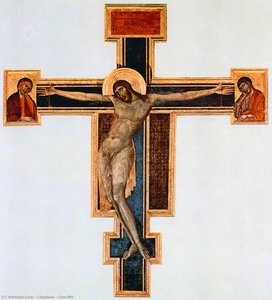
Kristus kryžius
Reprodukcijos matmenys
Giovanni Cimabue’s *Crucifix*, housed in the Basilica di Santa Croce, Florence, stands as a monumental testament to the burgeoning artistic spirit of Tuscany during the late thirteenth century. More than just an iconographic depiction of Christ's suffering—a cornerstone of Christian art—it represents a decisive break from Byzantine conventions and marks the genesis of what would become known as Proto-Renaissance painting. Its enduring influence can be traced through generations of artists who sought to emulate its masterful blend of spiritual solemnity and nascent realism.
The painting’s genesis lies in the fervent piety of the Franciscan Order who commissioned it. Saint Francis of Assisi, a charismatic reformer whose ascetic lifestyle profoundly impacted artistic sensibilities, championed poverty and humility—values that resonated deeply within the visual arts of his era. Cimabue's decision to abandon his family fortune for a life devoted to preaching signaled a radical departure from societal norms and foreshadowed the humanist ideals that would characterize the Renaissance.
Style & Technique: Cimabue’s stylistic approach distinguishes itself dramatically from Byzantine art, prioritizing naturalism over stylized representation. Unlike the flattened, symbolic imagery prevalent in Byzantium—characterized by rigid geometric forms and luminous gold leaf—Cimabue employed a more sophisticated technique utilizing *chiaroscuro*, skillfully modulating light and shadow to imbue his figures with palpable volume and depth. The use of tempera paint on gesso panels allowed for nuanced tonal gradations, capturing the textures of flesh and drapery with unprecedented accuracy.
Composition & Symbolism: The Crucifix’s central composition adheres to a cruciform layout—a tradition rooted in Byzantine iconography—yet Cimabue subtly infused it with humanist elements. Christ is depicted in repose, his body rendered with anatomical precision, reflecting the emerging fascination with human anatomy that would soon dominate Renaissance art. Flanking him are Mary Magdalene and Saint John the Evangelist, their expressions conveying profound sorrow and devotion—a poignant reminder of humanity’s vulnerability before divine judgment.
Historical Context: Cimabue's work emerged during a pivotal moment in European artistic history—the transition from Byzantine tradition to Proto-Renaissance innovation. He stands as a bridge between the spiritual grandeur of Byzantium and the burgeoning humanist spirit that would propel the Renaissance forward. His influence extended far beyond Santa Croce, shaping the artistic vision of Giotto and inspiring subsequent generations of painters who sought to elevate art’s expressive power.
Concluding Remarks: Cimabue's *Crucifix* remains an unparalleled masterpiece—a beacon of artistic ingenuity that embodies the transformative energies of its time. Its enduring legacy testifies to the profound capacity of art to convey spiritual truth and inspire contemplation, cementing its place as a cornerstone of Western artistic heritage.

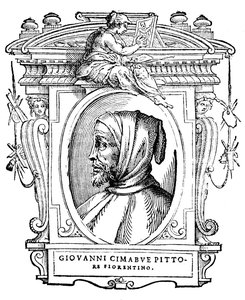
1240 - 1302 , إيطاليا

Atraskite 25 įspūdingiausius Metropoliteno meno muziejaus kūrinius! Claude Monet, van Gogh ir kiti meistrai – paveikslų istorijos, spalvų paletės bei interjero dekoravimo idėjos. Meno reprodukcijos aukščiausia kokybe Most-Famous-Paintings.com
Atraskite 25 Nacionalinės galerijos meno perlus! Išsami istorija apie Monet, Picasso ir kitų žymiausių dailininkų kūrinius. Įkvėpimo interjerui ir aukštos kokybės meno reprodukcijos – Most-Famous-Paintings.com
Atraskite 25 įspūdingiausius Džeimso Ebboto Maknilo Vislerio kūrinius! Tonalizmo meistras, noktiurnai ir portretai – meno istorijos šedevrai jūsų interjerui. Pirkti aukštos kokybės reprodukcijas Most-Famous-Paintings.com
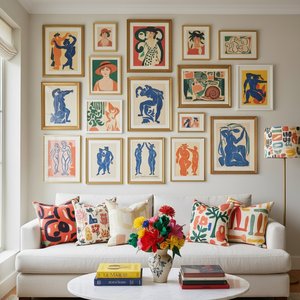
Atraskite 25 įspūdingiausius Henri Matisse šedevrus! Sužinokite apie Fauvizmą, spalvų magiją ir prancūzų dailininko kūrybos istorijas. Meno reprodukcijos jūsų interjerui – Most-Famous-Paintings.com

Atraskite 25 įspūdingiausius Dante Gabriel Rossetti šedevrus! Išsami analizė, meno istorija ir įkvėpimas interjerui. Reprodukcijos aliejumi – prerafaelitų klasika jūsų namams. Explore the full collection online!


Sekite naujausias meno naujienas, išskirtinius pasiūlymus ir dekoravimo idėjas.
Pasakokite mums apie savo projektą, o mūsų meno ekspertai parengs jums 3 asmeniškus meno pasiūlymus.
Leiskite mums parinkti 3 variantus būtent jums – nemokamai!


 Dalintis

 Skaityti daugiau







 Stiklo variantas prieinamas tik pasirinkus dydį iki 110 cm