x

 Acrylic On CanvasWallArtDocumentary Photography
 1969
1969 73.0 x 110.0 cm
 Instituto Moreira Salles
Rankiniu būdu tapytas aliejus ant droblio jūsų pageidaujamame dydį ir rėmuose – mūsų menininkų darbas pagal užsakymą. ( Pirkti spaudinį Pirkti vaizdą)





























Pasirinkite iš mūsų nustatytų dydžių, atitinkančių originalaus meno kūrinio proporcijas.

Galite įvesti savo matmenis, kad jie atitiktų konkretų rėmą ar erdvę. Jei pasirinktas dydis neatitinka originalaus paveikslėlio proporcijų, mes arba apkropsime meno kūrinį, arba papildysime tapybą rankomis dažytい elementais. Prieš pradėdami gamybą, jūsų patvirtinimui atsiųsime skaitmeninį maketą.
Atkreipkite dėmesį, kad ekrane rodomas vaizdas neatspindi tikrojo apkarpymo ar papildymo. Tik maketas tiksliai parodys galutinę kompoziciją.
Nors galima rinktis ir individualius dydžius, rekomenduojame pasirinkti matmenis iš nustatytos sąrašo, kad būtų išlaikytos originalios proporcijos.
Pristatymas visame pasaulyje () per 3–4 savaites, o ne įprastai – per 5 savaites. (15 rugpjūtis). Kokybė lieka nepakeičiama.


The devil
Reprodukcijos matmenys
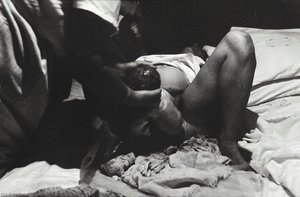
Claudia Andujar's photograph, "The Devil," transcends mere documentation; it embodies a profound meditation on human experience amidst hardship. Captured in 1969 during her journey from São Paulo to Salvador—a pilgrimage undertaken by countless migrants seeking refuge and opportunity—the image speaks volumes about the anxieties and aspirations of individuals displaced by circumstance.
Andujar's masterful use of photographic technique contributes significantly to the photograph’s emotive power. Employing a silver gelatin print on photographic paper—a hallmark of documentary photography—she prioritizes authenticity and immediacy. The grainy texture of the print lends itself beautifully to conveying the raw materiality of the scene, mirroring the physical realities endured by the subjects.
The title itself—“The Devil”—is laden with symbolic significance. It serves as a poignant metaphor for misfortune, adversity, and the burdens carried by those embarking on journeys fraught with difficulty. Yet, it’s precisely within this depiction of darkness that Andujar illuminates an underlying current of hope—a quiet determination to reclaim dignity and connection amidst displacement.
“The luggage they brought with them to São Paulo was filled with hope. Some came for work, others were looking for relatives who’d been swallowed up by the big city, others dreamed of recovering their lost health.”Ultimately, “The Devil” succeeds in capturing a moment of profound human vulnerability—a testament to Andujar's ability to distill complex emotions into a single frame. The photograph’s enduring appeal lies in its capacity to evoke empathy and contemplation, prompting viewers to consider the narratives embedded within seemingly simple images. It remains an unforgettable portrait of resilience and the unwavering pursuit of a better life.


1931 - , Šveicarija

Explore the profound history of documentary photography. From early daguerreotypes to social reform movements, discover how the lens captures truth, preserves vanishing cultures, and shapes our global visual narrative through an expert art-historical lens.


Sekite naujausias meno naujienas, išskirtinius pasiūlymus ir dekoravimo idėjas.
Pasakokite mums apie savo projektą, o mūsų meno ekspertai parengs jums 3 asmeniškus meno pasiūlymus.
Leiskite mums parinkti 3 variantus būtent jums – nemokamai!


 Peržiūrėti realybėje
 Pasidalinti
 Dalintis
 Išsamiau

 Atsisiųsti
 Panašūs eksponatai
 Rentgeno nuotrauka
 Automatinė diorama
 Skaityti daugiau







 Stiklo variantas prieinamas tik pasirinkus dydį iki 110 cm