


x

 Oil On CanvasWallArtModernism
 1937Modern
 59.0 x 50.0 cm
 The Hepworth Wakefield
Muziejų lygio „giclée“ arba drobos spausdinimas: greita gamyba ir lankstios apdailos parinktys. ( Pirkti rankomis tapytą paveikslą Pirkti vaizdą)





























Pasirinkite iš mūsų nustatytų dydžių, atitinkančių originalaus meno kūrinio proporcijas.

Galite nurodyti savo matmenis, kad vaizdas atitiktų konkretų rėmą ar erdvę. Jei pasirinktas dydis nesutaps su originalaus paveikslėlio proporcijomis, mes arba apkirpsime kūrinį, arba išplėsime vaizdą naudojant veideliu atspindėtą arba vientisą šoną. Skaitmeninis maketas bus išsiųstas jums patvirtinti prieš pradedant gamybą.
Atkreipkite dėmesį, kad ekrane matomas vaizdinys neatspindi tikrojo apkirpimo ar išplėtimo. Tik maketas tiksliai parodytų galutinę kompoziciją.
Nors galima rinktis ir individualius dydžius, rekomenduojame pasirinkti vieną iš išanksti nustatytų matmenų, kad būtų išlaikytos originalios proporcijos.
Pristatymas visame pasaulyje () per 2 weeks, o ne įprastas 4/5 savaičių laikotarpis. (13 rugpjūtis)


Double Self Portrait (recto)
Reprodukcijos matmenys
In the quiet, contemplative depths of Double Self Portrait (recto), we encounter more than just a likeness; we enter the private sanctuary of one of the twentieth century's most profound British visionaries. Painted in 1937, this evocative oil on canvas serves as a window into the psyche of David Bomberg, a man whose artistic journey navigated the turbulent waters of Cubism, Futurism, and a deeply personal expressive realism. The portrait captures a moment of profound stillness, where the artist gazes downward, perhaps lost in the very creative currents that defined his life's work. There is an undeniable intimacy in this composition, as if the viewer has been granted silent permission to witness a private moment of reflection.
The subject, rendered with a masterful command of form, presents a man characterized by a rugged, thoughtful dignity. Clad in a simple blue shirt and crowned by a dark, somber hat, the figure’s bearded countenance is the focal point of an emotional narrative. The downward tilt of the head suggests a heavy introspection, a weight of thought that resonates through the textured layers of oil paint. Bomberg utilizes his brush to sculpt light and shadow across the face, creating a sense of volume that feels both physically present and spiritually ethereal. This technique does not merely replicate a surface appearance; it breathes life into the skin and fabric, inviting the observer to feel the gravity of the artist's internal monologue.
Technically, the work is a testament to the enduring power of the oil medium. The brushwork, while controlled, possesses an organic vitality that avoids the sterility of mere imitation. One can sense the deliberate application of pigment, building up layers that catch the light in subtle, shifting ways. This tactile quality makes the piece particularly captivating for collectors and interior designers alike; it is a work that demands attention not through loud colors, but through its sophisticated interplay of tone and texture. The palette, dominated by deep blues, earthy shadows, and the stark contrast of the black hat, creates a moody, atmospheric environment that can anchor a room with its quiet strength and historical gravitas.
For those seeking to bring a piece of art history into a contemporary space, Double Self Portrait (recto) offers an unparalleled opportunity. It is a work that transcends mere decoration, acting instead as a conversation piece that speaks of resilience, introspection, and the enduring human spirit. Whether placed in a curated gallery setting or as a focal point in a sophisticated study, this reproduction carries with it the legacy of the 'Whitechapel Boys' and the avant-garde movements of the early 1900s. It is an invitation to pause, to look inward, and to find beauty in the profound simplicity of a single, captured moment of thought.

Gimęs lietuviškų kilmių, lenkų žydų imigrantų Abrahamo ir Rebekos Bomberg šeidoje, jis pirmiausia studijavo City and Guilds techninėje menų mokykloje, o vėliau Birminghame mokėsi litografui.
Westminster meno mokykloje (1908–1910 m.) jis studijavo su Walteriu Sickertu, kurį paveikė šio meistro dėmesys formai ir miesto gyvenimo ditempui. Didelę įtaką padarė ir susipažinimas su Pauliu Cézanne'u per 1910 m. Rogerio Fry eksponavimą „Manet ir postimpresionistai“.로 Įgavo patirties Slade meno mokykloje (1911 m.), kur pelnė Tonks apdovanojimą už savo piešinį bendrakimui studentui Isaacui Rosenbergui.
Pirmas karo patirtys pasaulinio karo I metu giliai pakeitė jo meninę viziją, paskatindami atsisakyti abstrakcijos.
20-metmetį Bombergas pradėjo taikyti figūratyvinį stilių, susitelkdamas į portretus ir peizažus, tiesiog iš gamtos išgriebintus. Jis sukūrė vis stiprisingą ekspresionistinę techniką, pasižymintį tekstūrinį impasto sluoksnį ir emocinį intensyvumą.
Ilgos kelionės per Artusias Vedas (ypač Palestiną) ir Europą reikšmingai paveikė jo vėlesnę kūrybą. Jo vaizdiniai Jeruzalės yra itin išskirtiniai.

1890 - 1957 , Jungtinė Karalystė

Immerse yourself in the captivating world of slate blue! Explore 10 iconic paintings by Monet, Van Gogh & Renoir. Discover their stories, techniques & find museum-quality art reproductions for your home at .

Explore 10 iconic paintings dominated by black tones, from Rembrandt’s chiaroscuro to Goya's dark expressions. Discover the stories behind these masterpieces & find museum-quality art reproductions for your home at .

Explore the rich history of blue in art! Discover its symbolism, from ancient pigments to modern masterpieces by Kandinsky & Seurat. Uncover the psychological impact and cultural meanings behind this captivating hue.
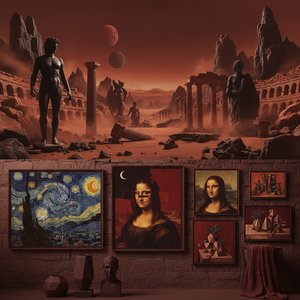
Delve into the power of 'Mars Black' with 10 iconic paintings by masters like Rembrandt & Caravaggio. Explore dramatic chiaroscuro, gothic art, and timeless beauty. Find museum-quality reproductions & elevate your home decor on .
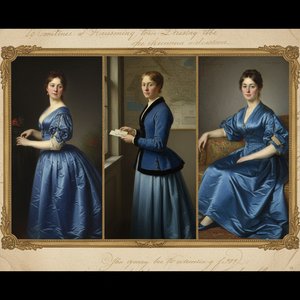
Explore the rich history of the blue dress in Western art! Discover its symbolism, from Renaissance masterpieces to modern interpretations by artists like Martin & Schiele. Uncover cultural meanings and artistic techniques.


Sekite naujausias meno naujienas, išskirtinius pasiūlymus ir dekoravimo idėjas.
Pasakokite mums apie savo projektą, o mūsų meno ekspertai parengs jums 3 asmeniškus meno pasiūlymus.
Leiskite mums parinkti 3 variantus būtent jums – nemokamai!


 Peržiūrėti realybėje
 Pasidalinti
 Dalintis
 Išsamiau

 Atsisiųsti
 Panašūs eksponatai
 Rentgeno nuotrauka
 Automatinė diorama
 Skaityti daugiau







 Stiklo variantas prieinamas tik pasirinkus dydį iki 110 cm


