x

 OilWallArtPost-Impressionism
 1946Modern
 61.0 x 76.0 cm
 Laing Art Gallery
Rankiniu būdu tapytas aliejus ant droblio jūsų pageidaujamame dydį ir rėmuose – mūsų menininkų darbas pagal užsakymą. ( Pirkti spaudinį Pirkti vaizdą)





























Pasirinkite iš mūsų nustatytų dydžių, atitinkančių originalaus meno kūrinio proporcijas.

Galite įvesti savo matmenis, kad jie atitiktų konkretų rėmą ar erdvę. Jei pasirinktas dydis neatitinka originalaus paveikslėlio proporcijų, mes arba apkropsime meno kūrinį, arba papildysime tapybą rankomis dažytい elementais. Prieš pradėdami gamybą, jūsų patvirtinimui atsiųsime skaitmeninį maketą.
Atkreipkite dėmesį, kad ekrane rodomas vaizdas neatspindi tikrojo apkarpymo ar papildymo. Tik maketas tiksliai parodys galutinę kompoziciją.
Nors galima rinktis ir individualius dydžius, rekomenduojame pasirinkti matmenis iš nustatytos sąrašo, kad būtų išlaikytos originalios proporcijos.
Pristatymas visame pasaulyje () per 3–4 savaites, o ne įprastai – per 5 savaites. (19 rugpjūtis). Kokybė lieka nepakeičiama.


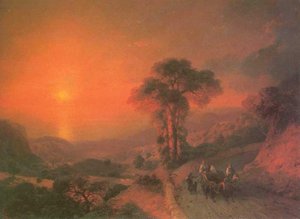
Sunset, the Bay, North Devon
Reprodukcijos matmenys
In the quietude of 1946, David Bomberg captured a moment of profound serenity in Sunset, the Bay, North Devon. This evocative masterpiece serves as a window into a world where the elements of earth, water, and sky converge in a harmonious dance of color. The painting presents a breathtaking vista of the Devon coastline, where the vast expanse of the Atlantic meets a sky heavy with dramatic, swirling clouds. As the sun begins its descent, it casts a warm, golden glow across the horizon, illuminating the crests of gentle waves and turning the heavens into a canvas of vibrant oranges, deep purals, and soft ambers. The composition is masterfully balanced, leading the eye from the textured, grassy foreground—a grounded, tactile presence—out toward the infinite depth of the ocean, where small, distant boats float like silent witnesses to the day's end.
The technique employed in this work reflects Bomberg’s unique ability to blend structural form with emotional resonance. While his earlier years were marked by the rigorous experimentation of Cubism and Futurism, this mid-century piece showcases a more lyrical approach to landscape. The brushwork is purposeful and rich, creating a sense of movement within the clouds and a rhythmic pulse in the water. There is a palpable weight to the colors; they are not merely applied to the surface but seem to emanate from within the scene itself. For the discerning collector or interior designer, this painting offers a sophisticated interplay of light and shadow that can anchor a room, providing a focal point that is both intellectually stimulating and visually soothing.
To understand Sunset, the Bay, North Devon, one must consider the hand of David Bomberg, a pivotal figure in the British avant-garde. Having emerged from the influential 'Whitechapel Boys' circle and studied under the legendary Walter Sickert, Bomberg possessed a deep understanding of how to translate the raw energy of nature into structured art. By 1946, the world was emerging from the shadows of global conflict, and there is an undeniable sense of peace and reconstruction present in this coastal scene. The painting acts as a sanctuary, inviting the viewer to escape the complexities of human history and reconnect with the timeless, rhythmic cycles of the natural world.
Symbolically, the sunset represents more than just a temporal marker; it is a meditation on transition and the beauty found in endings. The contrast between the solid, verdant land and the fluid, ever-changing sea speaks to the duality of permanence and flux. For those looking to adorn a living space or a professional gallery, this reproduction offers an unparalleled emotional impact. It brings with it an atmosphere of tranquility and warmth, making it an ideal selection for creating an environment of reflection and grace. Owning such a piece is not merely about possessing a landscape; it is about inviting the enduring spirit of the English coast into one's personal sanctuary.

Gimęs lietuviškų kilmių, lenkų žydų imigrantų Abrahamo ir Rebekos Bomberg šeidoje, jis pirmiausia studijavo City and Guilds techninėje menų mokykloje, o vėliau Birminghame mokėsi litografui.
Westminster meno mokykloje (1908–1910 m.) jis studijavo su Walteriu Sickertu, kurį paveikė šio meistro dėmesys formai ir miesto gyvenimo ditempui. Didelę įtaką padarė ir susipažinimas su Pauliu Cézanne'u per 1910 m. Rogerio Fry eksponavimą „Manet ir postimpresionistai“.로 Įgavo patirties Slade meno mokykloje (1911 m.), kur pelnė Tonks apdovanojimą už savo piešinį bendrakimui studentui Isaacui Rosenbergui.
Pirmas karo patirtys pasaulinio karo I metu giliai pakeitė jo meninę viziją, paskatindami atsisakyti abstrakcijos.
20-metmetį Bombergas pradėjo taikyti figūratyvinį stilių, susitelkdamas į portretus ir peizažus, tiesiog iš gamtos išgriebintus. Jis sukūrė vis stiprisingą ekspresionistinę techniką, pasižymintį tekstūrinį impasto sluoksnį ir emocinį intensyvumą.
Ilgos kelionės per Artusias Vedas (ypač Palestiną) ir Europą reikšmingai paveikė jo vėlesnę kūrybą. Jo vaizdiniai Jeruzalės yra itin išskirtiniai.

1890 - 1957 , Jungtinė Karalystė

Journey through the vibrant world of Marianne North’s botanical paintings! Explore 25 iconic artworks from this Victorian artist, celebrating exotic flora & travel. Find museum-quality reproductions and curated decor ideas at Most-Famous-Paintings.com.

Explore the captivating world of seascape art! Discover its history, key artists & movements – from Dutch Masters to Impressionism. Expert insights for collectors and enthusiasts at Most-Famous-Paintings.

Find peace with 10 iconic artworks embodying tranquility! Explore Monet's water lilies, Van Gogh’s starry night & more. Discover the stories behind these serene masterpieces and bring calming art into your home with museum-quality reproductions from Most-Famous-Paintings.com.

Explore the captivating history of sunset motifs in Western art! Discover iconic paintings by Monet, Van Gogh & Kuindzhi. Learn about Romanticism, Impressionism & collecting these timeless masterpieces. Expert insights at Most-Famous-Paintings.

Atraskite 25 įspūdingiausius Claude Monet šedevrus! Sužinokite apie impresionizmą, vandens lelijų paveikslus ir spalvų magiją. Meno reprodukcijos aukščiausia kokybe – Most-Famous-Paintings.com. Išsamesnės informacijos rasite internetu.


Sekite naujausias meno naujienas, išskirtinius pasiūlymus ir dekoravimo idėjas.
Pasakokite mums apie savo projektą, o mūsų meno ekspertai parengs jums 3 asmeniškus meno pasiūlymus.
Leiskite mums parinkti 3 variantus būtent jums – nemokamai!


 Peržiūrėti realybėje
 Pasidalinti
 Dalintis
 Išsamiau

 Atsisiųsti
 Panašūs eksponatai
 Rentgeno nuotrauka
 Automatinė diorama
 Skaityti daugiau







 Stiklo variantas prieinamas tik pasirinkus dydį iki 110 cm