


x

Rankiniu būdu tapytas aliejus ant droblio jūsų pageidaujamame dydį ir rėmuose – mūsų menininkų darbas pagal užsakymą. ( Pirkti spaudinį Pirkti vaizdą)
Pasirinkite iš mūsų nustatytų dydžių, atitinkančių originalaus meno kūrinio proporcijas.

Galite įvesti savo matmenis, kad jie atitiktų konkretų rėmą ar erdvę. Jei pasirinktas dydis neatitinka originalaus paveikslėlio proporcijų, mes arba apkropsime meno kūrinį, arba papildysime tapybą rankomis dažytい elementais. Prieš pradėdami gamybą, jūsų patvirtinimui atsiųsime skaitmeninį maketą.
Atkreipkite dėmesį, kad ekrane rodomas vaizdas neatspindi tikrojo apkarpymo ar papildymo. Tik maketas tiksliai parodys galutinę kompoziciją.
Nors galima rinktis ir individualius dydžius, rekomenduojame pasirinkti matmenis iš nustatytos sąrašo, kad būtų išlaikytos originalios proporcijos.
Pristatymas visame pasaulyje () per 3–4 savaites, o ne įprastai – per 5 savaites. (22 rugpjūtis). Kokybė lieka nepakeičiama.


Prato com um
Reprodukcijos matmenys
To gaze upon this porcelain plate is to step directly into the refined drawing rooms of mid-nineteenth-century Paris. It captures a moment of exquisite, almost pastoral tranquility, centered around a beautifully rendered bird perched gracefully upon a slender branch. The composition itself speaks volumes about the era's taste for naturalism blended with meticulous ornamentation. The artist, Édouard Honoré Ave, masterfully employs his skill to elevate what might otherwise be a simple still life into a miniature work of art. Observe the delicate spread of the bird’s wings; every feather seems individually considered, lending an air of lifelike immediacy to the scene.
Édouard Honoré Ave (1818-1890) was a true master of floral porcelain, an artisan whose hand breathed life into ceramic surfaces. While his biography hints at influences from grand historical narratives and religious iconography—themes that defined much of his output—this piece showcases a slightly more intimate, botanical focus. His technique is characterized by an almost obsessive attention to detail; the way the branch curves, the subtle blush on the apples nestled in the background, and the soft hue of the accompanying pink flower all speak to a highly trained hand working with luxurious materials. This level of craftsmanship suggests not merely decoration, but a profound dedication to the decorative arts as a high form of painting.
The elements scattered across this plate are rich with potential symbolism. The bird itself, often representing freedom or the soul in art, is framed by the enduring cycle of nature—the apples suggesting bounty and knowledge, while the flower speaks to ephemeral beauty and renewal. These natural motifs were immensely popular during the Victorian and Romantic periods, allowing owners to display not just wealth, but a cultivated appreciation for the natural world's poetry. The careful placement of these objects transforms the plate from mere tableware into a contemplative object, inviting quiet reflection upon life’s fleeting moments.
For the contemporary collector or interior designer, this reproduction offers an unparalleled opportunity to infuse a space with historical depth and delicate romance. Whether displayed as a standalone decorative piece on a mantelpiece or incorporated into a curated collection, its soft palette and intricate subject matter possess an inherent elegance. It serves as a perfect counterpoint to stark modern lines, adding a necessary whisper of Old World charm. Owning such a reproduction allows one to connect with the sophisticated aesthetic sensibilities of 19th-century French artistry without sacrificing the beauty or quality of the original vision.


1818 - 1890 , Prancūzija

Journey through 19th century art with Most-Famous-Paintings! Explore 10 iconic paintings – from Monet & Renoir to Courbet – and discover the stories behind Romanticism, Realism & Impressionism. Find museum-quality reproductions for your home decor. Explore the full collection online!

Explore the rich history of birds in painting! Discover symbolism, artistic movements & master artists like Audubon. High-quality reproductions available at Most-Famous-Paintings.
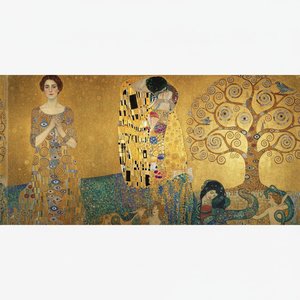
Atraskite 25 įspūdingiausius Gustavo Klimto kūrinius! Išsami analizė, istorijos ir simbolizmas. Įkvėpkite interjerui aukso spalvos paveikslus iš Vienos secesijos laikų. Kokybiškos reprodukcijos – Most-Famous-Paintings.com

Journey through the vibrant world of Marianne North’s botanical paintings! Explore 25 iconic artworks from this Victorian artist, celebrating exotic flora & travel. Find museum-quality reproductions and curated decor ideas at Most-Famous-Paintings.com.

Explore the rich history of decorative arts with Most-Famous-Paintings.com. Discover key movements, influential artists, and expert guidance for building a discerning collection. Learn about ornamentation, functionality & cultural significance.


Sekite naujausias meno naujienas, išskirtinius pasiūlymus ir dekoravimo idėjas.
Pasakokite mums apie savo projektą, o mūsų meno ekspertai parengs jums 3 asmeniškus meno pasiūlymus.
Leiskite mums parinkti 3 variantus būtent jums – nemokamai!


 Pasidalinti
 Dalintis
 Išsamiau

 Atsisiųsti
 Panašūs eksponatai
 Automatinė diorama


 Skaityti daugiau




































 Stiklo variantas prieinamas tik pasirinkus dydį iki 110 cm


