x

 Acrylic On CanvasWallArtImpressionism
 1882
1882 57.0 x 36.0 cm
Rankiniu būdu tapytas aliejus ant droblio jūsų pageidaujamame dydį ir rėmuose – mūsų menininkų darbas pagal užsakymą. ( Pirkti spaudinį Pirkti vaizdą)





























Pasirinkite iš mūsų nustatytų dydžių, atitinkančių originalaus meno kūrinio proporcijas.

Galite įvesti savo matmenis, kad jie atitiktų konkretų rėmą ar erdvę. Jei pasirinktas dydis neatitinka originalaus paveikslėlio proporcijų, mes arba apkropsime meno kūrinį, arba papildysime tapybą rankomis dažytい elementais. Prieš pradėdami gamybą, jūsų patvirtinimui atsiųsime skaitmeninį maketą.
Atkreipkite dėmesį, kad ekrane rodomas vaizdas neatspindi tikrojo apkarpymo ar papildymo. Tik maketas tiksliai parodys galutinę kompoziciją.
Nors galima rinktis ir individualius dydžius, rekomenduojame pasirinkti matmenis iš nustatytos sąrašo, kad būtų išlaikytos originalios proporcijos.
Pristatymas visame pasaulyje () per 3–4 savaites, o ne įprastai – per 5 savaites. (15 rugpjūtis). Kokybė lieka nepakeičiama.


René Maizeroy
Reprodukcijos matmenys
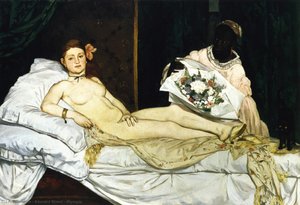
Édouard Manet’s “René Maizeroy,” completed in 1882, isn't merely a portrait; it’s a carefully constructed distillation of Impressionist sensibilities and a subtle commentary on the evolving social landscape of late Victorian Paris. Painted in pastel on canvas—a medium favored by Manet for its ability to capture fleeting light and atmosphere—the artwork presents a gentleman standing confidently on a city street, his posture conveying both composure and understated power.
Beyond its surface appearance, “René Maizeroy” is laden with symbolic significance. The diffused light bathing the scene contributes to an overall sense of immediacy and realism—a hallmark of Impressionist aesthetics. Manet’s deliberate positioning of Maizeroy within a bustling street environment underscores the artist's fascination with capturing the dynamism of modern Parisian life, mirroring the burgeoning industrial revolution.
"René Maizeroy" transcends the conventions of portraiture by conveying not just likeness but also mood and atmosphere. Manet’s subtle palette—dominated by muted browns and grays—creates a contemplative tone, inviting viewers to contemplate the complexities of human experience within the context of urban modernity. It's a piece that speaks to the fleeting beauty of everyday life—a sentiment deeply rooted in Impressionist philosophy.
This artwork exemplifies Manet's pioneering spirit and his unwavering commitment to portraying the world as he perceived it. Its enduring appeal lies in its masterful technique, evocative symbolism, and profound reflection on the human condition within the transformative era of Impressionism.


1832 - 1883 , Prancūzija

Delve into the transformative era of Post-Impressionism. From Seurat’s Pointillism to Cézanne’s structure, explore the history behind the masters. Most-Famous-Paintings.com provides museum-grade, hand-painted oil reproductions for the discerning art enthusiast and collector.

Explore the profound revolution of Post-Impressionism. Delve into the history, techniques, and emotional depth of masters like Van Gogh and Seurat. Discover how to transform your space with museum-quality, hand-painted oil reproductions of these iconic masterpieces.


Sekite naujausias meno naujienas, išskirtinius pasiūlymus ir dekoravimo idėjas.
Pasakokite mums apie savo projektą, o mūsų meno ekspertai parengs jums 3 asmeniškus meno pasiūlymus.
Leiskite mums parinkti 3 variantus būtent jums – nemokamai!


 Peržiūrėti realybėje
 Pasidalinti
 Dalintis
 Išsamiau

 Atsisiųsti
 Panašūs eksponatai
 Rentgeno nuotrauka
 Automatinė diorama
 Skaityti daugiau







 Stiklo variantas prieinamas tik pasirinkus dydį iki 110 cm