x

 Užsisakyti kopiją Pirkti skaitmeninį paveikslą
 Pasidalinti
 Išsamiau
 Pridėti į mėgstamiausius
 Atsisiųsti
 Panašūs eksponatai
 Rentgeno nuotrauka
 Automatinė diorama
Muziejų lygio „giclée“ arba drobos spausdinimas: greita gamyba ir lankstios apdailos parinktys.





























Pasirinkite iš mūsų nustatytų dydžių, atitinkančių originalaus meno kūrinio proporcijas.

Galite nurodyti savo matmenis, kad vaizdas atitiktų konkretų rėmą ar erdvę. Jei pasirinktas dydis nesutaps su originalaus paveikslėlio proporcijomis, mes arba apkirpsime kūrinį, arba išplėsime vaizdą naudojant veideliu atspindėtą arba vientisą šoną. Skaitmeninis maketas bus išsiųstas jums patvirtinti prieš pradedant gamybą.
Atkreipkite dėmesį, kad ekrane matomas vaizdinys neatspindi tikrojo apkirpimo ar išplėtimo. Tik maketas tiksliai parodytų galutinę kompoziciją.
Nors galima rinktis ir individualius dydžius, rekomenduojame pasirinkti vieną iš išanksti nustatytų matmenų, kad būtų išlaikytos originalios proporcijos.
Pristatymas visame pasaulyje () per 2 weeks, o ne įprastas 4/5 savaičių laikotarpis. (22 liepa)


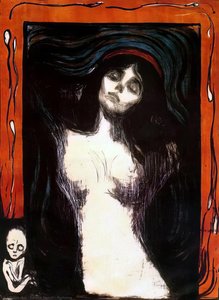
Anxiety
Reprodukcijos matmenys
Edvard Munch’s “Anxiety” stands as a haunting testament to the psychological landscape of late 19th-century Europe and a cornerstone of Expressionism. Created between 1893 and 1894, this monochrome oil painting transcends mere representation; it plunges viewers into the turbulent depths of human emotion—specifically, fear and despair—capturing a visceral experience that continues to resonate powerfully today.
Style and Technique Munch’s approach aligns perfectly with the tenets of Expressionism. Rejecting Impressionistic objectivity, he prioritized conveying inner feelings rather than external appearances. The painting utilizes thick impasto brushstrokes – bold, textured marks of paint – which contribute significantly to its dramatic impact. These strokes aren't merely decorative; they embody the artist’s agitated state of mind and visually communicate the overwhelming sensation of anxiety.
Historical Context “Anxiety” emerged during a period marked by intellectual ferment and societal anxieties surrounding scientific advancements, urbanization, and shifting moral values. Munch was deeply influenced by philosophers like Nietzsche and Kierkegaard, whose existential explorations mirrored his own preoccupation with mortality and the human condition. The painting reflects the broader cultural mood of uncertainty and apprehension prevalent in Norway at the time.
Symbolism Munch’s masterful use of symbolism elevates “Anxiety” beyond a simple depiction of emotion. The central figure—a solitary individual rendered in muted tones—stands on a bridge overlooking a fjord, mirroring the iconic image of “The Scream.” This repetition underscores the interconnectedness of psychological torment and artistic expression. The swirling lines dominating the composition symbolize the chaotic forces of fear and anxiety, engulfing the landscape and reflecting the inner turmoil of the protagonist.
Emotional Impact Viewing “Anxiety” evokes a profound sense of unease and vulnerability. Munch’s deliberate avoidance of color—confined to shades of grey—intensifies the painting's emotional power by stripping away any distractions from the core experience of dread. The figure’s contorted posture and anguished gaze convey an overwhelming feeling of helplessness, inviting contemplation on themes of isolation, suffering, and the inescapable confrontation with mortality. It is a piece that compels us to confront our own anxieties and grapple with the darker aspects of human existence.
Location & Further Exploration “Anxiety” resides within The Munch Museum in Oslo, Norway—a pilgrimage for anyone interested in delving deeper into Munch’s artistic legacy and the broader context of Expressionism.
You can find more information about Edvard Munch and his artwork on Most-Famous-Paintings.com. Interested in owning a stunning reproduction? Visit Most-Famous-Paintings.com.
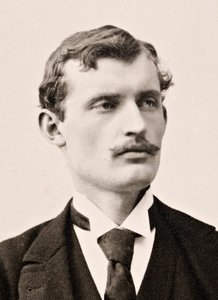
1863 - 1944 , Švedija
Atraskite ekspresionizmo šedevrus! 10 įtakingiausių meno kūrinių, atskleisiančių Muncho, Kirchnerio ir kitų meistrų emocijas. Išmokite apie tapybos stilius bei spalvų paletę. Aukščiausios kokybės dailės reprodukcijos jūsų namams – Most-Famous-Paintings.com.

Transform your living room with iconic art! Explore our guide to the Top 10 most famous paintings – from Van Gogh's Starry Night to Mona Lisa. Discover artist stories, techniques & find museum-quality reproductions for timeless decor. Explore the full collection on
Explore 10 Expressionist paintings that revolutionized art! Discover Munch, Kirchner & Kandinsky's iconic works. Find museum-quality reproductions and vibrant canvas prints to elevate your home decor on Most-Famous-Paintings.com.
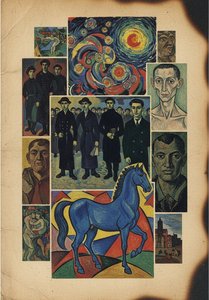
Explore 10 defining German Expressionism masterpieces – from Munch's 'The Scream' to Kandinsky’s abstracts. Discover the artists, stories & bold colors behind this powerful art movement. Find museum-quality reproductions at Most-Famous-Paintings.com.

Delve into the enchanting world of Symbolism with 10 iconic paintings by Klimt, Munch & Moreau. Explore hidden meanings, dreamlike imagery & rich color palettes. Find museum-quality art reproductions at Most-Famous-Paintings.com and transform your home gallery. Discover all masterpieces on Most-Famous-Paintings.com


Sekite naujausias meno naujienas, išskirtinius pasiūlymus ir dekoravimo idėjas.
Pasakokite mums apie savo projektą, o mūsų meno ekspertai parengs jums 3 asmeniškus meno pasiūlymus.
Leiskite mums parinkti 3 variantus būtent jums – nemokamai!


 Dalintis


 Skaityti daugiau







 Stiklo variantas prieinamas tik pasirinkus dydį iki 110 cm